

Understanding the economics behind blue spirulina manufacturing and pricing.
The growing demand for natural superfoods has brought significant attention to blue spirulina, a premium extract derived from spirulina algae. Known for its vibrant color and powerful nutritional profile, blue spirulina has become a valuable ingredient across food, beverage, and nutraceutical industries. However, its pricing is influenced by several complex factors, from cultivation techniques to processing methods. Understanding these cost elements is essential for businesses and consumers alike who are exploring this niche market.
Blue Spirulina manufacturers in India play a crucial role in balancing quality and affordability while meeting rising global demand. Unlike regular spirulina, blue spirulina requires advanced extraction processes, controlled growing conditions, and strict quality standards, all of which contribute to higher production costs. Additionally, factors such as raw material quality, technology investment, labor, and compliance with regulatory standards further impact the final price.
Raw Material & Cultivation Costs
The foundation of high-quality blue spirulina lies in its raw materials and cultivation methods, which directly influence production costs. From selecting premium spirulina strains to maintaining controlled growth environments, every step requires precision, investment, and expertise. Nutrient-rich water, temperature regulation, and proper harvesting techniques are essential to ensure maximum yield and potency, making cultivation a significant portion of overall expenses. Blue Spirulina manufacturers in India invest heavily in sourcing quality algae and implementing advanced farming practices to maintain consistent standards. These efforts not only affect production costs but also determine the purity and color intensity of the final product. By understanding how raw material selection and cultivation impact pricing, Blue Spirulina manufacturers can optimize efficiency while delivering a superior product to the market.
Labour & Infrastructure Expenses
The production of blue spirulina involves meticulous cultivation and processing, making labor and infrastructure key components of overall costs. Skilled workforce, specialized equipment, and controlled facilities are essential to maintain the high quality and purity that the market demands. For Blue Spirulina manufacturers in India, investing in modern infrastructure and trained personnel is not just a necessity but a strategic move to ensure consistent output and meet global standards.
From managing algae farms to operating extraction units, every step requires precise attention and significant manpower. Consequently, Blue Spirulina manufacturers must carefully balance labor and infrastructure expenses to remain competitive while delivering premium products. Understanding these cost factors provides insight into the economic dynamics of the blue spirulina industry in India.
Extraction & Processing Costs
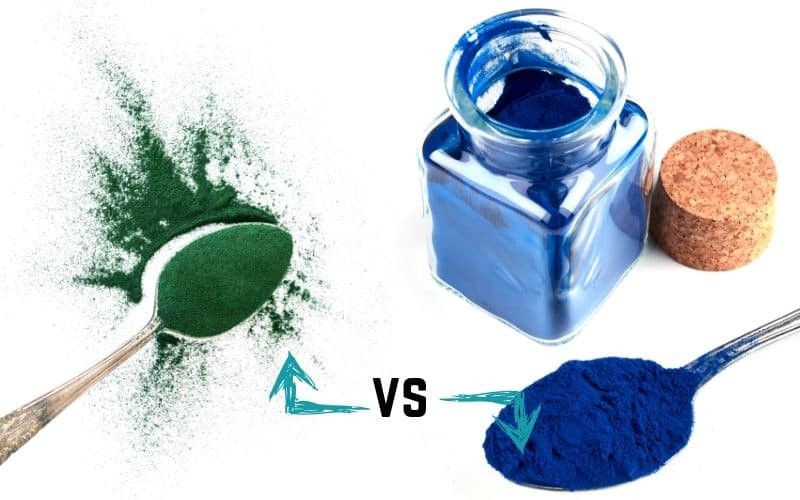
The production of blue spirulina involves meticulous extraction and processing techniques, which are among the most significant contributors to its overall cost. Unlike regular spirulina, the vibrant blue pigment, phycocyanin, must be carefully isolated using specialized equipment and processes to ensure maximum purity and stability. These steps require skilled labor, controlled environments, and advanced technology, all of which add to production expenses.
Blue Spirulina manufacturers in India face unique challenges in balancing these technical requirements with cost efficiency. From maintaining optimal cultivation conditions to implementing precise extraction methods, every stage impacts the quality and market price of the final product. By understanding these factors, it becomes clear why production costs are higher compared to conventional spirulina.
For Blue Spirulina manufacturers, investing in efficient processing techniques is crucial not only to deliver a premium-quality product but also to remain competitive in both domestic and international markets.
Energy Consumption Factors
Energy consumption plays a pivotal role in the production of blue spirulina, directly impacting both operational costs and overall efficiency. Cultivating and processing spirulina into its vibrant blue form involves controlled lighting, temperature regulation, and advanced extraction techniques—all of which demand significant energy input. Understanding these factors is crucial for evaluating production sustainability and cost management.
Blue Spirulina manufacturers in India are increasingly focusing on energy-efficient technologies and renewable sources to reduce operational expenses while maintaining high-quality output. By optimizing energy usage in cultivation, harvesting, and extraction, Blue Spirulina manufacturers can enhance productivity, lower costs, and contribute to environmentally responsible production practices. This overview sheds light on the energy consumption factors that shape the manufacturing process and pricing of blue spirulina in India.
Packaging & Logistics Costs
Packaging and logistics are critical components in the production and distribution of blue spirulina, directly influencing both cost and product quality. From ensuring the powder retains its vibrant color and nutritional value to safely transporting it to domestic and international markets, every step adds to the overall expense. High-quality, airtight, and moisture-resistant packaging is essential to maintain freshness, while efficient logistics help minimize losses and delivery delays.
For Blue Spirulina manufacturers in India, investing in reliable packaging solutions and streamlined distribution networks is a strategic priority. Blue Spirulina manufacturers must carefully balance these costs with competitive pricing to meet growing consumer demand while maintaining profitability. Understanding packaging and logistics expenditures provides a clearer picture of the economics behind bringing this superfood from farms to tables worldwide.
Impact of Scale on Pricing
Scaling up production can have a significant influence on the pricing of blue spirulina, making it a key factor for businesses and consumers alike. For Blue Spirulina manufacturers in India, the ability to produce larger volumes often leads to cost efficiencies that smaller operations may not achieve. Economies of scale help reduce expenses related to raw materials, labor, energy, and processing, which in turn can make blue spirulina more competitively priced in both domestic and international markets.
However, scaling is not without its challenges. Larger operations require advanced cultivation systems, specialized extraction equipment, and strict quality control measures to maintain the high standards expected from blue spirulina. For Blue Spirulina manufacturers, investing in these resources upfront can be substantial, but over time, increased production volumes generally offset these costs, ultimately benefiting both manufacturers and consumers.
Cost Comparison with Global Markets
The global market for blue spirulina has witnessed remarkable growth due to its unique color, antioxidant properties, and nutritional benefits. However, production costs can vary significantly across different regions, influencing pricing and competitiveness. Conducting a cost comparison with global markets helps understand where India stands in terms of affordability, quality, and scalability.
Blue Spirulina manufacturers in India are increasingly recognized for their ability to deliver high-quality products at competitive prices. Factors such as favorable climate, lower labor costs, and efficient cultivation practices give Indian producers an edge, while investment in advanced extraction technologies ensures the purity and potency of the final product.
Government Subsidies & Support
Government incentives play a pivotal role in fostering the growth of niche industries like blue spirulina production. For Blue Spirulina manufacturers in India, subsidies and support schemes can significantly offset operational costs, encourage investment in advanced cultivation technologies, and promote sustainable farming practices. These initiatives not only help reduce the financial burden on producers but also enhance the overall competitiveness of Indian blue spirulina in the global market.
Blue Spirulina manufacturers can benefit from programs that provide financial assistance for infrastructure development, research and development, and adoption of eco-friendly production methods. By leveraging government support, manufacturers can improve productivity, maintain high-quality standards, and expand their market reach, ensuring that India remains a key player in the global superfood industry.
Price Fluctuations & Market Trends
The market for blue spirulina has seen dynamic changes in recent years, driven by rising consumer awareness of its health benefits and its growing use in foods, beverages, and supplements. Price variations in this niche sector are influenced by multiple factors, including raw material availability, production costs, seasonal cultivation patterns, and global demand. For businesses and consumers, understanding these fluctuations is key to making informed decisions.
Blue Spirulina manufacturers in India face unique challenges in managing these market trends. Factors such as supply chain disruptions, extraction technology costs, and quality control measures can directly impact pricing. Moreover, emerging market trends, like the growing preference for organic and sustainably sourced products, are shaping both production strategies and consumer expectations.
Profit Margins for Manufacturers
Profitability is a key concern for businesses involved in the production of blue spirulina, as it directly impacts sustainability and growth in this niche market. The unique characteristics of blue spirulina, including its vibrant color and high nutritional value, make it a premium product, allowing Blue Spirulina manufacturers in India to command higher prices. However, the production process involves significant investment in technology, skilled labor, quality control, and regulatory compliance, all of which affect profit margins.
Blue Spirulina manufacturers need to carefully balance production costs with market pricing to ensure a healthy profit. Factors such as efficient cultivation methods, optimized extraction processes, bulk procurement of raw materials, and sustainable practices can significantly influence profitability. By understanding these dynamics, manufacturers can make informed decisions that enhance margins while maintaining product quality. This focus on economics and efficiency is central to the long-term success of blue spirulina production in India.
1. Why is blue spirulina expensive?
2. Does bulk production reduce costs?
3. Are Indian manufacturers cost-competitive?
4. What factors affect pricing the most?
5. Can startups enter this industry easily?
Algology — microalgae manufacturer & exporter in India
Explore our solutions: Spirulina Manufacturers in India · Blue Spirulina Manufacturers in India · Phycocyanin Manufacturers in India.