

How eco-friendly practices in India are shaping spirulina manufacturing.
As global demand for superfoods rises, the focus on environmentally responsible production has never been stronger. Blue Spirulina manufacturers in India are leading the way by adopting eco-friendly practices that minimize water usage, reduce energy consumption, and support sustainable cultivation methods. From using organic nutrient sources to implementing renewable energy systems, these producers are not only delivering high-quality spirulina but also ensuring that its growth has minimal impact on the environment. By prioritizing sustainability, Blue Spirulina manufacturers in India are setting a benchmark for the global nutraceutical industry, proving that wellness and environmental responsibility can go hand in hand.
Water Conservation Practices in Algae Farms
Water is a critical resource in algae cultivation, and responsible usage is essential for sustainable production. Blue Spirulina manufacturers in India are implementing innovative water conservation practices, such as recycling culture water, optimizing pond designs, and using efficient irrigation systems. These methods not only reduce water wastage but also enhance spirulina growth and quality. By prioritizing sustainable water management, Blue Spirulina manufacturers are demonstrating how eco-conscious practices can support both productivity and environmental stewardship in the nutraceutical industry.
Use of Renewable Energy in Cultivation
Sustainable cultivation is becoming a cornerstone of modern nutraceutical production. Blue Spirulina manufacturers in India are increasingly turning to renewable energy sources such as solar and wind power to run their farms, reducing their carbon footprint and promoting eco-friendly practices. By integrating clean energy into cultivation, Blue Spirulina manufacturers not only lower operational costs but also contribute to a greener environment. This approach demonstrates how innovation and sustainability can work together to produce high-quality spirulina while protecting natural resources for future generations.
Minimal Carbon Footprint Strategies
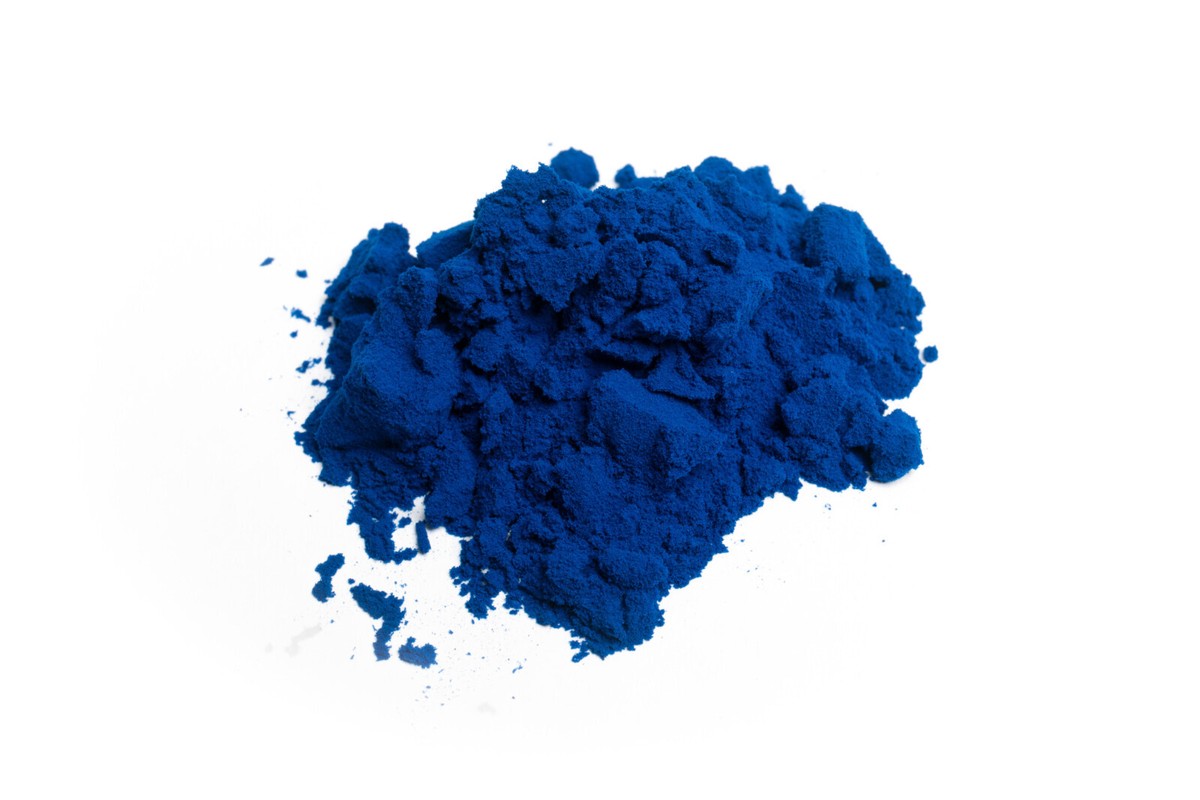
In today’s health-conscious world, sustainability is just as important as quality. Blue Spirulina manufacturers in India are increasingly adopting minimal carbon footprint strategies to reduce greenhouse gas emissions during cultivation and processing. From optimizing energy-efficient production systems to using low-impact transportation and eco-friendly packaging, these producers are demonstrating that responsible manufacturing can go hand in hand with superior product quality. By embracing these practices, Blue Spirulina manufacturers are not only supporting a healthier planet but also strengthening their reputation in the global nutraceutical market.
Organic & Chemical-Free Nutrient Sources
Quality and purity are at the heart of modern superfood production, and Blue Spirulina manufacturers in India are setting high standards by relying on organic and chemical-free nutrient sources. By avoiding synthetic fertilizers and harmful additives, these producers ensure that every batch of spirulina is natural, safe, and packed with nutrients. Such practices not only enhance the health benefits of spirulina but also promote environmentally responsible cultivation. Leading the way, Blue Spirulina manufacturers in India demonstrate that sustainable, chemical-free production is possible without compromising on quality or efficacy.
Sustainable Packaging Solutions
In today’s health-conscious and eco-aware market, Blue Spirulina manufacturers in India are increasingly embracing sustainable packaging solutions. By shifting from traditional plastic containers to biodegradable, recyclable, and compostable materials, these producers ensure that their products not only nourish the body but also protect the planet. Such initiatives reflect a growing commitment among Blue Spirulina manufacturers to reduce environmental impact while maintaining product quality and shelf life. Through innovative packaging practices, India’s spirulina industry is setting a global standard for eco-friendly production and responsible consumption.
Lifecycle Assessment of Production
Understanding the environmental impact of spirulina production requires a detailed lifecycle assessment. Blue Spirulina manufacturers in India are increasingly analyzing every stage of their operations—from raw material sourcing and cultivation to processing and packaging—to identify opportunities for reducing waste and conserving resources. By adopting sustainable practices throughout the production cycle, these producers ensure that their products meet global quality standards while minimizing ecological footprints. Through this approach, Blue Spirulina manufacturers in India are not only promoting healthier consumption but also reinforcing their commitment to environmental responsibility.
Compliance with Environmental Regulations
Regulatory compliance is a cornerstone of responsible production, and Blue Spirulina manufacturers in India are setting high standards in this regard. By adhering to stringent environmental regulations, these producers ensure that cultivation, processing, and packaging practices meet legal requirements while safeguarding natural resources. From proper waste management to controlled nutrient discharge and eco-conscious energy usage, Blue Spirulina manufacturers are committed to operating sustainably without compromising quality. This dedication not only strengthens consumer trust but also positions India as a global leader in compliant and environmentally responsible spirulina production.
Green Certifications for Manufacturers
In today’s health-conscious world, sustainability is becoming a key differentiator for food and nutraceutical products. Blue Spirulina manufacturers in India are increasingly seeking green certifications to demonstrate their commitment to eco-friendly practices and high-quality production standards. These certifications not only ensure that cultivation and processing methods meet rigorous environmental guidelines but also enhance trust among global buyers. By adhering to sustainable practices and obtaining recognized green certifications, Blue Spirulina manufacturers are setting themselves apart as responsible producers, contributing to both consumer health and the planet’s well-being.
Consumer Awareness on Eco-Friendly Products
In today’s health-conscious world, consumers are increasingly seeking products that are not only nutritious but also environmentally responsible. Blue Spirulina manufacturers in India are responding to this growing awareness by highlighting sustainable cultivation and eco-friendly production practices. By prioritizing natural growth methods, minimal chemical use, and renewable resources, these producers are educating buyers on the benefits of choosing products that support both personal wellness and the planet. The efforts of Blue Spirulina manufacturers are helping consumers make informed choices, bridging the gap between health benefits and environmental responsibility.
Q1: Are Indian spirulina farms eco-friendly?
Q2: Do manufacturers use renewable energy?
Q3: How is water usage minimized?
Q4: Are the farms certified sustainable?
Q5: Can sustainability practices reduce costs?
Algology — microalgae manufacturer & exporter in India
Explore our solutions: Spirulina Manufacturers in India · Blue Spirulina Manufacturers in India · Phycocyanin Manufacturers in India.