
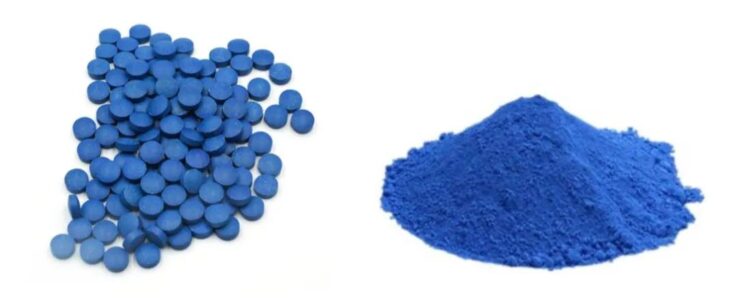
Why food brands are using blue spirulina.
The functional food industry is rapidly evolving, with brands constantly seeking innovative, natural ingredients that deliver both visual appeal and health benefits. One ingredient that has gained remarkable attention in recent years is blue spirulina. Known for its vibrant blue hue and powerful nutritional profile, blue spirulina is becoming a preferred choice for food manufacturers looking to create clean-label, functional products that stand out in a competitive market.
A key reason behind this growing demand is the increasing consumer shift toward natural and plant-based ingredients. Synthetic food colors and additives are gradually being replaced by safer, nutrient-rich alternatives. Blue spirulina, derived from spirulina algae and rich in phycocyanin, not only provides a striking natural color but also offers antioxidant and anti-inflammatory properties. This dual benefit makes it highly attractive for functional food brands aiming to combine aesthetics with wellness.
Clean Label Food Trends
The global food industry is undergoing a major shift as consumers become more conscious about what goes into their food. This has led to the rapid rise of clean label food trends, where transparency, natural ingredients, and minimal processing are at the forefront. Today’s consumers are carefully reading ingredient lists and actively avoiding artificial colors, preservatives, and synthetic additives—pushing brands to rethink their formulations and sourcing strategies. One of the key drivers of clean label demand is the preference for recognizable and plant-based ingredients. Consumers want products that not only taste good but also align with their health and wellness goals. This is where natural superfoods like blue spirulina are gaining popularity. Known for its vibrant natural pigment and rich nutritional value, blue spirulina is increasingly being used as a clean-label alternative to artificial food coloring.
Natural Coloring in Food Products
In today’s food industry, the demand for natural colouring agents is rising rapidly as consumers become more conscious about what goes into their food. Artificial colours, once widely used for their consistency and vibrancy, are now being replaced with safer, plant-based alternatives. This shift has encouraged food brands to explore innovative ingredients that not only enhance visual appeal but also contribute to overall health—making natural colouring a key trend in product development.
One standout ingredient in this space is blue spirulina, a natural pigment derived from spirulina algae. Unlike synthetic blue dyes, which often raise health concerns, blue spirulina offers a clean-label solution with added nutritional benefits. Rich in phycocyanin, it provides antioxidant properties while delivering a unique and vibrant blue shade that is difficult to achieve naturally. This makes it highly valuable for brands looking to create visually appealing yet health-focused products.
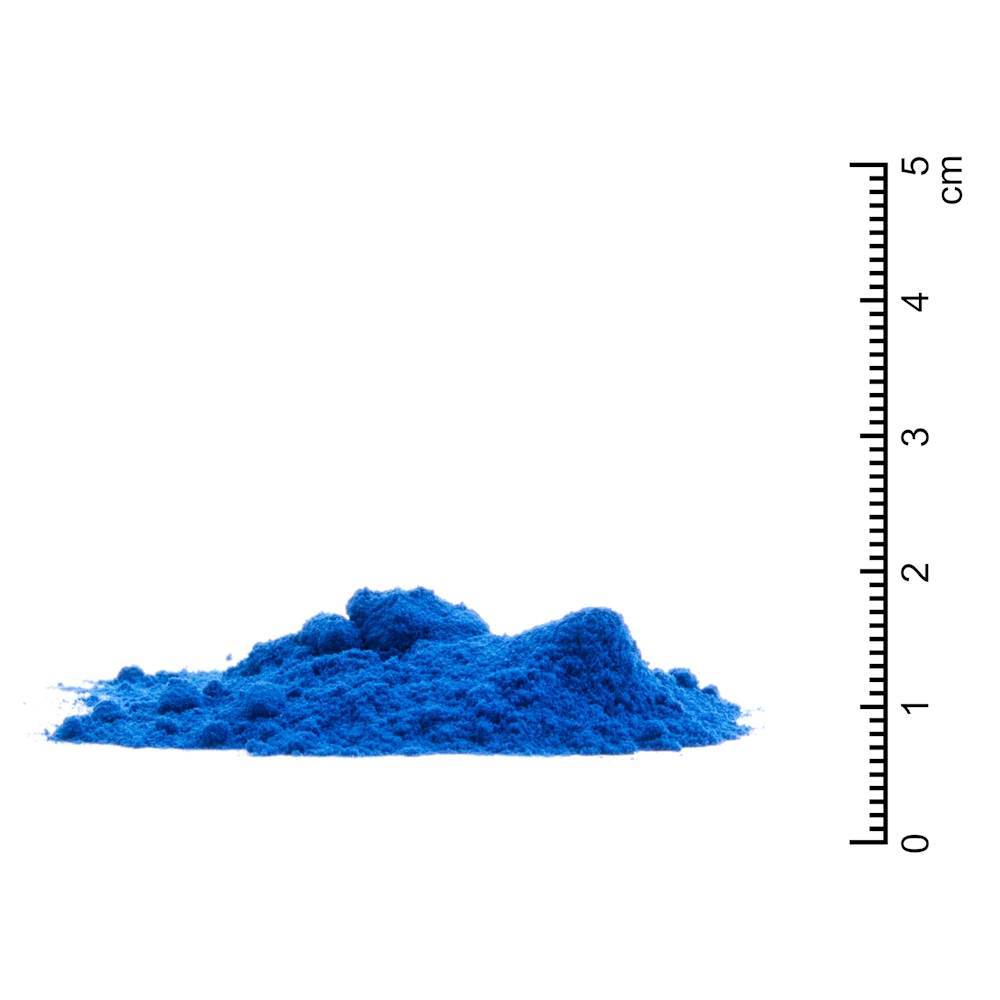
Nutritional Enhancement Benefits
Blue spirulina has emerged as a powerful functional ingredient, offering exceptional nutritional value that aligns perfectly with the growing demand for health-focused food products. Derived from spirulina algae, its key compound—phycocyanin—is known for its potent antioxidant, anti-inflammatory, and immune-boosting properties. This makes blue spirulina an ideal choice for food manufacturers aiming to enhance the nutritional profile of their products without compromising on quality or taste.
One of the major advantages of blue spirulina is its ability to support overall wellness. It helps combat oxidative stress, promotes cellular health, and contributes to improved immunity—benefits that modern consumers actively seek in functional foods. Additionally, it contains essential amino acids, vitamins, and minerals that further enrich food formulations, making it suitable for a wide range of applications such as health drinks, protein bars, supplements, and fortified snacks.
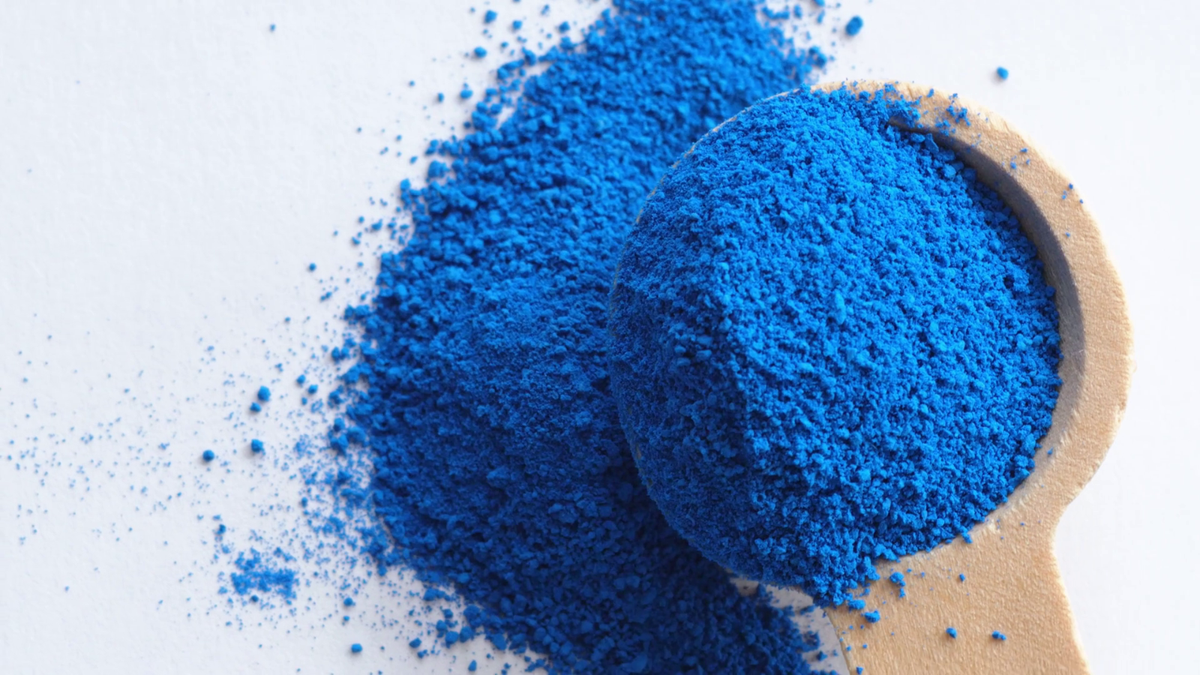
Application in Desserts & Bakery
Blue spirulina is transforming the desserts and bakery segment by offering a natural, vibrant alternative to synthetic food colorants. Its striking blue shade allows brands to create visually appealing products such as cakes, pastries, macarons, frostings, ice creams, and gourmet desserts that instantly capture consumer attention. As modern consumers are drawn to aesthetically pleasing and “Instagram-worthy” foods, blue spirulina helps bakeries and dessert brands stand out while maintaining a clean-label promise.
One of the biggest advantages of using blue spirulina in desserts is its ability to blend seamlessly without altering taste or texture. Unlike artificial colors that may leave a chemical aftertaste, blue spirulina provides a neutral profile, making it ideal for delicate bakery recipes like whipped creams, glazes, and fillings. It is especially popular in vegan and plant-based desserts, where natural ingredients are a key selling point.
Dairy & Plant-Based Products
The dairy and plant-based food segments are witnessing a surge in innovation, driven by consumers seeking healthier, visually appealing, and functional options. Blue spirulina has emerged as a game-changing ingredient in this space, offering both nutritional value and a naturally vibrant blue color that enhances product appeal. From flavored milk, yogurts, and ice creams to plant-based alternatives like almond milk, oat milk, and vegan desserts, blue spirulina is being widely adopted by forward-thinking brands.
One of the main advantages of using blue spirulina in dairy and plant-based products is its clean-label appeal. Consumers today are highly conscious of ingredient lists and prefer products free from artificial colors and additives. Blue spirulina fulfills this demand by acting as a natural coloring agent while also delivering health benefits such as antioxidants and protein content. This makes it especially attractive for brands looking to position their products as both nutritious and visually unique.
Beverage Formulations
Blue spirulina has become a game-changer in modern beverage formulations, especially for brands focused on health, wellness, and visual appeal. Its vibrant natural blue color, combined with impressive nutritional benefits, makes it an ideal ingredient for a wide range of functional drinks. From detox juices and smoothies to energy drinks, protein shakes, and wellness shots, blue spirulina is helping brands create products that are both eye-catching and beneficial.
One of the biggest advantages of using blue spirulina in beverages is its ability to enhance product aesthetics without relying on artificial colorants. Today’s consumers are highly conscious of ingredient labels, and beverages made with natural color sources like blue spirulina stand out as clean-label and premium offerings. This has led many brands to collaborate with trusted Blue Spirulina manufacturers to ensure consistent color intensity and purity in their formulations.
Stability in Food Processing
Stability is a critical factor in food processing, especially when incorporating natural ingredients into functional products. Blue spirulina, while highly valued for its vibrant color and nutritional benefits, is also sensitive to environmental conditions such as heat, pH levels, and light exposure. For food brands, maintaining the stability of this ingredient throughout production and shelf life is essential to ensure product quality, visual appeal, and nutritional integrity.
One of the main challenges in using blue spirulina is its heat sensitivity. High temperatures during processing can degrade phycocyanin, the pigment responsible for its bright blue color and health benefits. To address this, manufacturers often incorporate blue spirulina in low-heat or post-processing stages, such as in smoothies, cold beverages, protein bars, and desserts. This approach helps preserve both its color and functional properties.
Flavour Compatibility
One of the key reasons blue spirulina is gaining popularity in the functional food space is its excellent flavour compatibility. Unlike many other nutrient-dense ingredients, blue spirulina has a very mild, almost neutral taste profile. This makes it easy for food brands to incorporate it into a wide range of products without altering the original flavour, which is a major advantage in product formulation.
For manufacturers, maintaining taste consistency is critical to consumer acceptance. Blue spirulina blends seamlessly into beverages like smoothies, juices, and energy drinks, as well as into yogurts, desserts, and snack products. It pairs particularly well with fruity flavours such as mango, pineapple, berries, and citrus, where its vibrant blue colour enhances visual appeal while the flavour remains unchanged. This ability to complement rather than overpower makes it highly desirable for innovative food applications.
Market Demand for Superfoods
The global demand for superfoods has surged in recent years, driven by consumers’ growing focus on health, wellness, and preventive nutrition. Among these superfoods, blue spirulina has emerged as a standout ingredient, celebrated for its vibrant color, high antioxidant content, and versatile applications in food and beverage products. Its unique nutritional profile makes it an ideal choice for health-conscious consumers seeking natural, functional ingredients.
As more food brands incorporate blue spirulina into their offerings, the role of reliable Blue Spirulina manufacturers becomes increasingly important. High-quality sourcing ensures consistency, purity, and safety—critical factors for brands aiming to maintain consumer trust and meet regulatory standards. In this context, Blue Spirulina manufacturers in India have gained prominence, leveraging advanced cultivation and extraction techniques to produce top-grade spirulina suitable for a wide range of functional foods.
Product Development Opportunities
The rising popularity of blue spirulina has opened up a world of product development opportunities for food brands looking to innovate and differentiate their offerings. With its vibrant natural color, impressive nutritional profile, and functional benefits, blue spirulina is no longer just a niche ingredient—it has become a key component in creating visually appealing, health-focused products.
Food brands are increasingly exploring new formulations, from beverages, smoothies, and dairy products to confectionery, bakery items, and dietary supplements. Its versatility allows manufacturers to experiment with flavor, texture, and presentation while maintaining the clean-label appeal that modern consumers demand. By incorporating blue spirulina, brands can cater to the growing trend of wellness-oriented and plant-based products, meeting the expectations of health-conscious customers.
1. Can blue spirulina be used in baking?
2. Does heat affect its color?
3. Is it safe for food manufacturing?
4. What foods commonly use it?
5. Does it change flavour?
Algology — microalgae manufacturer & exporter in India
Explore our solutions: Spirulina Manufacturers in India · Blue Spirulina Manufacturers in India · Phycocyanin Manufacturers in India.