

How technology is improving spirulina production.
The demand for natural, plant-based superfoods has led to rapid advancements in the nutraceutical industry, with blue spirulina emerging as one of the most sought-after ingredients. Known for its vibrant color and high concentration of phycocyanin, blue spirulina is widely used in food, beverages, cosmetics, and health supplements. As global demand continues to rise, Blue Spirulina manufacturers in India are increasingly adopting advanced technologies to enhance production efficiency, quality, and scalability.
Traditionally, spirulina cultivation relied on open pond systems, which were often vulnerable to contamination, inconsistent yields, and environmental fluctuations. Today, Blue Spirulina manufacturers are leveraging modern innovations such as controlled photobioreactors, automated monitoring systems, and precision nutrient management to overcome these challenges. These technologies enable better control over light, temperature, and pH levels, resulting in higher purity and improved phycocyanin extraction.
Advanced Cultivation Systems
Advanced cultivation systems are playing a crucial role in transforming the production capabilities of Blue Spirulina manufacturers in India. As the demand for high-quality phycocyanin continues to grow, traditional open pond methods are gradually being replaced or enhanced by modern, controlled cultivation technologies. These advanced systems not only improve yield but also ensure better purity, consistency, and scalability—key factors for competing in the global market. One of the most significant innovations adopted by Blue Spirulina manufacturers is the use of closed photobioreactors. These systems provide a controlled environment where factors such as light intensity, temperature, carbon dioxide levels, and pH can be precisely managed. This minimizes contamination risks and allows year-round production, making it especially beneficial in regions with varying climatic conditions. As a result, Blue Spirulina manufacturers in India can maintain consistent quality while significantly increasing productivity.
Controlled Environment Farming
Controlled environment farming is transforming the way spirulina is cultivated, offering greater precision, consistency, and efficiency in production. For Blue Spirulina manufacturers in India, this approach is becoming increasingly important as demand for high-quality, contaminant-free spirulina continues to grow across global markets. By moving away from traditional open pond systems, Blue Spirulina manufacturers can now produce spirulina in highly regulated environments that ensure optimal growth conditions year-round.
This method involves the use of closed systems such as photobioreactors, where factors like temperature, light intensity, pH levels, and nutrient supply are carefully controlled. For Blue Spirulina manufacturers in India, controlled environment farming helps minimize the risks of contamination from external pollutants, bacteria, and algae, which are common challenges in open cultivation. As a result, manufacturers can achieve higher purity levels, which is especially crucial for extracting premium-grade phycocyanin.

Improved Extraction Technologies
The evolution of extraction methods has become a game-changer for Blue Spirulina manufacturers in India, enabling them to produce high-purity phycocyanin while maintaining its nutritional and functional properties. As demand grows across global markets, Blue Spirulina manufacturers are investing in advanced extraction technologies that ensure better yield, color stability, and product quality.
Traditional extraction processes often involved basic filtration and mechanical separation, which could lead to pigment degradation and lower efficiency. Today, Blue Spirulina manufacturers in India are adopting modern techniques such as membrane filtration, ultrafiltration, and centrifugation to achieve superior purity levels. These methods help isolate phycocyanin more effectively while preserving its natural blue color and antioxidant properties.
High-Purity Phycocyanin Development
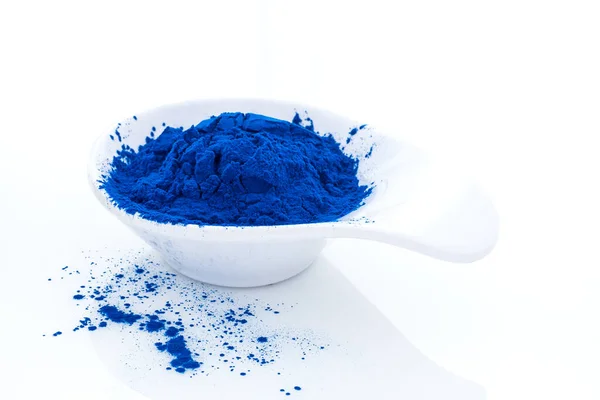
The growing demand for clean-label, natural ingredients has pushed the industry toward the development of high-purity phycocyanin, the key pigment extracted from spirulina. Known for its intense blue color and powerful antioxidant properties, phycocyanin is widely used in food, beverages, cosmetics, and nutraceuticals. To meet global quality standards, Blue Spirulina manufacturers in India are focusing on advanced methods to produce highly purified and stable phycocyanin extracts.
Achieving high purity levels requires precise control over both cultivation and extraction processes. Today, Blue Spirulina manufacturers are adopting closed-system cultivation techniques such as photobioreactors to minimize contamination and ensure consistent biomass quality. This controlled environment plays a crucial role in producing spirulina with higher phycocyanin content, which directly impacts the efficiency of extraction.
Automation in Manufacturing
Automation is playing a transformative role in the nutraceutical industry, especially in the production of high-value ingredients like blue spirulina. As demand continues to grow, Blue Spirulina manufacturers in India are increasingly adopting automated systems to streamline operations, improve efficiency, and maintain consistent product quality. From cultivation to extraction and packaging, automation is helping reduce manual intervention and minimize errors across every stage of production.
Modern Blue Spirulina manufacturers are utilizing automated photobioreactors and smart control systems that continuously monitor key parameters such as temperature, light intensity, pH levels, and nutrient supply. These systems ensure optimal growth conditions for spirulina, resulting in higher yields and better-quality biomass. Automation also enables real-time data tracking, allowing manufacturers to quickly identify and address any deviations in the production cycle.
AI Monitoring in Algae Farming
Artificial Intelligence is transforming the landscape of algae cultivation, bringing precision, efficiency, and scalability to the forefront of modern production. For Blue Spirulina manufacturers in India, AI-driven monitoring systems are playing a crucial role in optimizing every stage of the farming process, from cultivation to harvesting. These advanced technologies are helping producers maintain consistent quality while meeting the growing global demand for blue spirulina.
Traditionally, monitoring algae growth required manual observation and periodic testing, which often led to inconsistencies and delayed responses to environmental changes. Today, Blue Spirulina manufacturers are adopting AI-powered sensors and data analytics tools that continuously track key parameters such as light intensity, temperature, pH levels, and nutrient concentration. This real-time monitoring allows for immediate adjustments, ensuring optimal growth conditions and higher yields.
Biotechnology Research
Biotechnology research is playing a crucial role in transforming the way spirulina is cultivated, processed, and utilized across industries. With increasing global demand for natural pigments and nutrient-rich supplements, Blue Spirulina manufacturers in India are investing in advanced biotechnological methods to enhance both productivity and quality. These innovations are helping unlock the full potential of spirulina, particularly in maximizing the extraction of phycocyanin—the key compound responsible for its vibrant blue color and health benefits.
Modern biotechnology enables Blue Spirulina manufacturers to develop improved strains of spirulina that offer higher yield, faster growth rates, and greater resistance to environmental stress. Through techniques such as strain selection, genetic optimization, and controlled culture conditions, manufacturers can ensure consistent and high-quality output. This is especially important for meeting strict international standards in food, cosmetics, and nutraceutical applications.
Increased Yield Techniques
As global demand for natural pigments and superfoods continues to grow, Blue Spirulina manufacturers in India are focusing on innovative techniques to significantly increase production yield without compromising quality. Achieving higher output is no longer just about expanding cultivation areas; it now depends on precision-driven methods and advanced farming technologies.
One of the key approaches adopted by Blue Spirulina manufacturers is the use of controlled cultivation systems such as closed-loop photobioreactors. Unlike traditional open ponds, these systems provide an optimized environment with consistent light exposure, temperature regulation, and carbon dioxide supply. This controlled setup accelerates spirulina growth cycles and ensures higher biomass productivity.
Nutrient optimization also plays a crucial role in boosting yield. By carefully balancing essential nutrients like nitrogen, phosphorus, and trace minerals, Blue Spirulina manufacturers in India can enhance algal growth rates and maximize phycocyanin content. Many producers now rely on data-driven nutrient dosing systems that adjust inputs in real time based on culture conditions.
Stability Enhancements
Stability has long been one of the key challenges in the commercialization of blue spirulina, as the natural pigment phycocyanin is highly sensitive to heat, light, and pH variations. To address this, Blue Spirulina manufacturers in India are focusing on advanced stability enhancement techniques that ensure the product retains its color, nutritional value, and shelf life across various applications.
Modern processing methods such as microencapsulation and spray drying are being widely adopted by Blue Spirulina manufacturers to protect phycocyanin from environmental degradation. These techniques create a protective barrier around the pigment, allowing it to maintain its vibrant blue color even when used in beverages, confectionery, and dairy products. Additionally, the use of natural stabilizers and antioxidants is helping improve resistance to oxidation and temperature fluctuations.
R&D Investments in India
Research and development (R&D) have become key drivers in transforming the blue spirulina industry, especially as demand continues to grow across global markets. To stay competitive and meet evolving quality standards, Blue Spirulina manufacturers in India are significantly increasing their investments in innovation, focusing on improving cultivation techniques, extraction efficiency, and product applications.
Leading Blue Spirulina manufacturers are collaborating with research institutions, biotechnology labs, and food science experts to develop advanced strains of spirulina with higher phycocyanin content and better resilience to environmental changes. These R&D initiatives are helping manufacturers achieve higher yields while maintaining consistent quality, which is crucial for both domestic consumption and export markets.
1. What technologies improve spirulina quality?
2. Are automated farms used?
3. How is purity increasing?
4. Are Indian companies investing in R&D?
5. Will technology reduce costs?
Algology — microalgae manufacturer & exporter in India
Explore our solutions: Spirulina Manufacturers in India · Blue Spirulina Manufacturers in India · Phycocyanin Manufacturers in India.