
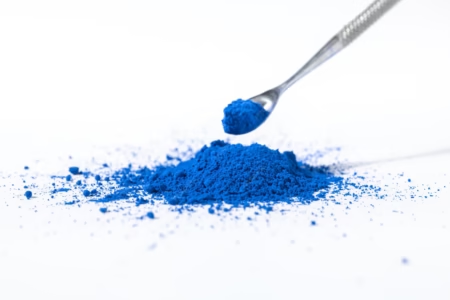
Shift from Artificial Colors to Natural Pigments
In recent years, the food and beverage industry has witnessed a significant shift from synthetic food colors to natural pigments, driven by growing consumer awareness of health and wellness. Synthetic colors, often associated with allergic reactions and long-term health concerns, are gradually being replaced by naturally derived alternatives. Among these, blue spirulina stands out as a safe, vibrant, and sustainable option. Sourced from microalgae, it offers a rich, natural blue hue without the harmful side effects of artificial dyes.
This rising demand has opened new opportunities for Blue Spirulina manufacturers in India, positioning the country as a hub for high-quality production. Leading Blue Spirulina manufacturers are leveraging advanced cultivation and extraction techniques to meet both domestic and international market needs, making natural blue pigments more accessible than ever.
What Are Synthetic Food Dyes?
Synthetic food dyes are chemically manufactured color additives used to enhance the appearance of food and beverages. These artificial colors are popular because they are inexpensive, vibrant, and stable under various processing conditions. Common examples include Brilliant Blue FCF, Tartrazine, and Allura Red, which are found in candies, soft drinks, baked goods, and processed snacks. However, the extensive use of synthetic dyes has raised health concerns. Studies have linked some artificial colors to allergic reactions, hyperactivity in children, and potential long-term health risks. As a result, there is a growing consumer preference for natural alternatives, creating an opportunity for safer options like blue spirulina.
Health Concerns with Artificial Colors
Artificial food colors have long been associated with a range of health concerns, prompting consumers and manufacturers to seek safer alternatives. Studies indicate that synthetic dyes may trigger allergic reactions, hyperactivity in children, and even long-term risks such as organ toxicity when consumed in large amounts. With rising awareness about these potential hazards, the demand for natural colorants has surged.
This growing trend has created a significant opportunity for Blue Spirulina manufacturers in India, who are providing a healthy and vibrant alternative to synthetic dyes. Leading Blue Spirulina manufacturers focus on producing safe, high-quality natural pigments derived from microalgae, offering both food safety and aesthetic appeal. By choosing blue spirulina, businesses and consumers can enjoy visually appealing products without compromising on health.

Natural Pigment Advantages
Natural pigments are gaining popularity in the food, beverage, and cosmetic industries due to their health benefits and eco-friendly nature. Unlike synthetic dyes, which may cause allergic reactions or long-term health concerns, natural pigments offer a safer alternative without compromising on vibrancy and appeal.
Blue spirulina, in particular, has emerged as a frontrunner in this trend. Rich in phycocyanin—a powerful antioxidant—blue spirulina not only provides a striking natural blue color but also contributes to overall health by supporting immunity and reducing inflammation. Its stability in different formulations makes it ideal for a wide range of products, from smoothies and confectionery to cosmetics.
Phycocyanin as a Natural Colorant
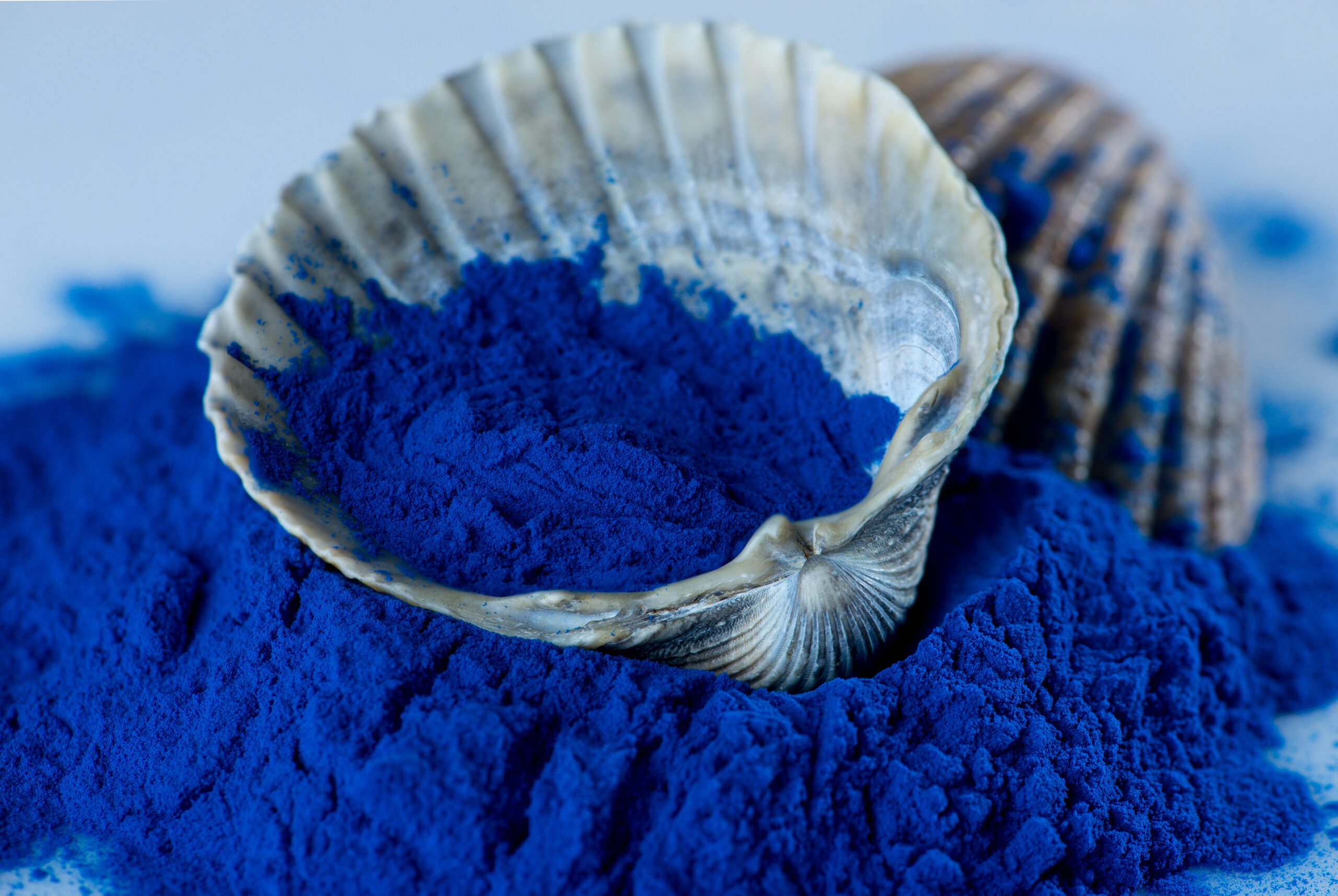
Phycocyanin, the vibrant blue pigment extracted from blue spirulina, is gaining recognition as a safe and eco-friendly natural colorant. Unlike synthetic dyes, phycocyanin not only imparts a striking blue hue to foods, beverages, and cosmetics but also offers antioxidant and anti-inflammatory benefits. This dual functionality makes it an ideal choice for health-conscious consumers and manufacturers aiming for clean-label products.
With the increasing global preference for natural alternatives, Blue Spirulina manufacturers in India are at the forefront of producing high-quality phycocyanin. These Blue Spirulina manufacturers are investing in advanced cultivation and extraction technologies to ensure consistent color quality, stability, and safety, meeting both domestic demand and export standards.
Stability in Food Applications
One of the key factors driving the adoption of natural colorants in the food industry is their stability under various processing conditions. Unlike many synthetic dyes that can degrade or change color when exposed to heat, light, or varying pH levels, blue spirulina maintains its vibrant hue across a wide range of applications. This makes it an ideal choice for beverages, confectionery, dairy products, and baked goods.
Recognizing its versatility, Blue Spirulina manufacturers in India are investing in advanced extraction and stabilization techniques to ensure consistent quality and color retention. Leading Blue Spirulina manufacturers are not only catering to domestic needs but are also supplying stable, high-quality pigments for international markets, helping brands replace artificial colors with a reliable natural alternative.
Regulatory Acceptance Worldwide
As the global food industry increasingly favors natural alternatives, the regulatory landscape for natural pigments like blue spirulina has become a key factor in its adoption. Blue spirulina, derived from the microalgae Arthrospira platensis, is recognized as safe by multiple international authorities, including the US FDA and the European Food Safety Authority (EFSA). This regulatory acceptance ensures that products containing blue spirulina meet stringent safety and quality standards, making it a reliable choice for manufacturers and consumers alike.
For Blue Spirulina manufacturers in India, this global recognition not only boosts credibility but also opens doors to lucrative export markets. Leading Blue Spirulina manufacturers in India are now able to cater to international demand, supplying high-quality, certified natural pigments to food, beverage, and nutraceutical industries worldwide. This acceptance underscores the growing trust in blue spirulina as a sustainable and safe alternative to synthetic colors.
Consumer Demand for Clean Label Products
As consumers become increasingly health-conscious, the demand for clean label products—foods made with natural, recognizable ingredients—has surged. Shoppers today are scrutinizing labels, seeking products free from artificial additives, synthetic colors, and preservatives. In this landscape, natural alternatives like blue spirulina have gained immense popularity, offering both safety and vibrant color.
This trend has created a significant opportunity for Blue Spirulina manufacturers in India, who are now at the forefront of supplying high-quality, natural pigments to meet consumer expectations. By focusing on purity, sustainability, and innovation, leading Blue Spirulina manufacturers are helping brands deliver visually appealing and health-conscious products that align perfectly with the clean label movement.
Use in Confectionery & Beverages
Blue spirulina has rapidly gained popularity in the confectionery and beverage industries due to its vibrant color and natural origin. From candies, chocolates, and ice creams to smoothies, cocktails, and health drinks, this natural blue pigment enhances visual appeal while being safe for consumption. Unlike synthetic dyes, which may pose health risks, blue spirulina provides a clean-label solution that aligns with the growing consumer demand for natural and healthier ingredients.
The increasing adoption of blue spirulina has also created a thriving market for Blue Spirulina manufacturers in India. Leading Blue Spirulina manufacturers in the country are now supplying high-quality extracts that meet global standards, supporting both small artisanal producers and large-scale food and beverage brands. This makes India a key player in the global natural color market, offering reliable sources for businesses seeking sustainable and safe alternatives to artificial colors.
Color Performance Comparison
When it comes to coloring food and beverages, the performance of natural pigments versus synthetic dyes is a crucial factor. Synthetic food colors are often praised for their intensity and stability, but they come with health concerns that have prompted consumers and manufacturers to look for safer alternatives. In contrast, blue spirulina offers impressive color performance while being completely natural and non-toxic.
The vibrant blue hue derived from spirulina maintains its stability across various temperatures, pH levels, and light exposure, making it a versatile choice for beverages, confectionery, and dairy products. Unlike synthetic dyes, which can fade or alter flavor under certain conditions, the color from blue spirulina remains consistent, providing both aesthetic appeal and safety.
Market Trends in Natural Coloring
The global food industry is increasingly leaning toward natural coloring agents, reflecting a broader consumer preference for health-conscious and sustainable products. Among these natural pigments, blue spirulina has emerged as a prominent choice due to its vibrant hue, nutritional benefits, and clean-label appeal. As awareness grows, more companies are replacing synthetic dyes with natural alternatives to cater to this demand.
India, with its ideal climate and advanced cultivation techniques, has become a significant player in this market. Blue Spirulina manufacturers in India are expanding their production capabilities to meet rising domestic and international demand. Leading Blue Spirulina manufacturers are now innovating with high-purity extracts, positioning themselves at the forefront of the natural coloring revolution.
1. Is Blue Spirulina safer than synthetic dyes?
2. Does it provide the same colour intensity?
3. Can it replace artificial food colour completely?
4. Is it approved for food use worldwide?
5. Does it affect taste?
Algology — microalgae manufacturer & exporter in India
Explore our solutions: Spirulina Manufacturers in India · Blue Spirulina Manufacturers in India · Phycocyanin Manufacturers in India.