
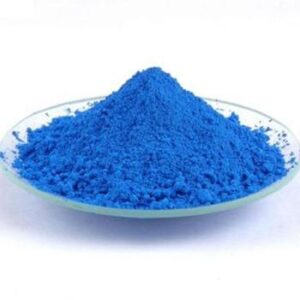
In the rapidly growing health and nutraceutical industry, ensuring the stability and longevity of bioactive compounds is critical. For Blue Spirulina manufacturers in India, maintaining the quality and potency of their products is a top priority, particularly due to the sensitive nature of Phycocyanin / Blue Spirulina, the pigment responsible for its vibrant blue color and numerous health benefits. Scientific stability testing provides a reliable framework to determine the shelf-life of these products, allowing manufacturers to guarantee consistent efficacy, safety, and visual appeal over time.
Stability studies typically involve controlled experiments that assess how Phycocyanin / Blue Spirulina reacts to environmental factors such as temperature, light, humidity, and pH. These methods help identify the conditions under which the product remains stable and the point at which degradation begins. By applying rigorous scientific protocols, Blue Spirulina manufacturers in India can establish accurate expiration dates, optimize packaging, and implement storage recommendations, ultimately ensuring that consumers receive a high-quality, safe, and effective product.
Importance of shelf-life validation
For Blue Spirulina manufacturers in India, shelf-life validation is not just a regulatory requirement—it is a crucial step to ensure product quality, safety, and consumer trust. Phycocyanin / Blue Spirulina, the active pigment that gives the product its characteristic blue hue and health-promoting properties, is highly sensitive to environmental factors such as heat, light, and moisture. Without proper shelf-life validation, the potency and stability of Phycocyanin can decline over time, leading to reduced effectiveness and compromised product integrity.
Real-Time Stability Studies
Real-time stability studies are one of the most reliable approaches employed by Blue Spirulina manufacturers in India to evaluate the long-term stability of Phycocyanin / Blue Spirulina under normal storage conditions. Unlike accelerated tests that simulate extreme conditions, real-time studies monitor the product over its intended shelf-life period, providing an accurate representation of how the pigment and bioactive compounds behave over time.
During these studies, Blue Spirulina manufacturers in India store samples of Phycocyanin / Blue Spirulina at recommended temperature, humidity, and light conditions. Periodically, the samples are analyzed for key parameters such as color retention, moisture content, microbial growth, and antioxidant activity. Any changes in these characteristics indicate the onset of degradation, allowing manufacturers to define precise expiration dates and ensure product safety and efficacy.
Accelerated stability testing
For Blue Spirulina manufacturers in India, ensuring the long-term stability of their products is essential to maintain the integrity of Phycocyanin / Blue Spirulina, the key bioactive compound responsible for its vivid blue color and health-promoting properties. One of the most widely used scientific approaches to determine product stability is accelerated stability testing.
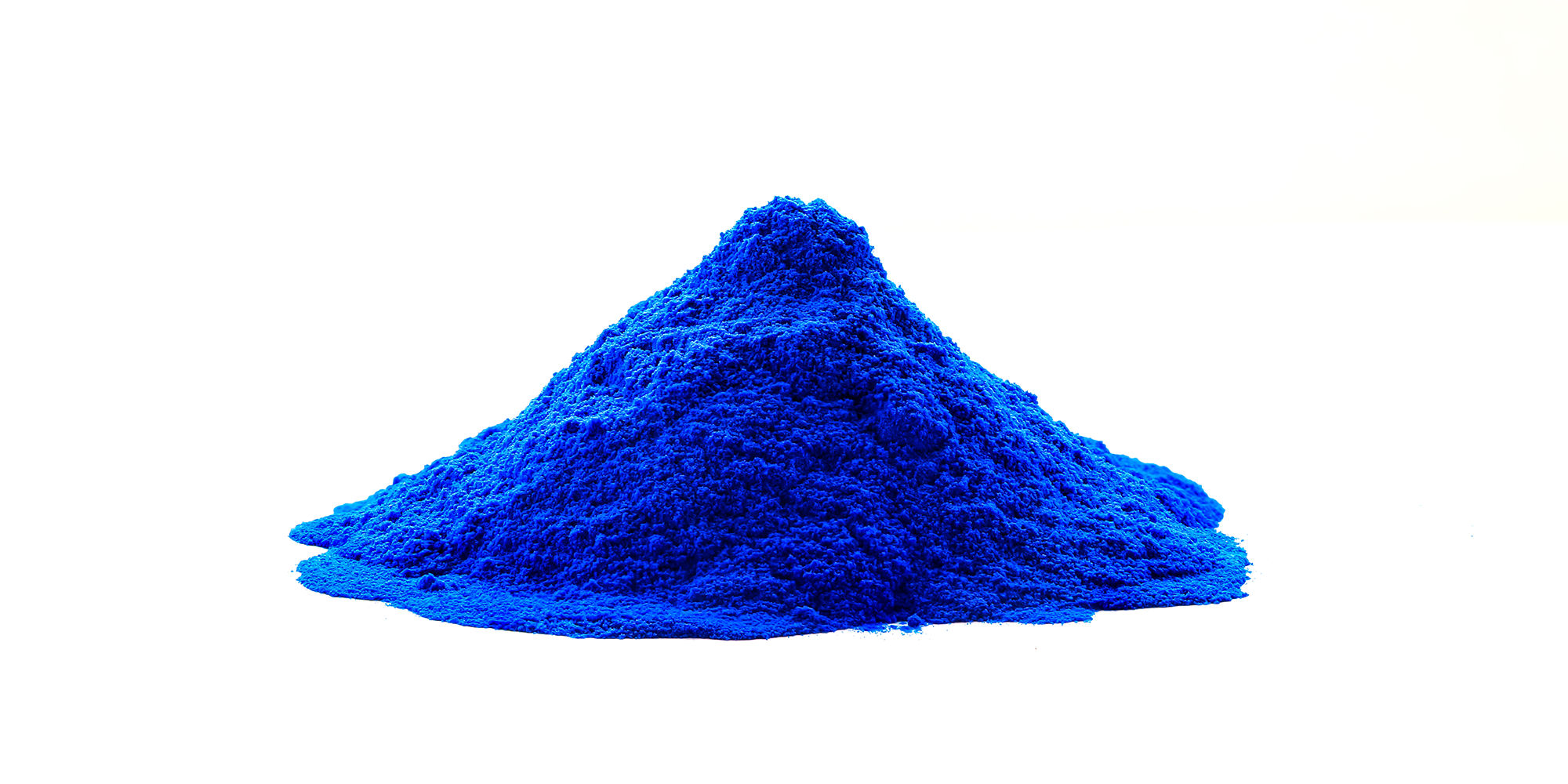
Accelerated stability testing involves exposing the product to controlled stress conditions, such as elevated temperatures, high humidity, and intense light, to simulate the effects of long-term storage within a shorter time frame. By observing how Phycocyanin / Blue Spirulina degrades under these extreme conditions, manufacturers can predict the product’s shelf-life more efficiently than waiting for real-time aging. This method allows Blue Spirulina manufacturers in India to identify potential stability issues, optimize formulation, and improve packaging solutions that protect the product from environmental factors.
Environmental stress testing
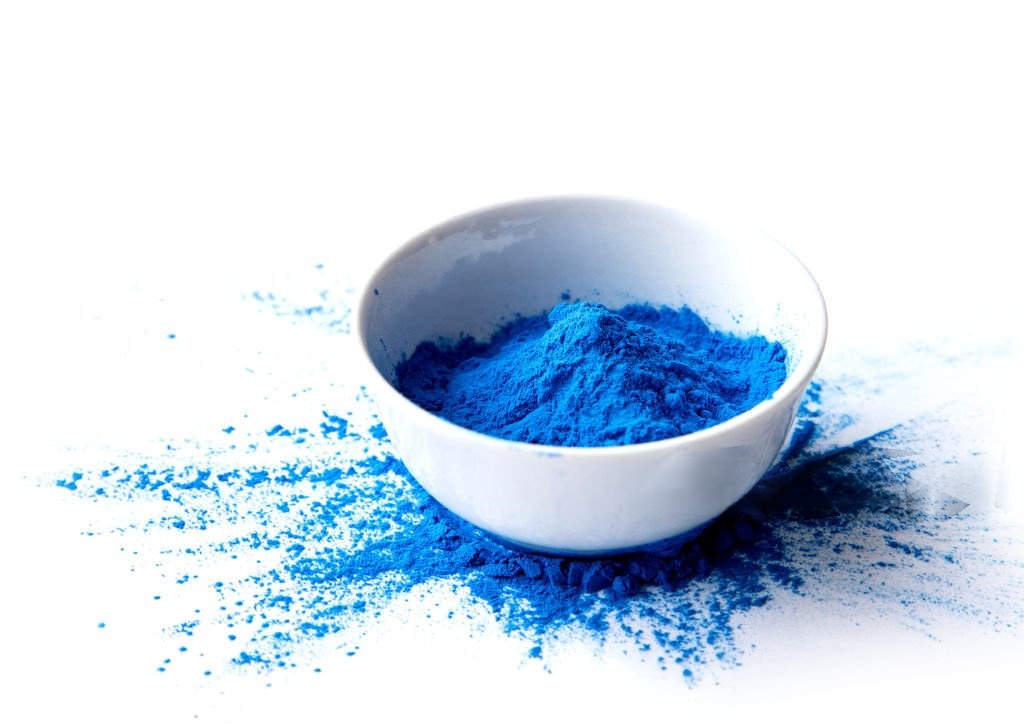
For Blue Spirulina manufacturers in India, ensuring the stability of Phycocyanin / Blue Spirulina under various environmental conditions is a crucial part of product development. Environmental stress testing is a scientific approach used to evaluate how external factors such as temperature, humidity, light exposure, and oxygen levels affect the integrity, color, and bioactivity of this sensitive pigment.
During these tests, Phycocyanin / Blue Spirulina samples are deliberately exposed to extreme conditions to simulate potential storage and transport scenarios. By monitoring changes in color intensity, solubility, and antioxidant activity, manufacturers can identify the specific conditions that lead to degradation. This information allows Blue Spirulina manufacturers in India to optimize packaging solutions, recommend proper storage conditions, and set accurate shelf-life periods, ensuring that consumers receive a product that maintains its potency, safety, and vibrant blue color throughout its intended use.
Packaging influence on shelf life
For Blue Spirulina manufacturers in India, effective packaging plays a crucial role in maintaining the stability and quality of their products. Phycocyanin / Blue Spirulina, the natural pigment responsible for the bright blue color and antioxidant properties, is highly sensitive to environmental factors such as light, oxygen, and moisture. Without appropriate packaging, these factors can accelerate degradation, leading to color loss, reduced potency, and shortened shelf life.
Scientific studies show that packaging materials, barrier properties, and storage conditions collectively influence how long Phycocyanin / Blue Spirulina retains its bioactive properties. By selecting the right packaging solutions, such as UV-protective, moisture-resistant, and airtight containers, Blue Spirulina manufacturers in India can significantly extend product shelf life, ensure consumer safety, and preserve the functional benefits that make this superfood highly sought after.
Microbial shelf-life analysis
For Blue Spirulina manufacturers in India, ensuring that Phycocyanin / Blue Spirulina remains free from microbial contamination is a critical aspect of shelf-life validation. Microbial shelf-life analysis evaluates the product’s susceptibility to bacteria, yeast, and mold over time, which can affect both safety and quality. This testing is particularly important for Phycocyanin / Blue Spirulina, as its high protein content and natural pigments can create a favorable environment for microbial growth if not properly handled.
The analysis typically involves storing samples under controlled conditions and periodically testing them for total microbial counts, as well as the presence of specific pathogens. Standard protocols, such as those outlined by the Food Safety and Standards Authority of India (FSSAI) and international guidelines, are employed to ensure reliability. Results from microbial shelf-life studies help Blue Spirulina manufacturers in India determine safe storage conditions, packaging requirements, and recommended expiration dates, ensuring that consumers receive a product that is both safe and retains its nutritional and visual quality throughout its shelf-life.
Color & Potency Monitoring
For Blue Spirulina manufacturers in India, ensuring compliance with national and international food regulations is a critical step in establishing credibility and trust. Regulatory alignment involves adhering to food safety standards, labeling norms, and permissible limits for naturally derived compounds, particularly when dealing with Phycocyanin / Blue Spirulina, the vibrant pigment that defines the product. By implementing rigorous quality control measures, documenting sourcing and extraction processes, and conducting routine laboratory testing, manufacturers not only meet legal requirements but also reinforce their clean-label commitment. This careful alignment allows products to reach both domestic and global markets confidently, reassuring consumers that the Blue Spirulina / Phycocyanin they consume is safe, natural, and of premium quality.
Documentation of results
For Blue Spirulina manufacturers in India, systematic documentation of stability testing results is a critical step in ensuring product quality and regulatory compliance. During shelf-life studies, every observation regarding the stability of Phycocyanin / Blue Spirulina—including changes in color, potency, solubility, and microbial activity—is carefully recorded. This documentation not only provides a transparent record of how the product behaves under different environmental conditions but also serves as scientific evidence to support labeling, storage instructions, and expiration dates.
Proper documentation typically involves detailed reports, including experimental conditions, measurement techniques, and statistical analyses of data. For Blue Spirulina manufacturers in India, these records are essential for internal quality assurance as well as audits by regulatory authorities. Accurate and thorough documentation ensures that the stability claims of Phycocyanin / Blue Spirulina products are credible, reproducible, and aligned with industry standards, ultimately enhancing consumer trust and product reliability.
Regulatory expectations
For Blue Spirulina manufacturers in India, adhering to regulatory standards is essential to ensure product safety, quality, and market credibility. Regulatory authorities focus on maintaining the stability and purity of Phycocyanin / Blue Spirulina, given its sensitive bioactive nature and widespread use in health supplements, beverages, and functional foods.
Manufacturers are expected to conduct comprehensive stability testing, document all quality control measures, and comply with guidelines related to labeling, storage, and shelf-life declaration. These expectations include validating that the vibrant blue pigment, Phycocyanin / Blue Spirulina, retains its potency and color under normal storage conditions throughout the claimed shelf-life.
Additionally, regulators require detailed reports on manufacturing processes, raw material sourcing, and the use of preservatives or additives. Meeting these standards not only ensures consumer safety but also enhances the reputation of Blue Spirulina manufacturers in India, enabling them to compete effectively in both domestic and international markets.
Shelf-life optimization
For Blue Spirulina manufacturers in India, ensuring the long-term stability and potency of Phycocyanin / Blue Spirulina is a critical challenge. This naturally vibrant pigment is highly sensitive to environmental factors such as light, heat, and oxygen, which can lead to degradation over time. Effective shelf-life optimization involves a combination of scientific strategies and manufacturing practices aimed at preserving the color, nutritional value, and bioactivity of the product throughout its intended storage period.
By carefully analyzing how Phycocyanin / Blue Spirulina responds to various storage conditions, manufacturers can implement targeted interventions—such as optimized packaging, controlled temperature storage, and the addition of natural stabilizers—to prolong product life. For Blue Spirulina manufacturers in India, these optimization practices not only enhance product quality but also build consumer trust, ensuring that each batch delivers the full health benefits that this superfood is known for.
1. How is shelf life determined?
2. What affects stability most?
3. Are accelerated tests reliable?
4. Can shelf life be extended?
5. Do buyers receive validation data?
Algology — microalgae manufacturer & exporter in India
Explore our solutions: Spirulina Manufacturers in India · Blue Spirulina Manufacturers in India · Phycocyanin Manufacturers in India.