
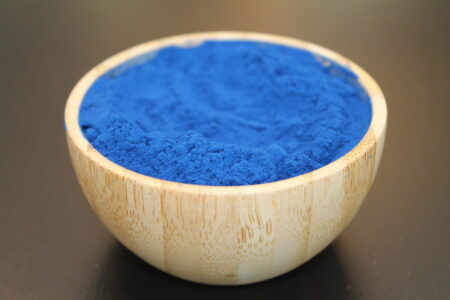
Maximizing phycocyanin output without compromising quality.
In recent years, the demand for natural superfoods and high-value pigments has surged, placing Blue Spirulina manufacturers in India at the forefront of innovative cultivation practices. Among the bioactive compounds in Spirulina, phycocyanin, the vibrant blue pigment, has gained significant attention for its antioxidant, anti-inflammatory, and nutraceutical properties. Maximizing phycocyanin / Blue Spirulina output without compromising quality is a critical challenge, requiring a delicate balance of controlled growth conditions, nutrient optimization, and advanced harvesting techniques. By adopting targeted yield optimization techniques, Indian manufacturers are not only enhancing productivity but also ensuring that the bioactive integrity and purity of Blue Spirulina are maintained, positioning themselves strongly in both domestic and global markets.
Strain selection strategies
One of the most crucial steps in enhancing the production of phycocyanin / Blue Spirulina is the careful selection of the Spirulina strain. Not all strains exhibit the same growth rate, pigment content, or resilience under cultivation conditions. Blue Spirulina manufacturers in India prioritize strains that demonstrate high phycocyanin concentration, rapid biomass accumulation, and adaptability to varying light and temperature conditions. Advanced techniques such as genetic screening, laboratory-scale cultivation trials, and comparative pigment analysis help manufacturers identify superior strains. By focusing on these optimized strains, producers can significantly increase Blue Spirulina yield while maintaining the purity and bioactive quality of phycocyanin, ensuring consistent performance for nutraceutical, food, and cosmetic applications.
Nutrient Optimization
For Blue Spirulina manufacturers in India, fine-tuning nutrient composition is a cornerstone strategy to boost phycocyanin / Blue Spirulina yield. Spirulina’s growth and pigment production are highly sensitive to the availability of macronutrients such as nitrogen, phosphorus, and potassium, as well as trace elements like iron and magnesium. By carefully adjusting these nutrients in the cultivation medium, manufacturers can enhance cell density and stimulate maximum phycocyanin synthesis without affecting the quality of the biomass.
Moreover, the timing and method of nutrient addition play a crucial role. Gradual supplementation ensures steady growth and prevents nutrient shock, which could degrade phycocyanin / Blue Spirulina quality. Many Indian producers also use advanced nutrient monitoring systems, allowing precise control over pH, salinity, and nutrient ratios, ultimately resulting in higher yields of vibrant, high-purity Blue Spirulina suitable for nutraceutical, food, and cosmetic applications.
Light & temperature tuning
For Blue Spirulina manufacturers in India, fine-tuning environmental conditions like light intensity and temperature is crucial for maximizing phycocyanin / Blue Spirulina yield. Phycocyanin production is highly sensitive to light; too much exposure can degrade the pigment, while insufficient light can slow growth. By optimizing light wavelengths and duration, manufacturers can stimulate photosynthesis efficiently, promoting higher pigment accumulation without compromising cell health.
Temperature control is equally important, as Blue Spirulina thrives within a narrow thermal range. Maintaining an optimal temperature ensures that metabolic processes remain active, directly influencing phycocyanin content and overall biomass productivity. Indian producers increasingly employ automated systems to monitor and adjust light and temperature in real-time, achieving consistent, high-quality Blue Spirulina suited for nutraceutical, cosmetic, and food applications.
Harvest timing optimization
For Blue Spirulina manufacturers in India, the timing of harvest plays a pivotal role in determining both yield and quality. Phycocyanin / Blue Spirulina, the key pigment and bioactive component, reaches its peak concentration at specific growth stages. Harvesting too early can result in suboptimal pigment levels, while delaying harvest may compromise the overall quality and bioactive potency. By carefully monitoring growth cycles, light exposure, nutrient availability, and biomass density, manufacturers can strategically time their harvests to maximize phycocyanin content without affecting the purity or safety of the final product. This precise approach ensures that Indian producers remain competitive in global markets while delivering high-quality Blue Spirulina that meets both nutraceutical and consumer standards.
Extraction efficiency methods
For Blue Spirulina manufacturers in India, achieving high extraction efficiency is pivotal to maximizing the yield of phycocyanin / Blue Spirulina without compromising its purity and bioactivity. Phycocyanin, the signature blue pigment of Spirulina, is highly sensitive to temperature, pH, and light, making its extraction a delicate process that requires precision and innovation. To meet growing market demand and maintain product quality, manufacturers are employing advanced extraction techniques that optimize cell disruption, solvent selection, and purification processes. By focusing on efficient and scalable methods, Indian Blue Spirulina manufacturers can enhance phycocyanin recovery, reduce production costs, and deliver a high-quality product that meets both domestic and international standards.
Loss reduction during filtration
For Blue Spirulina manufacturers in India, maintaining maximum yield during production is as important as ensuring the purity of the final product. One of the critical stages where significant losses can occur is during filtration, a process essential for separating biomass from the culture medium while preserving the valuable phycocyanin / Blue Spirulina pigment. Improper techniques or inefficient equipment can lead to reduced pigment concentration, lower product quality, and overall wastage. By implementing advanced loss reduction strategies during filtration, manufacturers can optimize recovery rates, maintain the integrity of phycocyanin / Blue Spirulina, and achieve higher efficiency in production—ultimately boosting both profitability and product consistency in the competitive nutraceutical market.
Process reusability
In the rapidly growing field of microalgae production, process reusability has emerged as a key strategy for improving efficiency and sustainability. For Blue Spirulina manufacturers in India, adopting reusable processes not only reduces production costs but also ensures consistent quality in phycocyanin / Blue Spirulina output. By implementing techniques such as recycling culture media, optimizing bioreactor cycles, and reusing extraction solvents, manufacturers can maximize pigment yield while minimizing resource wastage. This approach allows Indian producers to maintain the high nutritional and bioactive standards of Blue Spirulina, meeting both regulatory requirements and growing market demand for high-quality, sustainable superfoods.
Waste biomass utilization
As the production of Blue Spirulina expands across India, managing leftover biomass efficiently has become a key focus for Blue Spirulina manufacturers in India. After harvesting the valuable phycocyanin / Blue Spirulina pigment, significant portions of residual biomass remain, which, if unmanaged, can lead to waste and increased production costs. Innovative waste biomass utilization strategies allow manufacturers to convert this by-product into high-value resources such as animal feed, biofertilizers, and functional food ingredients, ensuring sustainability while maximizing profitability. By adopting these practices, Blue Spirulina manufacturers in India not only reduce environmental impact but also create additional revenue streams, reinforcing the importance of holistic production approaches in the growing phycocyanin / Blue Spirulina industry.
Data-driven yield monitoring
For Blue Spirulina manufacturers in India, maintaining the potency and purity of Phycocyanin / Blue Spirulina is as crucial as its production. This vibrant blue pigment is highly sensitive to temperature, light, and humidity, making cold-chain storage technology a vital component in the supply chain. By implementing precise temperature-controlled storage systems, manufacturers can prevent degradation of the delicate Phycocyanin compound, ensuring that the end product retains its color, nutritional value, and antioxidant properties.
Continuous process refinement
For Blue Spirulina manufacturers in India, maintaining consistent quality while scaling production is a major priority. Continuous process refinement is a strategic approach that focuses on systematically improving cultivation, harvesting, and extraction methods to maximize phycocyanin / Blue Spirulina yield without compromising its bioactive properties. By analyzing growth patterns, monitoring nutrient levels, and implementing iterative improvements, manufacturers can enhance pigment concentration, optimize resource use, and reduce production losses. This ongoing refinement not only ensures a stable supply of high-quality Blue Spirulina but also strengthens the competitive edge of Indian producers in the global nutraceutical and superfood markets.
1. What affects yield most?
2. Does higher yield reduce quality?
3. Are yields predictable?
4. Can yields be improved over time?
5. Do buyers benefit from yield gains?
Algology — microalgae manufacturer & exporter in India
Explore our solutions: Spirulina Manufacturers in India · Blue Spirulina Manufacturers in India · Phycocyanin Manufacturers in India.