

Critical questions buyers must clarify before committing to supply agreements.
As global demand for natural colorants and functional ingredients continues to rise, Phycocyanin / Blue Spirulina has emerged as a high-value product across food, nutraceutical, cosmetic, and pharmaceutical industries. India has become a key sourcing destination, with several Blue Spirulina manufacturers in India offering competitive pricing, scalable production, and export-ready capabilities. However, not all suppliers operate at the same standards of quality, compliance, or consistency.
Manufacturing vs Trading Clarity
One of the first and most critical distinctions importers must establish is whether a supplier is a true manufacturer or merely a trader. Many companies present themselves as Blue Spirulina manufacturers in India, but in reality operate as intermediaries sourcing Phycocyanin / Blue Spirulina from third-party facilities. While trading partners are not inherently unreliable, the lack of direct control over production can introduce risks related to quality consistency, traceability, and supply continuity. Genuine Blue Spirulina manufacturers in India oversee the entire value chain—from controlled algae cultivation and extraction of Phycocyanin / Blue Spirulina to drying, packaging, and batch testing. This end-to-end involvement allows manufacturers to maintain tighter quality standards, ensure batch-to-batch consistency, and respond quickly to customization or regulatory requirements.
Annual Production Capacity
One of the first operational details importers must confirm when engaging with Blue Spirulina manufacturers in India is their annual production capacity for Phycocyanin / Blue Spirulina. Capacity directly impacts a supplier’s ability to meet consistent order volumes, manage demand fluctuations, and support long-term supply contracts without compromising quality.
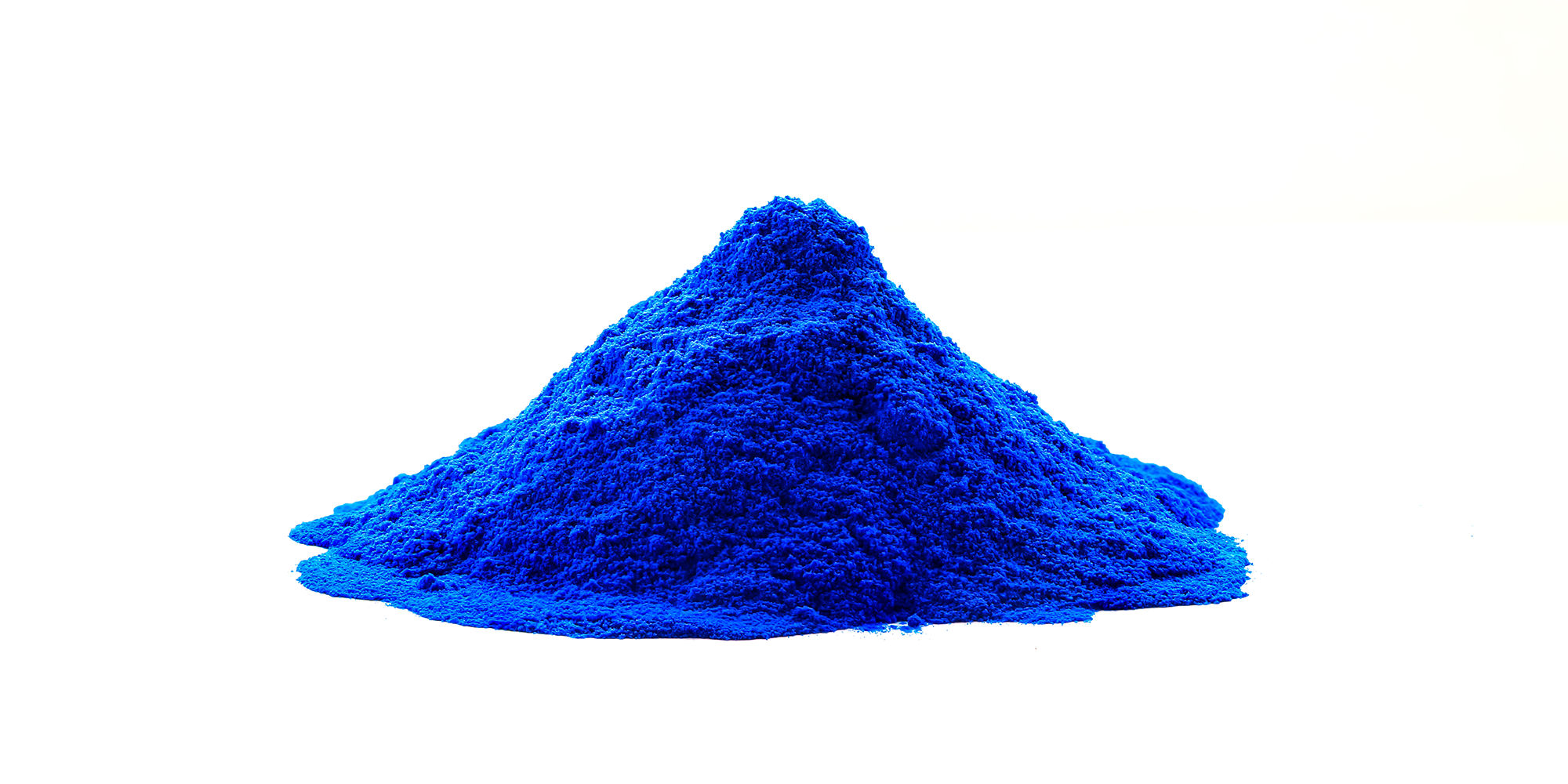
Buyers should ask manufacturers to specify their total yearly output in metric tons, along with a breakdown of capacity utilization. It is equally important to understand whether the stated capacity refers to raw Blue Spirulina biomass or purified Phycocyanin / Blue Spirulina, as extraction yields and purity levels can vary significantly. Manufacturers with scalable infrastructure, multiple cultivation units, and advanced extraction facilities are better positioned to support growing international demand.
Purity & Grade Consistency
One of the most critical factors importers must evaluate when sourcing Phycocyanin / Blue Spirulina is purity and consistency across batches. Variations in protein content, color intensity, or contamination levels can directly affect product formulation, shelf life, and regulatory compliance in destination markets. Therefore, buyers should clearly understand how Blue Spirulina manufacturers in India define, measure, and maintain purity standards.
Importers should ask whether the manufacturer offers food-grade, cosmetic-grade, or pharmaceutical-grade Phycocyanin / Blue Spirulina, and how these grades differ in terms of extraction process, purity percentage, and allowable microbial limits. Consistent specifications—such as phycocyanin concentration, moisture levels, and absence of heavy metals—are essential for repeat orders and long-term supply contracts.
Quality testing protocols
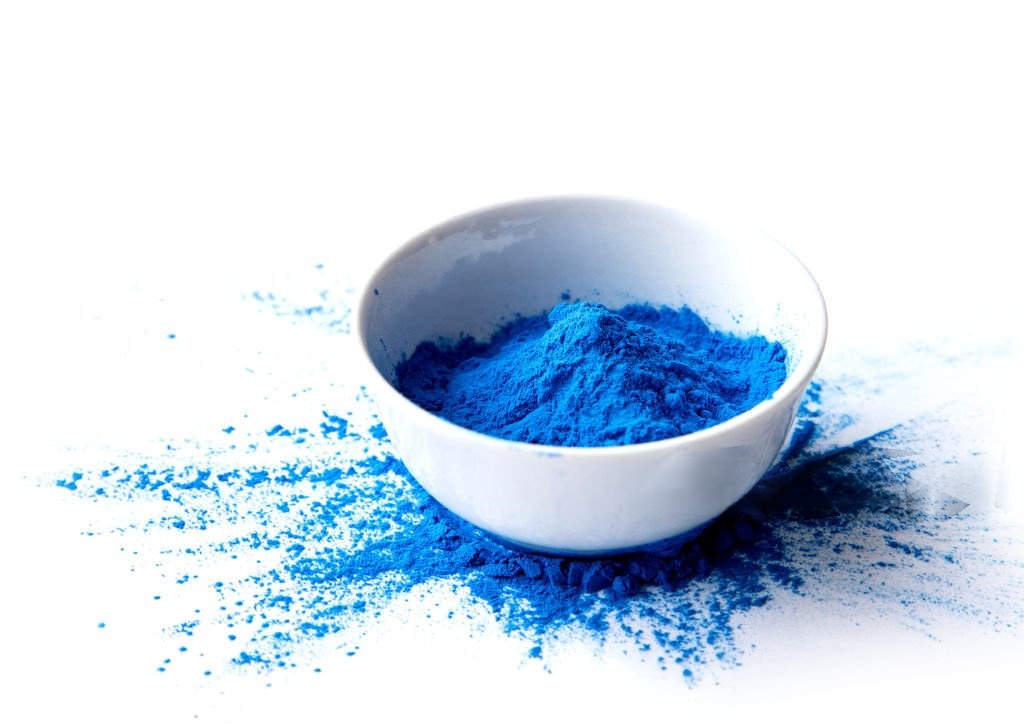
For importers sourcing Phycocyanin / Blue Spirulina, consistent quality and safety are non-negotiable. Reputable Blue Spirulina manufacturers in India follow well-defined quality testing protocols at every stage of production—from cultivation and extraction to drying and final packaging. Buyers should clearly understand these testing standards before finalizing any supply contract.
Key quality checks typically begin with raw material evaluation, ensuring the spirulina biomass is cultivated in controlled, contaminant-free environments. During extraction, manufacturers must test for phycocyanin purity, concentration levels, and color intensity, as these factors directly impact performance in food, beverage, and nutraceutical applications. Reliable Blue Spirulina manufacturers in India often provide batch-wise test reports detailing phycocyanin content, moisture levels, solubility, and pH stability.
Certifications & Renewals
When sourcing Phycocyanin / Blue Spirulina, certifications are more than formalities—they are proof of a manufacturer’s commitment to quality, safety, and global compliance. Importers should carefully evaluate the certifications held by Blue Spirulina manufacturers in India, as these credentials directly affect product acceptance in international markets.
Key questions buyers should ask include whether the manufacturer holds valid certifications such as FSSAI, ISO (22000 or 9001), HACCP, GMP, Organic, Halal, or Kosher, depending on the target market. Just as important is understanding the renewal status of these certifications. Expired or pending renewals can lead to shipment delays, regulatory rejections, or customs complications.
Pricing Structure Transparency
When sourcing Phycocyanin / Blue Spirulina, pricing should never be a black box. Importers must clearly understand how costs are structured when working with Blue Spirulina manufacturers in India, as pricing transparency directly affects long-term profitability and supply stability. Reputable manufacturers should be able to break down pricing components such as raw material cultivation, extraction methods, purity grades, concentration levels, testing protocols, packaging, and export logistics.
Buyers should ask whether pricing varies based on phycocyanin percentage, color value, moisture content, or batch volume. Transparent Blue Spirulina manufacturers in India will also clarify how prices fluctuate due to seasonal biomass availability, energy costs, or changes in regulatory compliance requirements. Hidden costs related to quality testing, certifications, shelf-life stabilization, or customized specifications can significantly impact final landed cost if not addressed upfront.
Food Safety & Hygiene Audits
For global brands, food safety and hygiene audits are a non-negotiable step when evaluating Blue Spirulina manufacturers in India for long-term sourcing. Since Phycocyanin / Blue Spirulina is widely used in food, beverages, nutraceuticals, and cosmetics, even minor lapses in hygiene can impact product purity, color stability, and consumer safety. As a result, international buyers conduct detailed inspections to ensure manufacturers comply with globally recognized food safety standards.
During these audits, buyers closely assess the manufacturing environment, focusing on cleanliness, controlled access zones, and contamination prevention measures. Production areas for Phycocyanin / Blue Spirulina extraction are expected to follow strict hygiene protocols, including sanitized equipment, food-grade contact surfaces, and controlled air and water quality. Buyers also review pest control systems, waste management processes, and employee hygiene practices such as protective clothing, handwashing stations, and health monitoring programs.
MOQ & scalability
For importers evaluating Blue Spirulina manufacturers in India, understanding minimum order quantities (MOQs) and long-term scalability is critical before finalizing a supply contract. Phycocyanin / Blue Spirulina is often used in growing product lines, where demand can increase rapidly once market acceptance is achieved. A manufacturer’s ability to support both small trial orders and large commercial volumes directly affects supply continuity.
Buyers should clarify whether MOQs are flexible for initial sampling, pilot batches, or first-time exports. Some Blue Spirulina manufacturers in India specialize in bulk production but may not accommodate smaller quantities, while others are equipped to support gradual scale-ups. It is equally important to assess how quickly a supplier can ramp up production without compromising purity, color intensity, or protein stability of Phycocyanin / Blue Spirulina.
Lead times & buffers
When sourcing Phycocyanin / Blue Spirulina, understanding realistic production lead times is critical for maintaining uninterrupted supply and meeting market demand. Importers should ask Blue Spirulina manufacturers in India to clearly define their standard lead times—from order confirmation and production to quality testing and final dispatch. Lead times can vary based on extraction method, purity grade, batch size, and seasonal availability of raw spirulina biomass.
Equally important is clarifying whether Blue Spirulina manufacturers in India maintain buffer stocks or operate strictly on a made-to-order basis. Reliable suppliers should be able to explain their inventory planning, safety stock levels, and contingency measures for unexpected demand spikes, equipment downtime, or raw material shortages. Adequate buffers help reduce supply risks, especially for importers serving regulated markets where delays can disrupt product launches or contractual commitments.
Export experience
When sourcing Phycocyanin / Blue Spirulina from international suppliers, export experience is a critical factor that directly affects delivery reliability, documentation accuracy, and regulatory compliance. Established Blue Spirulina manufacturers in India with proven export track records are better equipped to handle the complexities of global trade, including country-specific regulations, customs procedures, and quality expectations.
Importers should assess whether the manufacturer has prior experience exporting Phycocyanin / Blue Spirulina to their target markets, such as the USA, EU, Middle East, or Southeast Asia. Familiarity with international food safety standards, labeling requirements, and documentation—such as Certificate of Analysis (COA), Material Safety Data Sheets (MSDS), phytosanitary certificates, and origin documents—ensures smoother customs clearance and reduced risk of shipment delays.
What are the must-ask questions for buyers?
How can buyers verify the manufacturer’s answers?
Should samples be mandatory before signing a contract?
How should buyers negotiate minimum order quantities (MOQs)?
Which contract terms matter most for importers?
Algology — microalgae manufacturer & exporter in India
Explore our solutions: Spirulina Manufacturers in India · Blue Spirulina Manufacturers in India · Phycocyanin Manufacturers in India.