
How international buyers evaluate Indian manufacturers before long-term sourcing
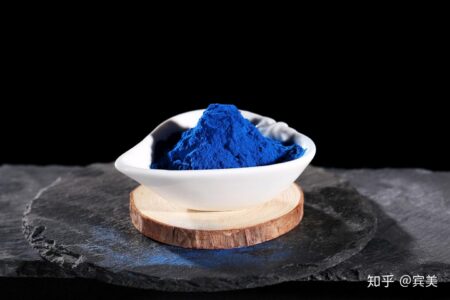
In recent years, Blue Spirulina manufacturers in India have emerged as key players in the global nutraceutical and functional ingredients market. Driven by increasing demand for natural colorants, antioxidants, and high-quality plant-based proteins, international buyers are turning to India’s producers for reliable supplies of Phycocyanin / Blue Spirulina, a vibrant blue pigment derived from Arthrospira platensis known for its potent health benefits and clean-label appeal. However, securing a long-term sourcing partnership requires much more than a simple price negotiation. Global brands undertake rigorous audits to evaluate Indian manufacturers’ capabilities, quality systems, regulatory compliance, and sustainability practices before committing to extended contracts.
Initial Supplier Screening Criteria
Before initiating detailed audits or on-site inspections, global brands begin with an initial supplier screening process to shortlist reliable Blue Spirulina manufacturers in India. This preliminary evaluation helps international buyers filter manufacturers who demonstrate the technical capability, regulatory readiness, and production scale required for consistent Phycocyanin / Blue Spirulina supply. One of the first criteria assessed is the manufacturer’s production background and specialization. Buyers prefer suppliers with proven experience in cultivating Arthrospira platensis and extracting high-purity Phycocyanin / Blue Spirulina using controlled, food-grade processes. Manufacturers are expected to clearly outline their cultivation methods, extraction techniques, and annual production capacity to demonstrate scalability and reliability.
Facility Audits & Plant Inspections
For global brands, facility audits and plant inspections are a critical step when evaluating Blue Spirulina manufacturers in India for long-term sourcing. Since Phycocyanin / Blue Spirulina is a high-value, sensitive ingredient, international buyers expect production environments that meet global food, nutraceutical, and pharmaceutical standards. These audits are designed to verify whether a manufacturer’s infrastructure can consistently deliver safe, high-purity products at scale.
During on-site inspections, buyers closely assess the overall plant layout, hygiene controls, and segregation of production areas. Dedicated zones for cultivation, harvesting, extraction, drying, and packaging are essential to prevent cross-contamination. Leading Blue Spirulina manufacturers in India are expected to maintain controlled environments, cleanroom protocols where applicable, and documented sanitation procedures aligned with GMP and ISO standards.
Raw Material Traceability Checks
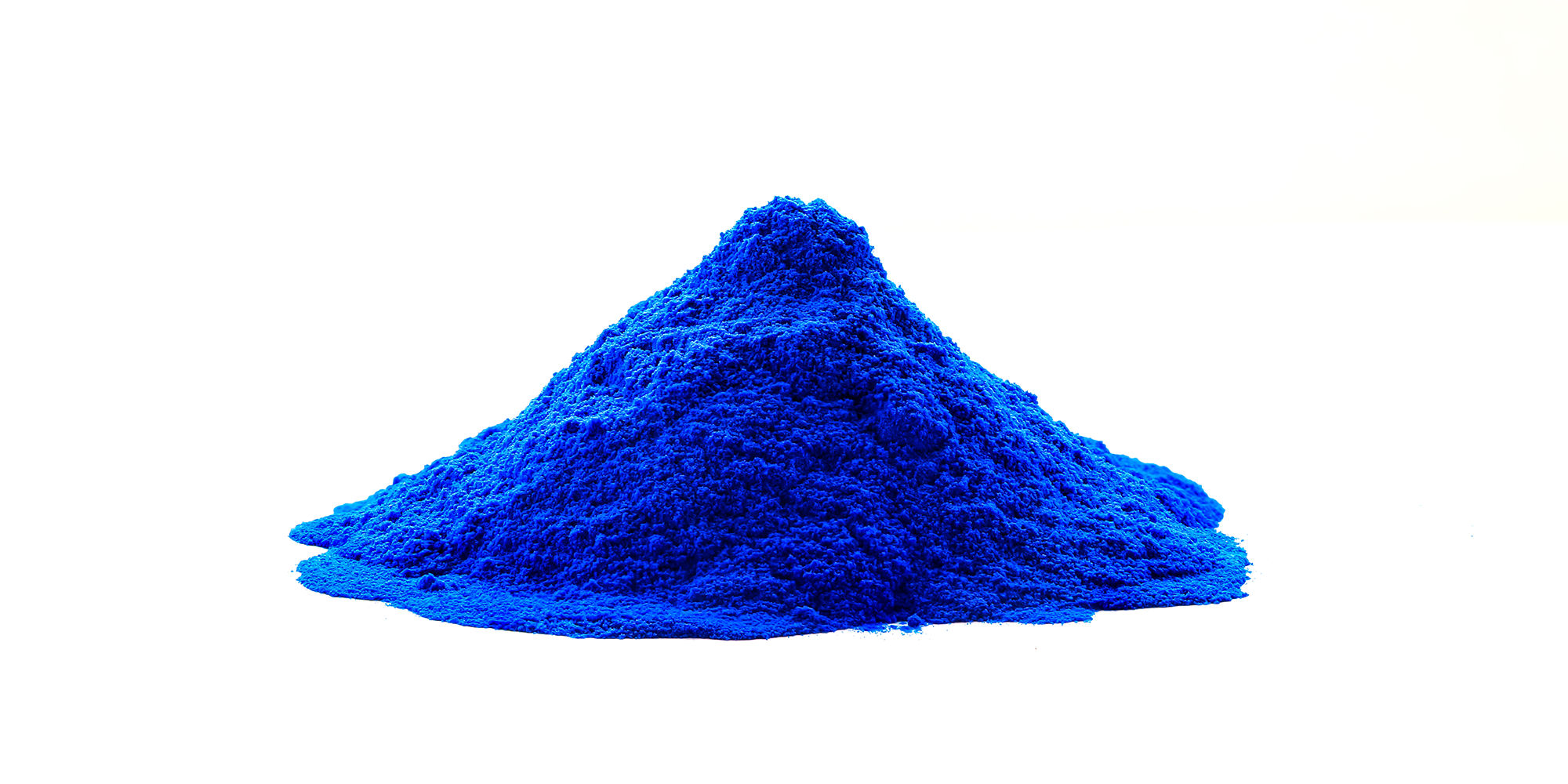
For international buyers, raw material traceability is one of the most critical audit parameters when evaluating Blue Spirulina manufacturers in India. Since Phycocyanin / Blue Spirulina is derived from Arthrospira platensis, buyers need complete visibility into how and where the algae is cultivated, harvested, and processed. Global brands prioritize manufacturers who can demonstrate end-to-end traceability—from strain selection and cultivation conditions to final extraction and packaging.
Quality Documentation Review
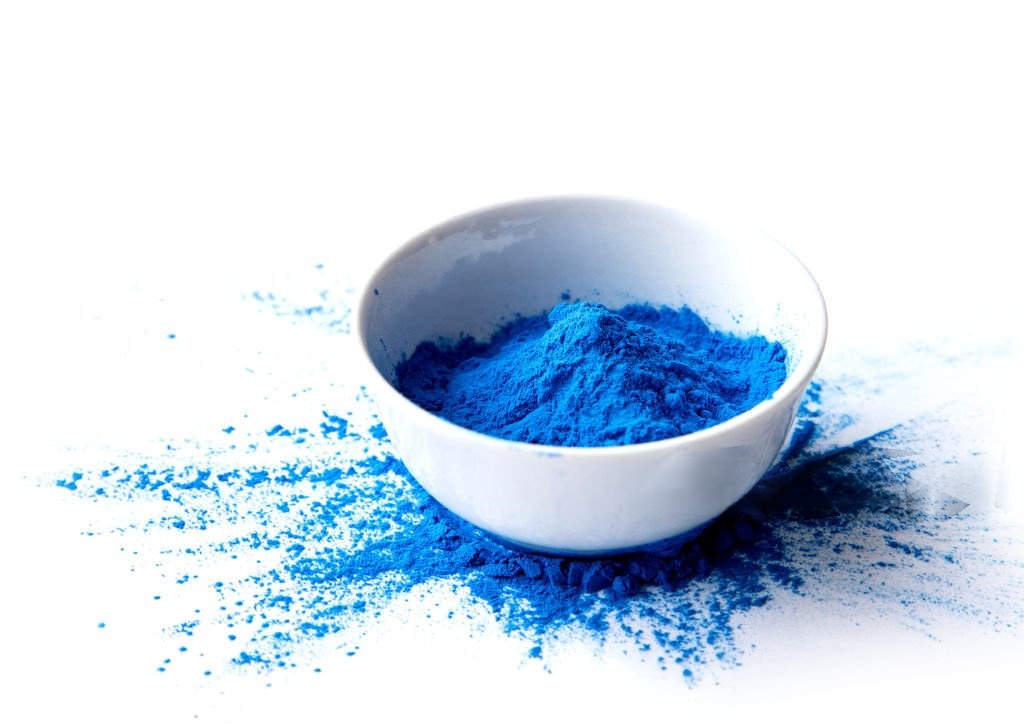
For global brands sourcing specialized ingredients, a thorough quality documentation review is the first and most critical step when auditing Blue Spirulina manufacturers in India. International buyers rely on documented evidence to verify that Phycocyanin / Blue Spirulina is produced consistently, safely, and in compliance with global regulatory standards. Well-maintained documentation reflects not only technical competence but also a manufacturer’s commitment to transparency and long-term reliability.
During audits, buyers closely examine quality management system records such as Standard Operating Procedures (SOPs), batch manufacturing records, and quality control protocols specific to Phycocyanin / Blue Spirulina extraction and purification. These documents help auditors confirm that production processes are standardized, validated, and capable of delivering consistent pigment concentration, color stability, and microbiological safety across batches.
Process Validation Methods
For global brands, process validation is a critical checkpoint when auditing Blue Spirulina manufacturers in India. Since Phycocyanin / Blue Spirulina is a sensitive bioactive compound, even minor variations in cultivation, extraction, or drying can impact color intensity, purity, and stability. International buyers therefore closely examine how manufacturers validate each stage of their production process to ensure consistent quality across batches.
Auditors typically begin by reviewing documented validation protocols covering cultivation conditions, harvesting cycles, and biomass handling. Reputable Indian manufacturers demonstrate control over key parameters such as water quality, light exposure, temperature, and nutrient composition, all of which directly influence phycocyanin yield and concentration. Validation records are expected to show repeatable outcomes under defined conditions, supported by historical batch data.
Batch Consistency Evaluation
For global brands, batch consistency is one of the most critical parameters when auditing Blue Spirulina manufacturers in India. Since Phycocyanin / Blue Spirulina is used in sensitive applications such as nutraceuticals, beverages, cosmetics, and functional foods, even minor variations in color intensity, purity, or stability can impact product performance and brand reputation. International buyers therefore conduct detailed evaluations to ensure manufacturers can deliver uniform quality across multiple production batches over long-term supply agreements.
Food Safety & Hygiene Audits
For global brands, food safety and hygiene audits are a non-negotiable step when evaluating Blue Spirulina manufacturers in India for long-term sourcing. Since Phycocyanin / Blue Spirulina is widely used in food, beverages, nutraceuticals, and cosmetics, even minor lapses in hygiene can impact product purity, color stability, and consumer safety. As a result, international buyers conduct detailed inspections to ensure manufacturers comply with globally recognized food safety standards.
During these audits, buyers closely assess the manufacturing environment, focusing on cleanliness, controlled access zones, and contamination prevention measures. Production areas for Phycocyanin / Blue Spirulina extraction are expected to follow strict hygiene protocols, including sanitized equipment, food-grade contact surfaces, and controlled air and water quality. Buyers also review pest control systems, waste management processes, and employee hygiene practices such as protective clothing, handwashing stations, and health monitoring programs.
ESG & Sustainability Assessment
For global brands, ESG performance is no longer optional—it is a core part of how international buyers evaluate Blue Spirulina manufacturers in India before entering long-term sourcing agreements. Environmental responsibility, social accountability, and ethical governance directly influence brand reputation, regulatory compliance, and supply chain resilience, especially when sourcing sensitive ingredients like Phycocyanin / Blue Spirulina.
From an environmental standpoint, buyers closely examine how Indian manufacturers manage water usage, energy consumption, and waste generation during spirulina cultivation and phycocyanin extraction. Since Phycocyanin / Blue Spirulina production is resource-intensive, manufacturers are expected to adopt sustainable practices such as closed-loop water systems, renewable energy integration, and eco-friendly extraction methods that minimize chemical residues and environmental impact.
Compliance with Global Regulations
For international buyers, regulatory compliance is one of the most critical factors when evaluating Blue Spirulina manufacturers in India for long-term sourcing. Since Phycocyanin / Blue Spirulina is widely used in nutraceuticals, functional foods, beverages, and cosmetics, manufacturers must align their production processes with multiple global regulatory frameworks to ensure safety, quality, and market acceptance.
Global brands typically assess whether Indian manufacturers comply with internationally recognized standards such as FSSAI, US FDA, EFSA, ISO, GMP, and HACCP. These certifications demonstrate that the cultivation of spirulina, extraction of phycocyanin, and final product handling follow strict hygiene, quality control, and documentation protocols. Auditors closely review compliance records, standard operating procedures, and batch traceability to confirm that Phycocyanin / Blue Spirulina meets global purity and safety benchmarks.
Post-Audit Corrective Action Plans
For international buyers, an audit does not end with the final checklist—it continues through the implementation of post-audit corrective action plans (CAPs). Global brands expect Blue Spirulina manufacturers in India to respond systematically to audit findings, demonstrating a strong commitment to continuous improvement, compliance, and product integrity. These corrective action plans play a critical role in determining whether a manufacturer is approved for long-term sourcing of Phycocyanin / Blue Spirulina.
Typically, audit observations are categorized as minor, major, or critical, each requiring a structured response within defined timelines. Indian manufacturers are expected to submit documented corrective actions that clearly outline the root cause of each non-conformance, the steps taken to address it, and preventive measures to avoid recurrence. For Phycocyanin / Blue Spirulina, this may include improvements in hygiene controls, process validation for extraction and drying, enhanced microbial testing, or tighter controls on batch traceability.
How do global brands audit suppliers?
What documents are reviewed?
How often are audits conducted?
Are third-party audits mandatory?
Can audits be done remotely?
Algology — microalgae manufacturer & exporter in India
Explore our solutions: Spirulina Manufacturers in India · Blue Spirulina Manufacturers in India · Phycocyanin Manufacturers in India.