

Sunlight & Temperature Advantages
Sunlight and temperature are two of the most important factors in producing high-quality Phycocyanin / Blue Spirulina. Blue Spirulina manufacturers in India benefit greatly from the country’s tropical and subtropical climate, which provides long hours of natural sunlight throughout the year. This consistent light exposure supports efficient photosynthesis, allowing spirulina to grow faster and develop a higher concentration of blue pigment.
India’s warm and stable temperature range is ideal for spirulina cultivation, as the algae thrive best in moderate heat. Unlike colder regions that require artificial heating, Indian manufacturers can maintain optimal growth conditions naturally. This reduces energy costs while preserving the purity, color strength, and nutritional value of Phycocyanin / Blue Spirulina.
Water Alkalinity Conditions
Water alkalinity is a key factor in the successful cultivation of Phycocyanin / Blue Spirulina. Spirulina thrives in alkaline water with a higher pH level, as these conditions support healthy algae growth while limiting the presence of harmful microorganisms. This makes water quality management essential for consistent pigment yield and product purity. Many Blue Spirulina manufacturers in India benefit from naturally alkaline water sources and mineral-rich environments. These conditions help maintain stable cultivation ponds, allowing spirulina to grow efficiently and produce a higher concentration of phycocyanin. Proper alkalinity also improves color brightness and reduces contamination risks during harvesting. Synthetic blue food colors are chemically produced pigments designed to deliver strong, stable color at a low cost. While they offer consistency and heat stability, many synthetic dyes face growing regulatory restrictions and consumer resistance due to concerns about long-term health effects and artificial additives on ingredient labels.
Open Pond vs Controlled Cultivation
Blue Spirulina manufacturers in India commonly use two main cultivation methods: open pond systems and controlled (closed or semi-closed) cultivation. Each method impacts the quality, purity, and yield of Phycocyanin / Blue Spirulina.
Open pond cultivation is a traditional and cost-effective method that uses natural sunlight and ambient temperatures. This approach is widely adopted in regions with stable climates. While open ponds allow large-scale production at lower costs, they require strict monitoring to prevent contamination from dust, microorganisms, or weather changes. For manufacturers focused on bulk production, open pond systems remain a practical option.
Seasonal Production Cycles
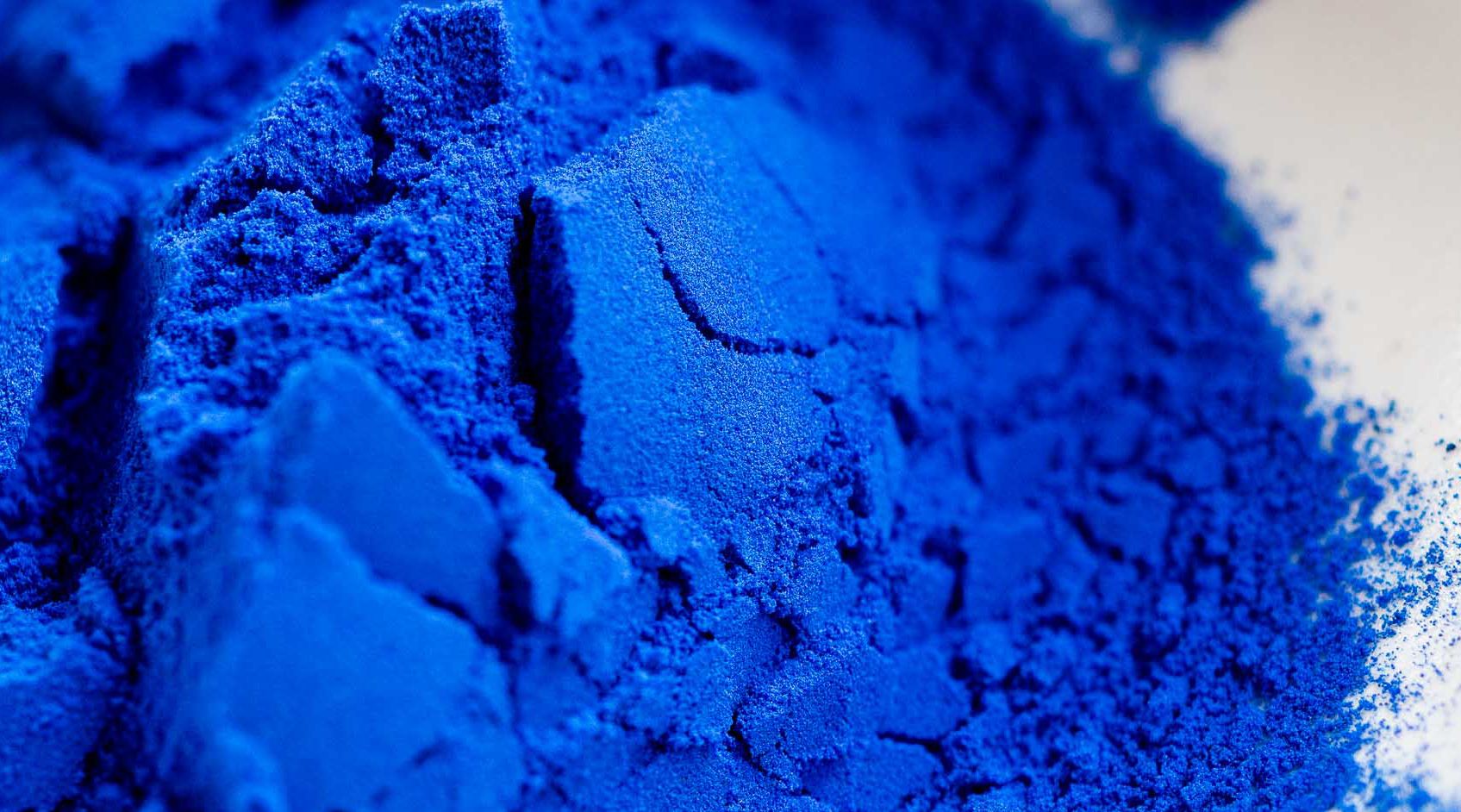
Seasonal changes play an important role in the cultivation and quality of Phycocyanin / Blue Spirulina. For Blue Spirulina manufacturers in India, understanding and managing seasonal production cycles helps maintain consistent quality, color intensity, and yield throughout the year.
India’s climate allows spirulina to be grown in most seasons, especially during summer and early winter, when sunlight hours are longer and temperatures remain stable. These conditions promote faster algae growth and higher phycocyanin concentration. During monsoon seasons, manufacturers take additional care by controlling water quality, contamination risks, and light exposure using covered ponds or indoor cultivation systems.
Climate Impact on Pigment Yield
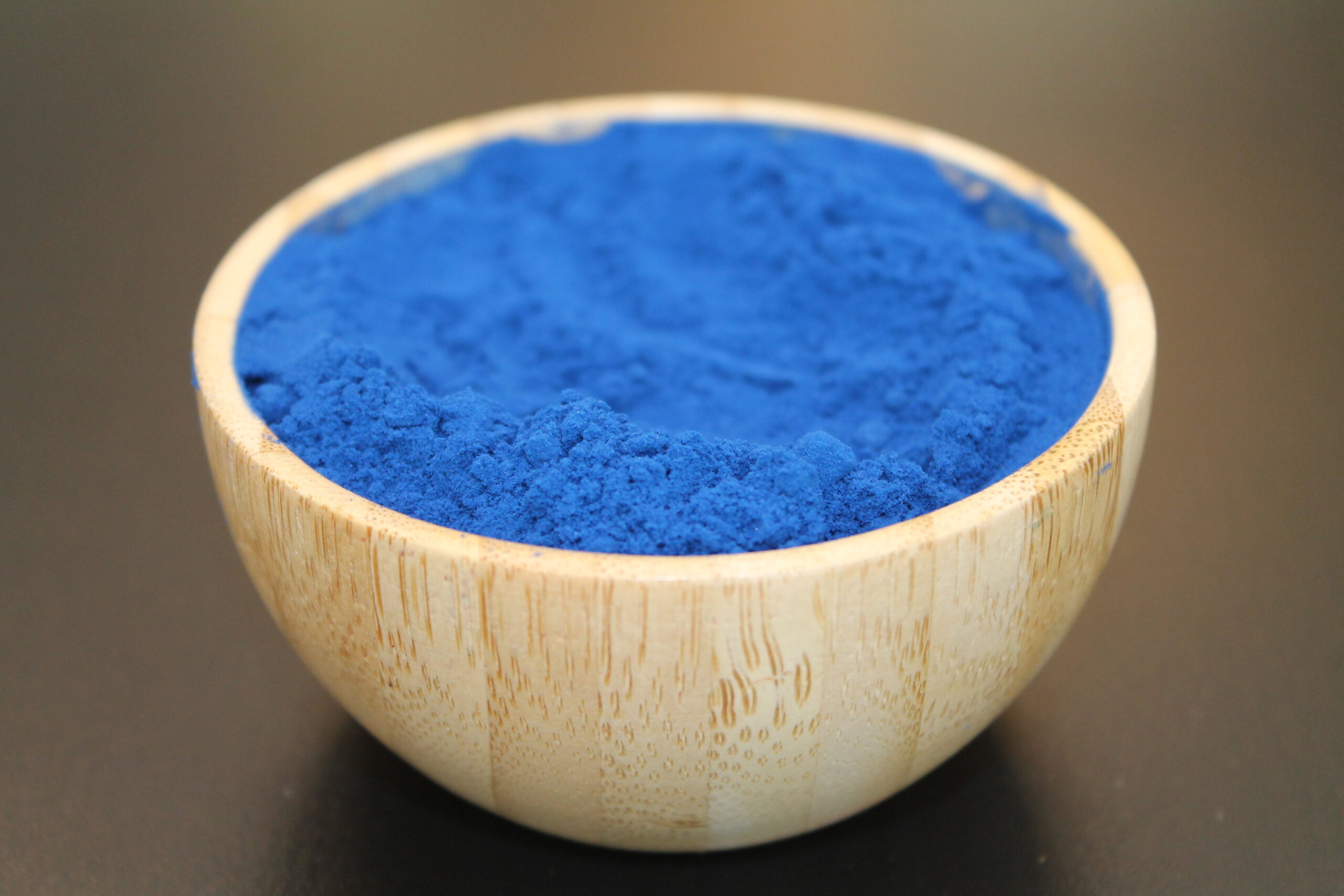
Climate conditions have a direct impact on the pigment yield of Phycocyanin / Blue Spirulina, making geography an important factor for successful production. For Blue Spirulina manufacturers in India, the country’s warm climate, high sunlight availability, and long growing seasons support higher pigment concentration and better product quality.
Phycocyanin production increases when spirulina is grown under optimal light intensity and stable temperatures. India’s tropical climate provides consistent sunlight throughout the year, which enhances photosynthesis and helps algae produce deeper blue pigments. This results in higher phycocyanin yield and stronger color intensity, which is essential for food, nutraceutical, and cosmetic applications.
Regional Productivity Differences
The productivity of Phycocyanin / Blue Spirulina varies significantly across different regions in India, and understanding these differences is essential for Blue Spirulina manufacturers in India aiming for high-quality output. Factors such as local climate, water quality, soil minerals, and sunlight exposure directly influence algae growth rates and pigment concentration.
For example, states like Andhra Pradesh, Tamil Nadu, and Maharashtra have emerged as leading hubs due to their warm temperatures, abundant sunshine, and access to clean freshwater sources. These conditions allow for faster cultivation cycles and higher phycocyanin content, which enhances the intensity and stability of the blue pigment. In contrast, regions with fluctuating temperatures or lower water quality may experience slower growth and reduced pigment yields.
Climate Risk Management
For Blue Spirulina manufacturers in India, effective climate risk management is essential to ensure consistent production of high-quality Phycocyanin / Blue Spirulina. Spirulina cultivation is highly sensitive to environmental changes such as temperature fluctuations, excessive rainfall, or water contamination. Without proper risk mitigation strategies, these factors can directly impact pigment concentration, biomass yield, and overall product quality.
1. Does climate affect phycocyanin content?
2. Which season gives the best yield?
3. Is year-round production possible?
4. How do manufacturers control climate risks?
5. Why does India outperform colder regions?
Algology — microalgae manufacturer & exporter in India
Explore our solutions: Spirulina Manufacturers in India · Blue Spirulina Manufacturers in India · Phycocyanin Manufacturers in India.