
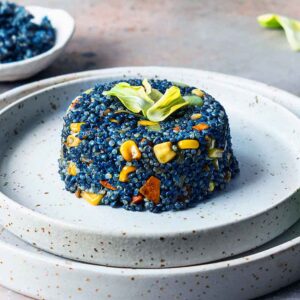
Rising demand for natural cosmetic ingredients
The cosmetic industry is witnessing a significant shift as consumers increasingly prefer products formulated with natural and sustainable ingredients. This trend is driven by growing awareness about skin health, environmental impact, and the potential side effects of synthetic additives. Ingredients derived from natural sources not only appeal to health-conscious buyers but also align with eco-friendly and ethical production practices. Among these, blue spirulina—a vibrant, nutrient-rich microalgae—is gaining attention for its antioxidant, anti-inflammatory, and skin-nourishing properties. Indian manufacturers, leveraging advanced cultivation and extraction techniques, are now capable of supplying high-quality blue spirulina that meets the stringent standards of the global cosmetics market.
For manufacturers in India, ensuring stability means that every batch of blue spirulina maintains consistent quality from production to the end consumer. A stable product guarantees that health claims are delivered reliably, shelf life is maximized, and customer trust is reinforced. In essence, stability isn’t just a technical specification—it defines product performance, efficacy, and market reputation.
Role of Phycocyanin in Cosmetics
Phycocyanin, the vibrant blue pigment extracted from blue spirulina, has emerged as a powerhouse ingredient in modern cosmetics. Renowned for its potent antioxidant and anti-inflammatory properties, phycocyanin helps protect the skin from oxidative stress caused by free radicals, which are a leading factor in premature aging. Its ability to soothe irritated skin makes it suitable for sensitive skin formulations, while its natural pigmentation offers a safe alternative to synthetic colorants in cosmetic products.This sensitivity poses a significant challenge for manufacturers, as even minor deviations during processing, storage, or packaging can compromise the product’s quality. Understanding the natural vulnerabilities of phycocyanin is therefore critical for designing strategies that preserve its stability, ensure consistent product performance, and maximize shelf life. In the context of nutraceuticals, such as blue spirulina, private label manufacturing enables brands to offer high-quality, ready-to-market health ingredients without investing heavily in production facilities, research, or regulatory compliance. The manufacturer handles production, quality testing, and often packaging, while the brand owner controls the product’s identity, packaging design, and marketing strategy. From a regulatory standpoint, global food authorities are tightening norms around synthetic colors. Several artificial dyes face partial bans, warning label requirements, or usage restrictions across regions such as the European Union, the United Kingdom, and parts of Asia. In contrast, regulations continue to evolve, creating compliance challenges for food and beverage manufacturers that rely heavily on synthetic colorants. Constant monitoring, reformulation costs, and the risk of future bans make artificial colors a less sustainable long-term option. Blue spirulina manufacturers in India use standardized analytical methods, such as spectrophotometric absorbance ratios, to classify phycocyanin into different purity grades. Higher purity levels result in a more vibrant blue color, improved stability, and fewer impurities like chlorophyll or residual proteins. These factors are critical when phycocyanin is used in sensitive applications such as functional foods, nutraceuticals, cosmetics, and pharmaceuticals. Understanding phycocyanin purity helps buyers assess product quality, compare suppliers, and select the right grade based on intended use. Whether for natural food coloring or high-value health formulations, purity directly impacts performance, safety, and regulatory compliance.
Skin Benefits of Blue Spirulina
Blue spirulina, rich in phycocyanin and essential nutrients, has emerged as a powerful ingredient in natural skincare formulations. Its benefits for the skin make it a favorite among cosmetic brands and consumers alike:
Antioxidant Protection
Blue spirulina is packed with antioxidants that help neutralize free radicals, which are a major cause of premature skin aging. Regular use of products containing blue spirulina can reduce fine lines, wrinkles, and other signs of oxidative stress.Anti-Inflammatory Properties
The phycocyanin in blue spirulina possesses strong anti-inflammatory effects. This can help soothe irritated skin, reduce redness, and calm conditions like acne or sensitive skin reactions.
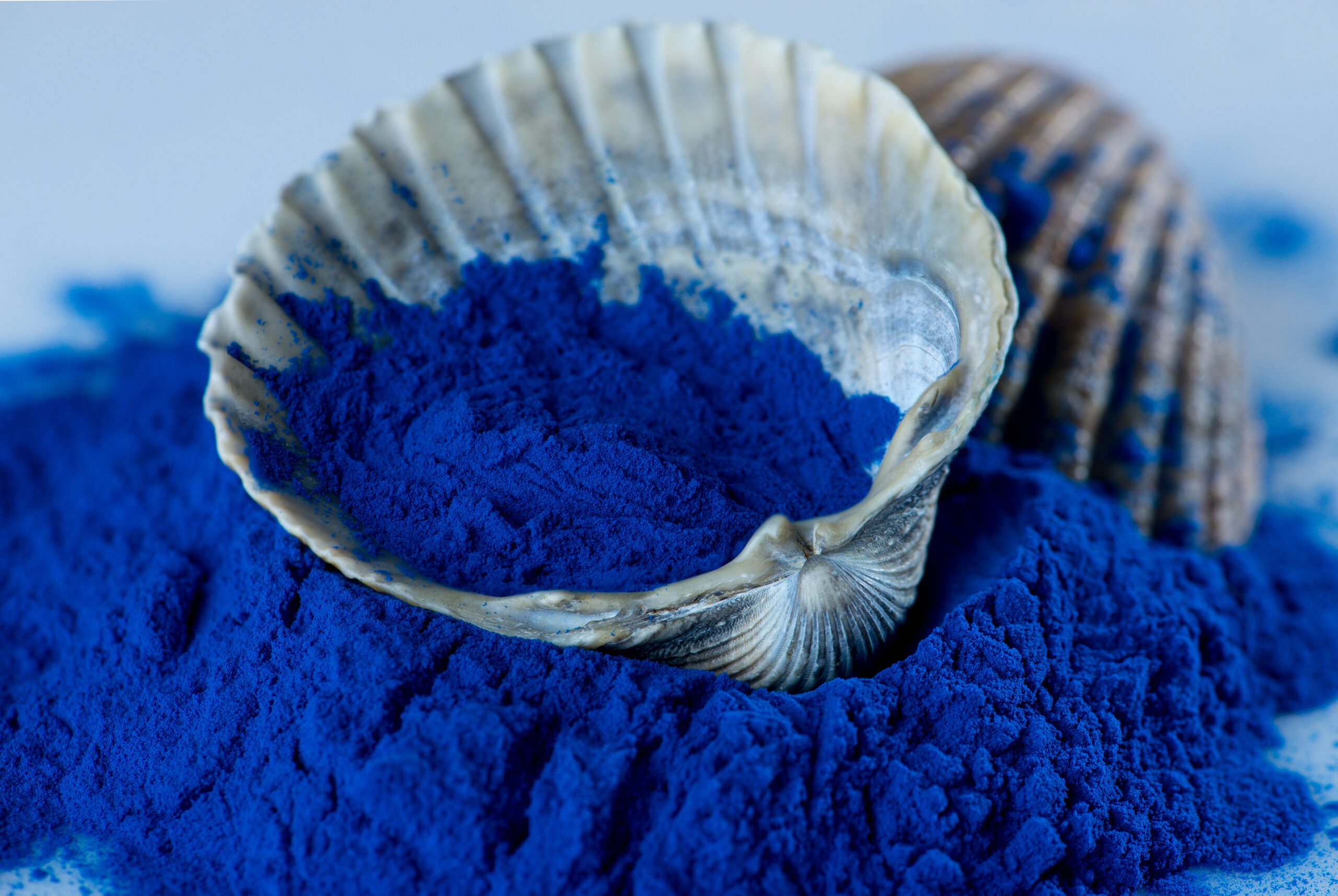
Cosmetic-Grade Quality Requirements
For blue spirulina to be effectively used in cosmetic formulations, it must meet strict cosmetic-grade quality standards. These standards ensure that the ingredient is safe, stable, and effective for topical applications. Key requirements include:
Purity and Safety: Cosmetic-grade blue spirulina must be free from heavy metals, harmful microorganisms, pesticides, and contaminants. Rigorous testing for microbial safety and absence of toxins is essential to prevent skin irritation or allergic reactions.
Standardized Phycocyanin Content: Phycocyanin, the natural blue pigment in spirulina, is responsible for both its color and antioxidant properties. High-quality cosmetic-grade spirulina requires standardized phycocyanin levels to ensure consistent performance in formulations.
Stable Formulation Properties: The ingredient should maintain its color, bioactivity, and texture under typical cosmetic production and storage conditions. Stability ensures that the final product remains effective and visually appealing over time.
Compliance with Regulatory Guidelines: Cosmetic-grade spirulina must adhere to national and international cosmetic regulations, including those set by the FDA, EU Cosmetics Regulation, or the Indian FDA, ensuring it is safe for consumer use
Stability in Creams & Serums
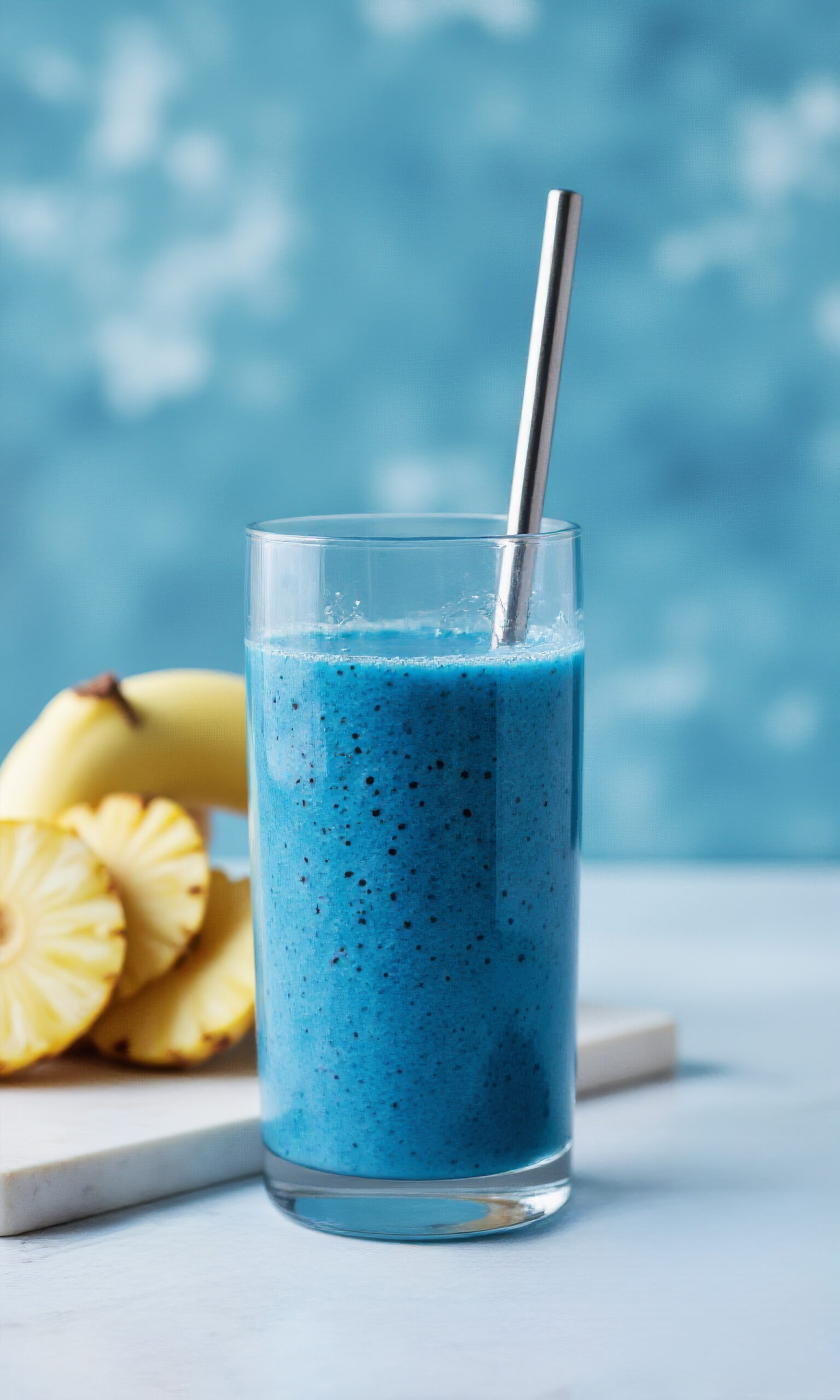
One of the key challenges in formulating cosmetic products is ensuring the stability of active ingredients over time. Blue spirulina, with its delicate phycocyanin pigment, can be sensitive to heat, light, and pH variations. Indian manufacturers have developed specialized extraction and encapsulation techniques that help preserve the color, potency, and bioactivity of blue spirulina in creams and serums. These innovations ensure that the final products maintain their efficacy, vibrant appearance, and shelf life, allowing brands to deliver consistent quality to consumers. By addressing stability concerns, blue spirulina can be effectively incorporated into a wide range of skincare formulations, from moisturizers to anti-aging serums.
Centralized processing involves transporting harvested spirulina from multiple farms to a single, large-scale processing facility. This allows for advanced extraction technologies, stringent quality control, and economies of scale, making it ideal for high-volume production and consistent global supply.
Natural Color Applications
In the cosmetics industry, color plays a crucial role in product appeal, and there is a growing shift toward naturally derived pigments. Synthetic dyes, though vibrant, often raise concerns related to skin irritation, allergies, and environmental impact. Natural colorants, on the other hand, offer a safer and eco-friendly alternative, combining aesthetic appeal with functional benefits.
Blue spirulina, rich in phycocyanin, is emerging as a preferred natural colorant. Its intense blue hue can be used in a variety of cosmetic products, from lip balms and eye shadows to soaps and lotions. Beyond its visual appeal, phycocyanin brings additional antioxidant and anti-inflammatory properties, enhancing the skin-nourishing potential of the product. Indian manufacturers are now producing standardized, high-purity blue spirulina extracts that are stable in cosmetic formulations, making it easier for brands to incorporate this vibrant natural pigment without compromising quality or safety.
Rising Demand for Natural Cosmetic Ingredients
The global beauty industry is undergoing a transformation, with clean beauty trends taking center stage. Modern consumers are increasingly seeking products that are free from harmful chemicals, synthetic additives, and artificial colors, opting instead for ingredients that are natural, safe, and environmentally friendly. This shift is fueled by greater awareness of skin health, sustainability, and ethical sourcing practices. Among emerging natural ingredients, blue spirulina—a nutrient-dense microalgae—is standing out for its vibrant color, antioxidant properties, and skin-friendly benefits. Indian manufacturers are now at the forefront of producing high-quality blue spirulina tailored for the cosmetic sector, catering to both domestic demand and international clean beauty markets.
During storage and transportation, temperature-controlled environments—typically between 2°C to 8°C for extracts and slightly cooler for bulk powders—are essential to prevent degradation of phycocyanin, the key pigment responsible for both its color and antioxidant properties. Advanced refrigeration units, insulated packaging, and real-time temperature monitoring systems are commonly used to ensure that the product remains stable from farm to processing facilities and finally to distribution centers.
Compliance with Cosmetic Regulations
For blue spirulina to be used safely and effectively in cosmetic products, manufacturers must adhere to stringent regulatory standards. Cosmetic regulations vary across markets, with authorities such as the U.S. FDA, the European Cosmetics Regulation (EC) No. 1223/2009, and the Indian CDSCO providing guidelines on ingredient safety, purity, labeling, and permissible usage levels. Indian manufacturers have increasingly invested in compliance infrastructure, ensuring that their blue spirulina extracts are free from contaminants, heavy metals, and microbial impurities. By implementing rigorous quality control protocols and obtaining necessary certifications, these manufacturers can supply products that meet both domestic and international regulatory requirements, giving cosmetic brands confidence in product safety and efficacy.
Private Label Cosmetic Supply
The global cosmetics industry is increasingly embracing private label products, allowing brands to offer unique, high-quality formulations without investing in in-house manufacturing. This approach is especially appealing as consumers demand natural, sustainable, and effective ingredients in their skincare and beauty products. Blue spirulina, a nutrient-dense microalgae known for its antioxidant and anti-inflammatory properties, has emerged as a popular choice among cosmetic formulators. Indian manufacturers are now well-equipped to supply premium blue spirulina for private label cosmetics, providing brands with ready-to-use, natural solutions that meet international quality standards and help them stay ahead in a competitive market.
Export Opportunities in Beauty Industry
The global beauty industry is expanding at an unprecedented pace, driven by rising consumer demand for innovative, high-quality, and natural products. With increasing awareness of skincare, haircare, and wellness solutions, markets worldwide are actively seeking ingredients and formulations that offer both efficacy and sustainability. This presents a significant opportunity for manufacturers and exporters, especially in countries like India, where expertise in natural ingredients, cosmetics production, and cost-effective manufacturing is well established. By tapping into international markets, beauty brands can not only diversify their revenue streams but also establish a global presence, catering to the growing appetite for natural, ethical, and high-performance cosmetic products.
1. Is blue spirulina safe for skin?
2. Does it stain skin?
3. Is cosmetic-grade different from food-grade?
4. Can it be used in soaps?
5. Is it suitable for sensitive skin?
Algology — microalgae manufacturer & exporter in India
Explore our solutions: Spirulina Manufacturers in India · Blue Spirulina Manufacturers in India · Phycocyanin Manufacturers in India.