
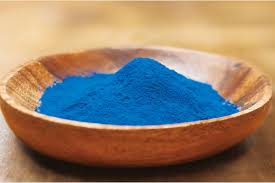
Behind-the-scenes of algae manufacturing
Blue spirulina, a vibrant blue-green algae packed with nutrients, has surged in popularity across India and the global market. While it promises health benefits and commercial opportunities, producing high-quality blue spirulina is far from straightforward. Behind the mesmerizing blue powder lies a complex journey of cultivation, extraction, and quality control that manufacturers navigate every day. From climate challenges and contamination risks to technological constraints and stringent regulatory requirements, the path to consistent production is riddled with obstacles. This blog takes you behind the scenes of algae manufacturing in India, exploring the key challenges faced by blue spirulina producers and the innovative strategies they employ to overcome them.
For manufacturers in India, ensuring stability means that every batch of blue spirulina maintains consistent quality from production to the end consumer. A stable product guarantees that health claims are delivered reliably, shelf life is maximized, and customer trust is reinforced. In essence, stability isn’t just a technical specification—it defines product performance, efficacy, and market reputation.
Cultivation Challenges
Cultivating blue spirulina in India comes with a unique set of challenges that directly impact yield, quality, and profitability. Unlike common crops, blue spirulina is highly sensitive to its environment, and even minor fluctuations can disrupt growth. Some of the major cultivation challenges include: Climate Sensitivity Blue spirulina thrives in warm, stable, and sunny conditions. Extreme temperatures, heavy rainfall, or sudden changes in humidity can stunt growth or cause contamination. Indian regions with unpredictable monsoon patterns or seasonal fluctuations often require additional measures such as controlled ponds or greenhouse setups to maintain optimal growth conditions. Water Quality Management Water is the lifeline of spirulina cultivation. Impurities, pH imbalance, or microbial contamination can affect algae health and the final phycocyanin content. Maintaining clean, nutrient-rich water requires constant monitoring and treatment, which adds to operational costs.
Seasonal Variations
One of the biggest challenges for blue spirulina manufacturers in India is the impact of seasonal variations on algae growth. Spirulina thrives in warm, stable environments with controlled sunlight, temperature, and nutrient levels. However, India’s climate fluctuates dramatically across regions and seasons. Summers may bring excessive heat, while monsoons introduce high humidity and rainfall, which can disrupt cultivation ponds and increase the risk of contamination.

Contamination Risks
One of the biggest challenges in blue spirulina manufacturing is contamination. Since spirulina is cultivated in open or semi-open ponds, it is highly susceptible to contamination from bacteria, fungi, unwanted algae, and even heavy metals from water sources. Even a minor contamination can ruin an entire batch, leading to significant financial losses and compromising product quality.
To tackle this, manufacturers in India adopt stringent monitoring and hygiene practices. Regular testing of water quality, sterilization of cultivation equipment, and maintaining controlled pH and temperature levels help minimize contamination risks. Some advanced facilities even use closed bioreactor systems, which provide a more controlled environment and reduce exposure to external contaminants.
By implementing these precautions, producers ensure that their blue spirulina meets both safety standards and consumer expectations for purity and potency.

Extraction Yield Issues
One of the most critical challenges for blue spirulina manufacturers in India is achieving a consistent and high extraction yield of phycocyanin—the vibrant blue pigment and the main active compound in blue spirulina. The extraction process determines not only the quality and potency of the final product but also the overall profitability of the operation.
Centralized processing involves transporting harvested spirulina from multiple farms to a single, large-scale processing facility. This allows for advanced extraction technologies, stringent quality control, and economies of scale, making it ideal for high-volume production and consistent global supply.
Stability & Shelf Life Constraints
One of the biggest challenges for blue spirulina manufacturers is maintaining its stability and extending its shelf life. Blue spirulina owes its vibrant color and nutritional value to phycocyanin, a pigment-protein complex that is highly sensitive to heat, light, and pH changes. Even minor exposure to sunlight, high temperatures, or improper storage conditions can degrade the pigment, reducing both its color intensity and health benefits.
This instability poses a dual problem: it affects product quality and limits distribution capabilities, especially for export markets where transit times can be long. Additionally, consumers increasingly demand natural, additive-free products, which makes chemical stabilization less desirable.
Regulatory & Compliance Barriers
One of the most significant challenges for blue spirulina manufacturers in India is navigating the complex web of regulations and compliance standards. Being a food supplement and nutraceutical product, blue spirulina is subject to stringent rules set by authorities such as the Food Safety and Standards Authority of India (FSSAI), along with international standards for export markets like EU’s Novel Foods regulations and US FDA guidelines.
Manufacturers often face hurdles such as:
Lengthy approval processes for new products, ingredients, or extraction methods.
Strict labeling and safety requirements, which demand rigorous testing for purity, microbial contamination, and heavy metals.
Changing regulations, which require constant monitoring and adaptation to avoid legal issues.
Export Logistics Challenges in Blue Spirulina Manufacturing
One of the most significant challenges for blue spirulina manufacturers in India is navigating the complex web of regulations and compliance standards. Being a food supplement and nutraceutical product, blue spirulina is subject to stringent rules set by authorities such as the Food Safety and Standards Authority of India (FSSAI), along with international standards for export markets like EU’s Novel Foods regulations and US FDA guidelines.
Manufacturers often face hurdles such as:
Lengthy approval processes for new products, ingredients, or extraction methods.
Strict labeling and safety requirements, which demand rigorous testing for purity, microbial contamination, and heavy metals.
Changing regulations, which require constant monitoring and adaptation to avoid legal issues.
To overcome these barriers, manufacturers invest in:
Dedicated regulatory teams to track compliance updates and manage documentation.
Certified testing labs to ensure products meet domestic and international safety standards.
Collaboration with government agencies to streamline approvals and certifications.
Cost Pressures & Competition
One of the biggest challenges for blue spirulina manufacturers in India is managing cost pressures while staying competitive in a growing market. Producing high-quality blue spirulina requires significant investment in controlled cultivation systems, nutrient-rich media, modern extraction equipment, and strict quality testing. These costs can quickly add up, especially for small and medium-sized manufacturers trying to maintain profitability.
At the same time, the market is becoming increasingly competitive. Both domestic players and international brands are vying for shelf space, pushing prices down and making it harder for manufacturers to maintain healthy margins. The pressure is particularly intense for companies trying to balance affordability for consumers with uncompromised product quality.
Innovation as a Solution
In the face of production challenges, innovation has become the lifeline for blue spirulina manufacturers in India. From advanced cultivation techniques to cutting-edge extraction methods, manufacturers are leveraging technology and research to overcome obstacles and ensure high-quality output.
One major innovation is the use of controlled photobioreactors, which provide a stable environment for spirulina growth, minimizing contamination risks and maximizing yield. Similarly, automated monitoring systems help maintain optimal water quality, pH, and temperature, reducing human error and ensuring consistency across batches.
On the processing side, manufacturers are adopting modern extraction technologies that preserve the integrity of phycocyanin—the blue pigment responsible for spirulina’s health benefits—while increasing efficiency and reducing waste. Additionally, research-driven strain selection allows producers to cultivate algae varieties that are more resilient to India’s variable climatic conditions, further stabilizing production.
1. What is the biggest production challenge?
2. How is contamination prevented?
3. Are yields consistent year-round?
4. How do manufacturers reduce losses?
5. Is automation improving efficiency?
Algology — microalgae manufacturer & exporter in India
Explore our solutions: Spirulina Manufacturers in India · Blue Spirulina Manufacturers in India · Phycocyanin Manufacturers in India.