

Growing demand for branded nutraceutical ingredients
The nutraceutical industry is experiencing an unprecedented surge, driven by increasing consumer awareness of health, wellness, and preventive nutrition. Among the various ingredients shaping this market, blue spirulina—a natural, protein-rich, and antioxidant-packed microalgae—has emerged as a highly sought-after nutraceutical component. As global demand for premium, branded health products grows, businesses are increasingly looking for opportunities to offer unique formulations under their own brand names. This trend has created a significant niche for private labeling, allowing entrepreneurs, startups, and established companies to capitalize on high-quality blue spirulina sourced from reliable manufacturers in India. With the country’s robust production capabilities, advanced extraction technologies, and cost-effective operations, India has positioned itself as a preferred hub for businesses seeking private label nutraceutical ingredients that meet both domestic and international standards.
What Is Private Label Manufacturing?
Private label manufacturing is a business model where a manufacturer produces products that are branded and sold under another company’s name. Unlike traditional manufacturing, where a brand creates and markets its own products from scratch, private labeling allows businesses to leverage the expertise, infrastructure, and quality standards of an established manufacturer while focusing on branding, marketing, and customer experience. In the context of nutraceuticals, such as blue spirulina, private label manufacturing enables brands to offer high-quality, ready-to-market health ingredients without investing heavily in production facilities, research, or regulatory compliance. The manufacturer handles production, quality testing, and often packaging, while the brand owner controls the product’s identity, packaging design, and marketing strategy. From a regulatory standpoint, global food authorities are tightening norms around synthetic colors. Several artificial dyes face partial bans, warning label requirements, or usage restrictions across regions such as the European Union, the United Kingdom, and parts of Asia. In contrast, regulations continue to evolve, creating compliance challenges for food and beverage manufacturers that rely heavily on synthetic colorants. Constant monitoring, reformulation costs, and the risk of future bans make artificial colors a less sustainable long-term option. Blue spirulina manufacturers in India use standardized analytical methods, such as spectrophotometric absorbance ratios, to classify phycocyanin into different purity grades. Higher purity levels result in a more vibrant blue color, improved stability, and fewer impurities like chlorophyll or residual proteins. These factors are critical when phycocyanin is used in sensitive applications such as functional foods, nutraceuticals, cosmetics, and pharmaceuticals. Understanding phycocyanin purity helps buyers assess product quality, compare suppliers, and select the right grade based on intended use. Whether for natural food coloring or high-value health formulations, purity directly impacts performance, safety, and regulatory compliance.
Benefits of Private Label Blue Spirulina
Private labeling blue spirulina offers a range of advantages for businesses looking to enter or expand in the nutraceutical market. Here are the key benefits:
Brand Differentiation and Identity
Private labeling allows companies to market blue spirulina under their own brand, giving them control over packaging, design, and messaging. This helps create a unique identity in a competitive nutraceutical market and builds stronger consumer recognition.Cost-Effective Entry into the Market
Developing a nutraceutical product from scratch can be expensive and time-consuming. Private label manufacturing eliminates the need for in-house production facilities, allowing businesses to launch high-quality products with lower upfront investment.
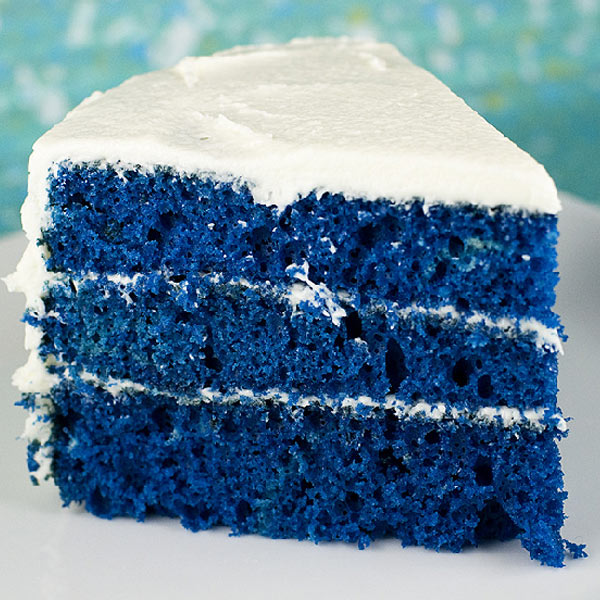
Custom Branding & Packaging Options
One of the most appealing aspects of partnering with blue spirulina manufacturers in India is the flexibility they offer in custom branding and packaging. Private label manufacturers understand that in the competitive nutraceutical market, product presentation is as important as quality. They provide businesses with the ability to create unique brand identities, from personalized logos and labels to tailored packaging designs that resonate with their target audience.
Manufacturers typically offer a range of packaging formats—powder pouches, capsules, tablets, and sachets—allowing brands to cater to diverse consumer preferences. Beyond aesthetics, they also ensure packaging complies with safety, shelf-life, and regulatory standards, giving companies confidence that their products are market-ready. This customization empowers businesses to differentiate their offerings, build brand loyalty, and create a premium perception in the growing health and wellness segment.
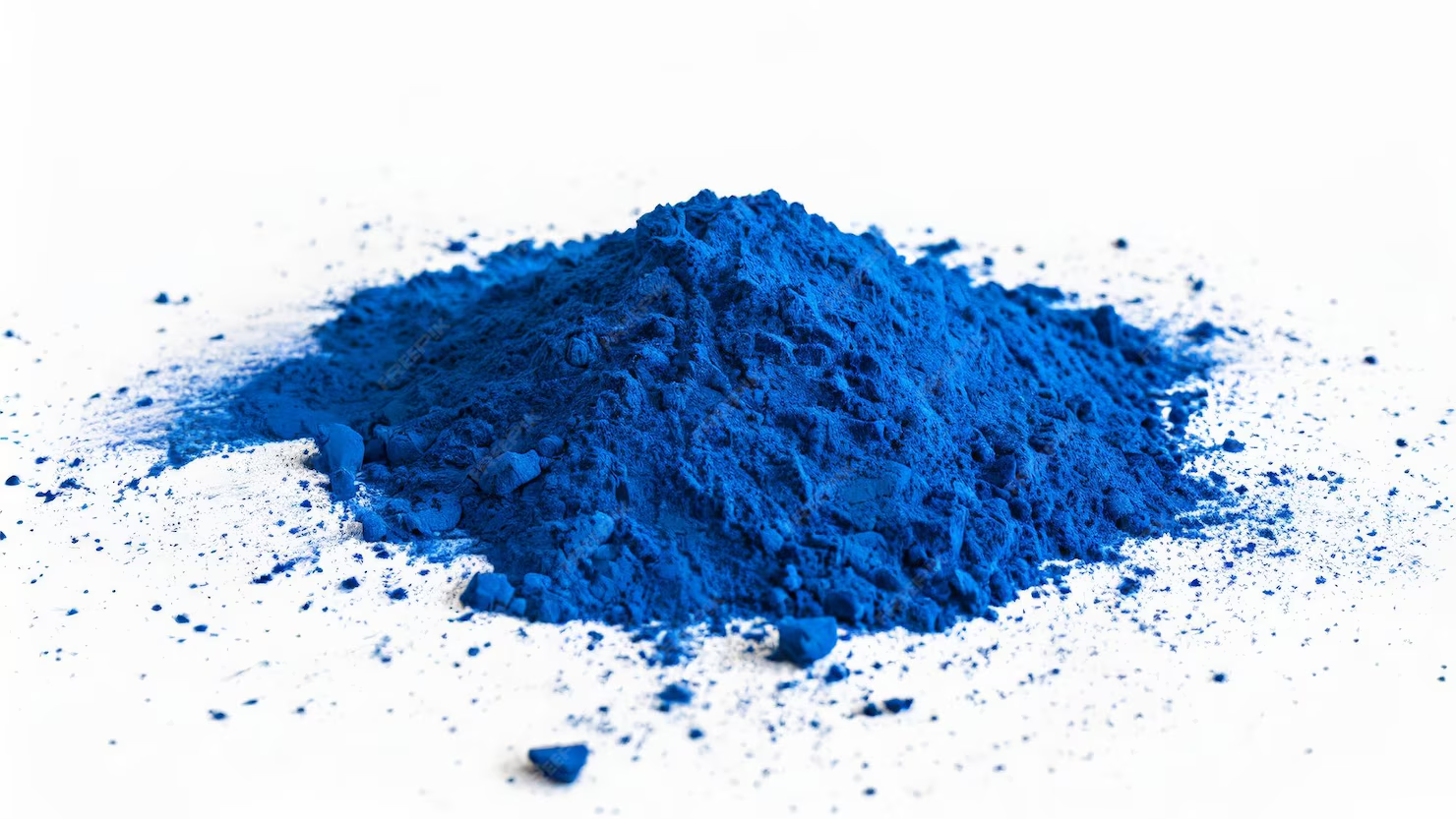
Formulation Support from Manufacturers
One of the key advantages of partnering with blue spirulina manufacturers in India is the comprehensive formulation support they offer. Many manufacturers go beyond simply supplying the raw ingredient—they assist brands in creating customized nutraceutical products that meet specific market needs. This includes guidance on dosage forms such as powders, capsules, tablets, or beverages, ensuring optimal stability, bioavailability, and taste.
MOQ Requirements for Private Labels
When entering the private label nutraceutical market, understanding the Minimum Order Quantity (MOQ) is crucial. MOQ refers to the smallest quantity of a product that a manufacturer is willing to produce under a private label agreement. For blue spirulina, MOQs can vary significantly depending on factors such as the manufacturer’s production capacity, packaging type, and product formulation.
Typically, Indian blue spirulina manufacturers set MOQs to balance production efficiency and cost-effectiveness. For startups or small businesses, some manufacturers offer flexible MOQs starting from 1–5 kilograms for powdered spirulina or smaller quantities for capsules and tablets. Larger brands or bulk orders may face higher MOQs ranging from 10–50 kilograms or more, especially for customized formulations or branded packaging.
Regulatory Support & Documentation
Entering the nutraceutical market, especially with branded products, requires strict adherence to regulatory standards to ensure safety, quality, and consumer trust. Blue spirulina manufacturers in India provide comprehensive regulatory support to private label partners, helping them navigate the complex framework of certifications and approvals. This includes guidance on FSSAI (Food Safety and Standards Authority of India) compliance for domestic distribution, as well as assistance with international certifications such as ISO, GMP (Good Manufacturing Practices), and organic certifications for export markets.
Manufacturers also supply detailed documentation, including Certificates of Analysis (CoA), batch testing reports, ingredient sourcing details, and stability studies. These documents not only validate product quality but also simplify the process for private label businesses to meet regulatory requirements in different countries. By leveraging the regulatory expertise of Indian manufacturers, brands can confidently launch blue spirulina products under their own label, ensuring compliance, consumer safety, and market credibility from day one.
Regulatory Support & Documentation
For any brand looking to make its mark in the nutraceutical market, quality assurance is not just a requirement—it’s a promise to the consumer. When it comes to blue spirulina, maintaining consistent quality is crucial, as it directly affects the product’s potency, color, and overall efficacy. Leading blue spirulina manufacturers in India follow stringent quality control protocols, including careful selection of raw materials, controlled cultivation conditions, and advanced extraction techniques to preserve the nutrient profile, especially the active compound phycocyanin.
Export-Ready Private Label Solutions
India’s blue spirulina manufacturers not only cater to domestic demand but also provide robust solutions for businesses aiming to enter global markets. With stringent quality control, adherence to international certifications such as GMP, ISO, and organic standards, and advanced extraction and packaging technologies, Indian manufacturers ensure that private label products are export-ready from day one.
These solutions enable brands to offer nutraceutical ingredients that meet the regulatory and consumer expectations of regions like North America, Europe, and the Middle East. Companies can choose from customized formulations, unique packaging designs, and even fortified blends, all while leveraging the cost efficiencies of Indian production. By partnering with experienced blue spirulina manufacturers, brands can seamlessly expand their international presence, reduce time-to-market, and maintain consistent quality—key factors in building trust and recognition in competitive nutraceutical markets.
Market Opportunities for New Brands
The global nutraceutical market is rapidly expanding, and new brands have a unique chance to capitalize on this growth by offering innovative, high-quality products. Blue spirulina, with its vibrant color, antioxidant properties, and natural health benefits, is increasingly becoming a preferred ingredient for functional foods, beverages, dietary supplements, and skincare products.
For new brands, private labeling blue spirulina from Indian manufacturers offers several strategic advantages:
Quick Market Entry: By sourcing from established manufacturers, brands can avoid the complexities of cultivation and extraction, allowing them to launch products faster.
Premium Product Positioning: Blue spirulina is associated with health-conscious and lifestyle-oriented consumers. New brands can leverage this perception to position themselves as premium and trustworthy.