
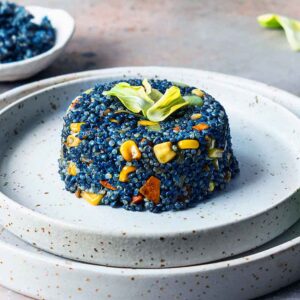
Overview of Blue Spirulina Market and India’s Role
Blue spirulina — a natural, vibrant blue pigment derived from the microalgae Arthrospira platensis — has rapidly evolved from a niche ingredient to a high-growth segment within the global functional ingredients market. It is prized not only for its striking color but also for its rich nutritional profile, including proteins, antioxidants, and phycocyanin, which drives demand across food and beverage, nutraceuticals, cosmetics, and dietary supplements. This shift toward natural and clean-label ingredients has been a key driver of market growth worldwide.
India has emerged as a significant player in this expanding landscape, leveraging its favorable agro-climatic conditions, cost-competitive production capabilities, and growing agritech infrastructure to cultivate and process spirulina at scale. Indian producers have increasingly focused on blue spirulina and phycocyanin extracts, positioning the country as a reliable supplier for both domestic and global markets. The nation’s spirulina industry is supported by rising health awareness, an expanding functional food sector, and strategic export initiatives that are enhancing its global presence.
In recent years, Indian manufacturers have invested in sustainable cultivation methods and quality-certified production to meet stringent international standards, helping the country play a more prominent role in the global blue spirulina supply chain.
What Is Blue Spirulina (Phycocyanin)?
Blue spirulina is a natural blue ingredient extracted from the microalgae Arthrospira platensis, commonly known as spirulina. Unlike regular green spirulina powder, blue spirulina is a purified extract that contains phycocyanin—the pigment-protein complex responsible for its bright blue color. Phycocyanin is water-soluble and is valued both for its vibrant hue and its functional health properties. Phycocyanin is not just a colorant; it is a bioactive compound with antioxidant and anti-inflammatory properties. Because of this dual functionality, blue spirulina has gained popularity as a clean-label alternative to synthetic blue dyes, especially in food, beverage, nutraceutical, and cosmetic applications. It delivers a visually appealing blue shade while aligning with the growing consumer demand for natural and plant-based ingredients. The production of blue spirulina involves carefully cultivating spirulina under controlled conditions, followed by extraction and purification processes that isolate phycocyanin while removing the green chlorophyll pigments. The result is a bright blue powder or liquid extract that is odorless, mild in taste, and easy to incorporate into formulations such as smoothies, confectionery, ice creams, beverages, dietary supplements, and skincare products. With increasing awareness about artificial color additives and a global shift toward natural nutrition, blue spirulina (phycocyanin) has become one of the most sought-after natural blue pigments in the market. Its versatility, safety, and health-supporting properties make it a key ingredient driving innovation across multiple industries.
Difference Between Green & Blue Spirulina
Spirulina has gained global recognition as a nutrient-dense superfood, but many people are unaware that it comes in two distinct forms: Green Spirulina and Blue Spirulina. While both originate from the same microalgae (Arthrospira platensis), they differ significantly in composition, appearance, processing, and applications. Understanding these differences helps consumers and businesses choose the right form for their needs.
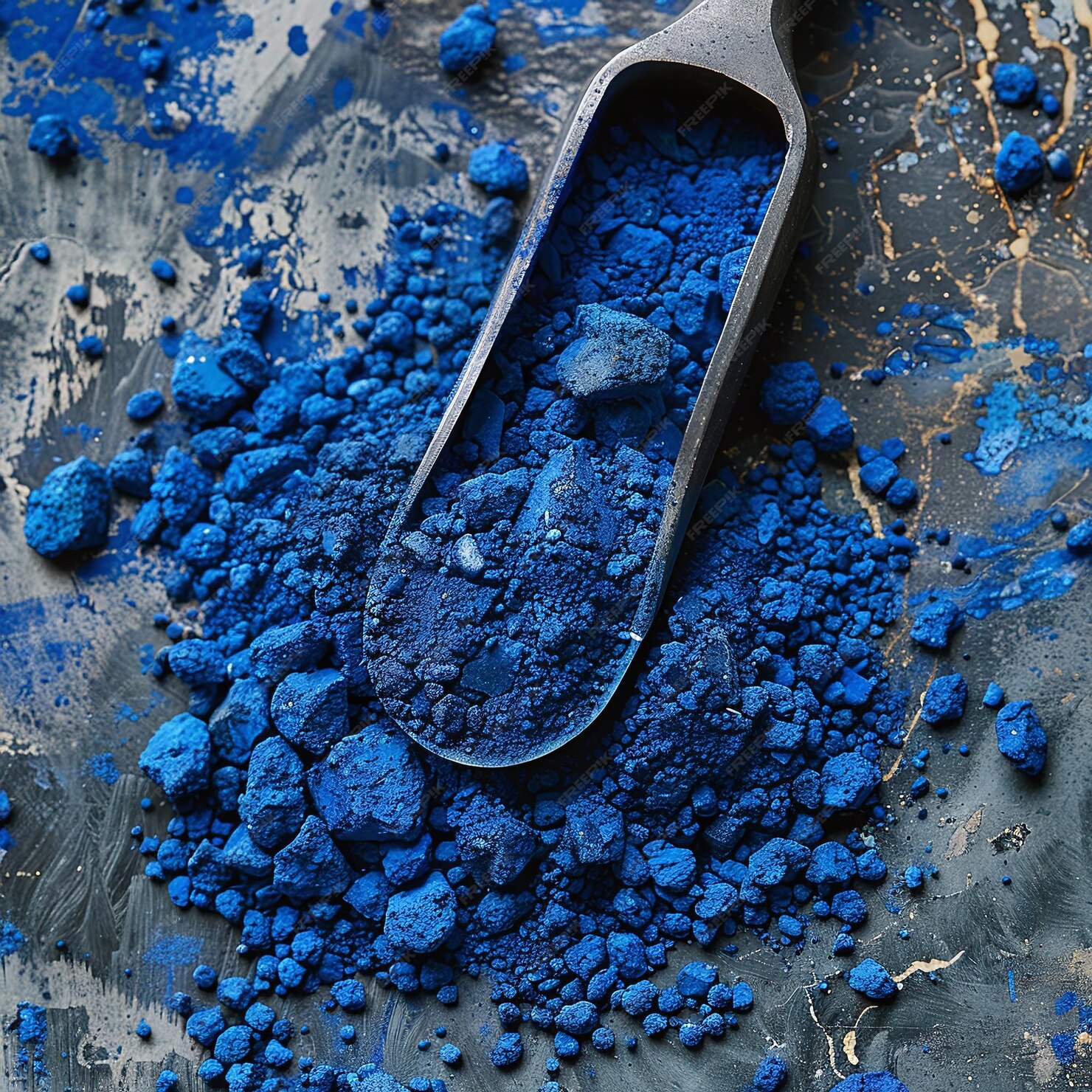
What Is Green Spirulina?
Green spirulina is the whole, dried spirulina biomass, typically available in powder or tablet form. Its green color comes from a combination of natural pigments, including chlorophyll, phycocyanin, and carotenoids.
Key characteristics:
Contains the entire nutritional profile of spirulina
Rich in protein (up to 60–70%), vitamins, minerals, and antioxidants
Strong earthy or marine-like taste
Commonly used in dietary supplements, smoothies, and health foods
Green spirulina is valued for its overall nutritional benefits rather than its visual appeal.
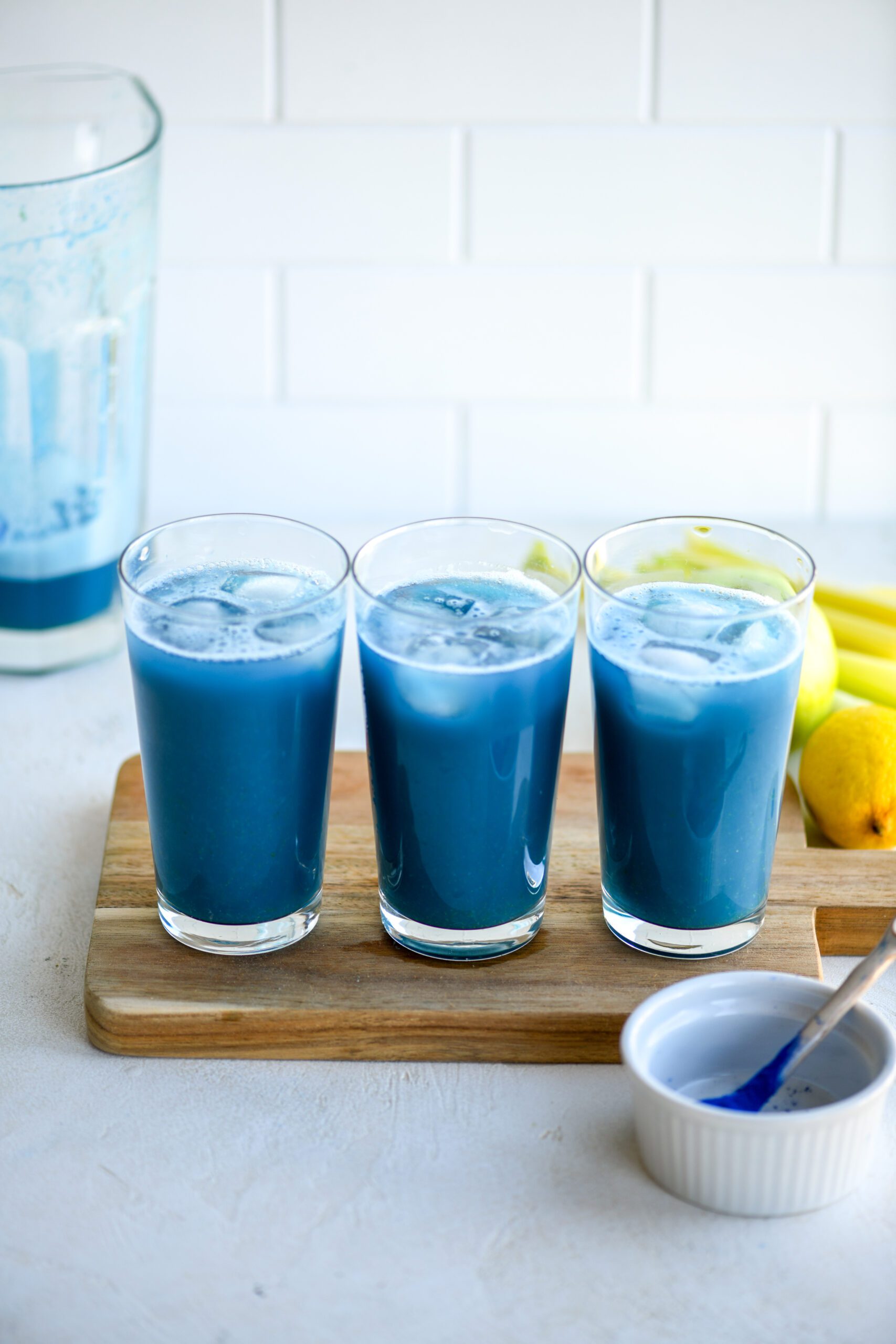
What Is Blue Spirulina?
Blue spirulina is not a whole algae powder. It is a purified extract of phycocyanin, the blue pigment found in spirulina. Through filtration and extraction, other components like chlorophyll are removed, leaving behind a bright blue, water-soluble compound.
Key characteristics:
Vibrant blue color
Neutral taste and odor
Lower protein content compared to green spirulina
High antioxidant and anti-inflammatory properties
Widely used as a natural blue food colorant
Blue spirulina is especially popular in clean-label food and beverage formulations.
Why India Is Ideal for Spirulina Manufacturing
India offers a unique combination of natural, economic, and policy advantages that make it an ideal destination for spirulina cultivation and manufacturing. These factors enable manufacturers to produce high-quality spirulina and derivatives (like blue spirulina and phycocyanin) efficiently and competitively for both domestic and global markets.
1. Favorable Climate and Geography
India’s tropical and subtropical climate supports year-round spirulina cultivation. The microalgae thrive in warm temperatures and abundant sunlight, which are essential for optimal photosynthesis and growth, reducing dependency on artificial heating systems and lowering energy costs. Regions like Tamil Nadu, Andhra Pradesh, and Karnataka are particularly well-suited due to their consistent sunshine and warm conditions throughout the year.
2. Cost-Effective Production
Compared to many other spirulina-producing countries, India benefits from lower labor and operational costs. Affordable farm labor, competitive input prices, and the ability to utilize open pond systems contribute to cost-efficient cultivation and processing. This cost advantage allows Indian manufacturers to offer spirulina products at competitive prices in global markets.
History of Spirulina Cultivation in India
The journey of spirulina cultivation in India began in the late 1970s and early 1980s, when research institutions recognized the cyanobacterium’s potential as a nutritious and sustainable food source. As part of the All India Coordinated Project on Algae started in 1976, scientists initially worked on various algae species before selecting spirulina for its high protein content and adaptability to Indian climatic conditions.
One of the earliest milestones was set by the A.M.M. Murugappa Chettiar Research Centre (MCRC) in Tamil Nadu, which pioneered spirulina production technology and established pilot and semi-commercial cultivation units in the early 1980s. These efforts helped transition spirulina from a research concept to a practical cultivation model within India.
In 1991, the Indian government and research bodies conducted one of the world’s largest spirulina nutrition programs, involving thousands of children who consumed spirulina as part of nutritional intervention studies. The program demonstrated spirulina’s role in improving vitamin A and protein intake, reinforcing the value of local production and consumption.
During this early phase, Indian scientists also developed quality standards and processing methods, enabling the establishment of the first indigenous spirulina production facilities and gaining recognition for novel technologies in cultivation and downstream processing.
Since then, spirulina cultivation in India has expanded beyond research centres into commercial farms and community projects, with growing interest from entrepreneurs, farmers, and government programs focused on nutrition, rural empowerment, and sustainable agriculture. Today, India is both a significant producer and an exporter of spirulina biomass and derived products, reflecting decades of evolving expertise in cultivation and commercialization. (general synthesis based on cited sources)
Key Regions for Blue Spirulina Production
The cultivation and production of blue spirulina, a high-value microalgae rich in phycocyanin, occur across several geographic regions globally. These regions benefit from favorable climatic conditions, established aquaculture infrastructure, and supportive industry ecosystems that make large-scale spirulina cultivation viable.
1. Asia-Pacific (Leading Production Hub)
The Asia-Pacific region is the dominant global center for spirulina and blue spirulina production, thanks to tropical to subtropical climates, abundant sunlight, and cost-effective labor. Countries in this region collectively account for a large share of global output: China, India, Japan, and Thailand are the major contributors.
China: China is the largest global producer of spirulina biomass, with major cultivation concentrated in provinces like Yunnan, Hainan Island, and Inner Mongolia. These areas offer ideal growth conditions and infrastructure for open-pond cultivation and extract processing.
India: India has emerged as a significant producer with commercial cultivation clusters in states like Tamil Nadu, Odisha, Andhra Pradesh, and Maharashtra. Indian producers not only supply the domestic market but also export spirulina products internationally.
Japan & Thailand: These countries support both local production and innovation in spirulina extracts, with Japan particularly active in high-quality food-grade products and Thailand operating medium-sized farms.
The Asia-Pacific dominance in blue spirulina is also reflected in market value, with this region accounting for a substantial portion of global sales due to high consumption and strong production bases.
2. North America
North America, especially the United States, is a key market for blue spirulina, driven by high consumer demand, advanced food technology sectors, and a robust nutraceutical industry. While the region’s production capacity is smaller compared to Asia-Pacific, it plays a significant role in value-added extracts and product innovations for health supplements and clean-label formulations.
3. Europe
Europe hosts several spirulina production sites, mainly utilizing controlled cultivation systems to meet strict food-safety and certification standards. Countries such as Germany, France, and Italy are notable centers where blue spirulina is cultivated or processed into high-quality ingredients for the food and cosmetics industries.
Manufacturing Infrastructure in India
India’s manufacturing infrastructure for blue spirulina and related phycocyanin extraction reflects a mix of traditional cultivation systems, emerging pilot projects, and increasingly formalized processing units designed to meet both domestic and international demand.
1. Cultivation Systems and Facilities
The backbone of blue spirulina production lies in its cultivation infrastructure, which typically comprises open ponds and, increasingly, more controlled systems like photobioreactors. Traditional open-raceway ponds remain widespread due to lower capital costs and suitability to India’s warm climate, but they require careful monitoring of pH, nutrient balance, and contamination control to ensure high-quality biomass. Photobioreactors and semi-closed systems, though costlier, are gaining interest for premium and export-grade production due to better control of growth conditions and purity.
2. Production and Processing Units
Prominent producers such as Parry Nutraceuticals have established vertically integrated production systems in India that manage cultivation, harvesting, drying, and downstream extraction of high-purity phycocyanin. These facilities often include food-grade filtration, controlled drying technologies, and quality assurance labs to maintain consistent product standards for nutraceutical and food-grade outputs.
Role of Technology in Extraction
Advanced extraction technology plays a critical role in determining the quality, purity, and stability of blue spirulina, particularly its key active compound, phycocyanin. As global demand rises for natural blue colorants and functional ingredients, manufacturers in India are increasingly adopting modern, precision-driven extraction methods to meet international quality standards.
Traditional spirulina processing methods often focused on drying and powder production, which limited pigment recovery and caused nutrient degradation. In contrast, today’s blue spirulina extraction relies on controlled cell disruption techniques such as high-pressure homogenization, enzymatic treatment, and ultrasonic extraction. These technologies efficiently break the microalgal cell walls, allowing maximum release of phycocyanin while preserving its antioxidant properties and vivid blue hue.
Temperature-controlled and solvent-free aqueous extraction systems are now widely used by Indian manufacturers to ensure food-grade safety and clean-label compliance. Precision filtration technologies, including membrane filtration and centrifugation, help remove impurities and concentrate phycocyanin without compromising molecular integrity. This technological shift significantly improves yield consistency and color strength, making Indian blue spirulina competitive in global markets.
Domestic Market Demand for Blue Spirulina in India
The domestic market demand for blue spirulina in India is growing strongly, driven by a combination of changing consumer preferences, broader health trends, and expanding product applications:
1. Rising Health & Wellness Awareness:
Indian consumers — particularly in urban centers — are increasingly valuing natural, nutrient-dense supplements. Spirulina’s high protein content, antioxidant properties, and perceived health benefits have led to stronger adoption as a dietary supplement and functional health ingredient. This trend is reflected in broader growth across the nutraceutical and superfood segments within India’s health market.
2. Expanding Functional Food Sector:
Beyond traditional capsules and powders, spirulina — especially blue spirulina with phycocyanin — is being incorporated into functional foods, beverages, and fortified products. This diversification increases appeal among consumers seeking both health benefits and clean label ingredients (e.g., smoothies, health drinks, snack bars).
Export Market Growth
The export market for blue spirulina and related products (notably phycocyanin extracts and spirulina powder) has been witnessing significant expansion driven by rising global demand for natural, plant-based ingredients. The global spirulina extract market—an important driver of blue spirulina exports—is projected to grow robustly at an approximate CAGR of ~6.8% to 8.7% through the next decade, reflecting increasing adoption across food and beverages, nutraceuticals, cosmetics, and functional foods sectors worldwide.
A key driver of this export momentum is the growing consumer preference for natural alternatives to synthetic additives, particularly in developed regions like North America and Europe, where stringent regulatory views on synthetic colorants are accelerating the uptake of natural blue pigments such as spirulina-derived phycocyanin. Globally, forecasts estimate that the natural blue spirulina market could grow from an estimated valuation in the low hundreds of millions of dollars in the early 2020s to well over that by 2030+, indicating sustained demand and expanding export opportunities.
India’s role in this growing export landscape has strengthened in recent years. Indian spirulina and phycocyanin producers are increasingly exporting to markets across North America, Europe, Japan and Southeast Asia, supported by competitive production costs, improved quality control, and certification programs that align with international standards. According to available trade data, India exports phycocyanin (the blue pigment from spirulina) to multiple countries including the Netherlands, Poland, and the United States, highlighting both diversification of export destinations and rising global demand for Indian supply.
Future Outlook of Blue Spirulina Industry
The blue spirulina industry is poised for strong and sustained growth over the coming decade, driven by a combination of shifting consumer preferences, regulatory momentum, and technological innovation. As clean-label and plant-based trends continue to dominate global food, beverage, and supplement markets, blue spirulina — especially its key pigment phycocyanin — is increasingly valued as a natural alternative to synthetic colorants and functional ingredient with health appeal.
1. Strong Market Expansion and Projections
Market forecasts suggest that the blue spirulina and phycocyanin segments will register robust compound annual growth rates well into the 2030s. For example, the global blue spirulina phycocyanin market is projected to reach substantial valuation by the end of the decade, reflecting expanding adoption across food & beverage, nutraceutical, cosmetic, and wellness product categories.
Asia Pacific — including India — is expected to be one of the fastest-growing regional markets, supported by increasing health awareness, rising incomes, and investments in microalgae cultivation and processing infrastructure.
2. Broader Use-Case Adoption
While blue spirulina initially gained prominence as a natural food colorant, its application scope is broadening rapidly:
Functional foods & beverages: Reformulation of products to replace synthetic dyes and cater to clean-label demands provides a major growth lever.
Nutraceuticals & supplements: Phycocyanin’s antioxidant, anti-inflammatory, and potential health-supporting properties are driving increased use in immunity and wellness products.
Cosmetics & personal care: Natural pigments and bioactive ingredients are highly sought after in organic and premium beauty categories, providing new avenues for blue spirulina ingredients.
What is blue spirulina used for?
Is blue spirulina natural or synthetic?
Why is India a major producer of blue spirulina?
Is Indian blue spirulina export quality?
How long does blue spirulina last?
Algology — microalgae manufacturer & exporter in India
Explore our solutions: Spirulina Manufacturers in India · Blue Spirulina Manufacturers in India · Phycocyanin Manufacturers in India.