
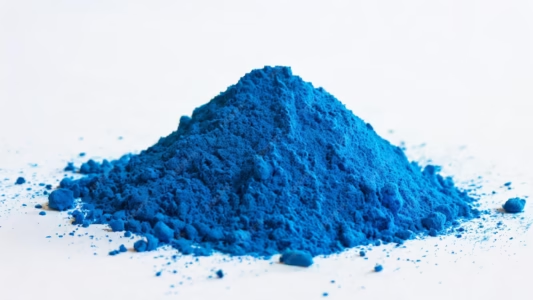
In recent years, Phycocyanin has become one of the most sought-after natural pigments in the nutraceutical, food, and cosmetics industries. Known for its vibrant blue color and strong antioxidant properties, this protein–pigment complex is extracted from Arthrospira platensis—commonly known as Spirulina. As demand rises globally, producers are exploring ways to maximize Phycocyanin yield without compromising quality. One of the most effective methods is organic Spirulina farming, which not only increases pigment concentration but also enhances purity, sustainability, and market value.
This article explores how organic cultivation practices directly impact the quality and quantity of Phycocyanin, making it the preferred approach for premium-grade extract manufacturers.
Understanding Why Phycocyanin Matters
Before diving into farming methods, it helps to understand why Phycocyanin is so valuable: It is a natural blue pigment with applications in beverages, yogurts, gummies, dairy alternatives, and clean-label foods. Its antioxidant and anti-inflammatory properties make it desirable in nutraceuticals. It is used in cosmetics for its skin-calming and anti-aging benefits. The global shift towards synthetic dye alternatives has further boosted its use. The challenge, however, lies in producing high-purity Phycocyanin at scale—something organic Spirulina farms excel at.
1. Organic Nutrient Sources Enhance Pigment Density
One of the biggest differences between conventional and organic Spirulina farming lies in nutrient input. While conventional farms often use synthetic fertilizers, organic farms rely on naturally derived mineral and nitrogen sources.
How this boosts Phycocyanin:
Organic nutrients release slowly, offering a balanced growth cycle for Spirulina.
Reduced chemical stress allows the microalgae to produce higher concentrations of Phycocyanin.
Clean and natural nutrient profiles ensure higher purity levels during extraction, as there are no fertilizer residues to remove.
Organic media has been shown to improve chlorophyll, protein, and particularly Phycocyanin content compared with synthetic alternatives.
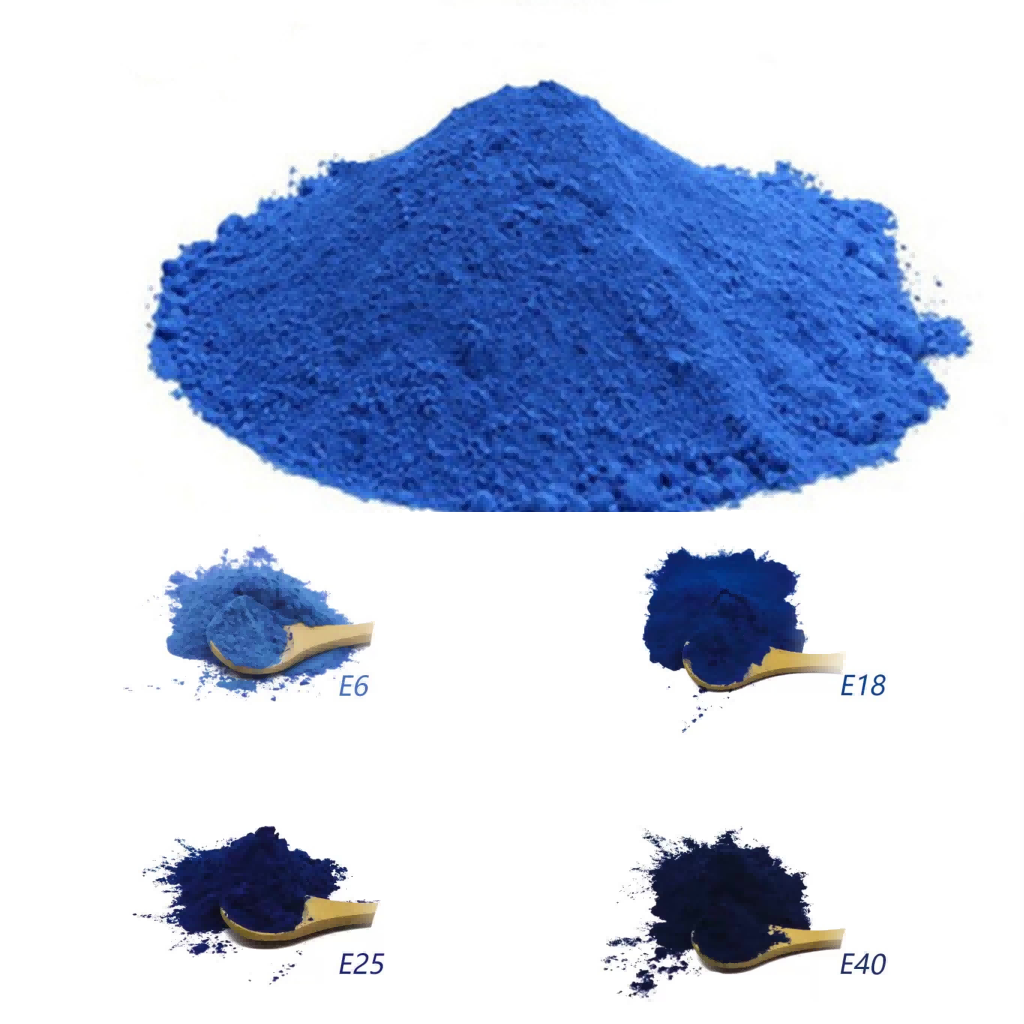
2. Cleaner Water Leads to Higher Purity Phycocyanin
Water quality plays a crucial role in Spirulina’s pigment production. Organic farms adhere to strict water purity regulations.
Benefits:
Low heavy metals = safer and purer Phycocyanin extract.
Fewer contaminants = simpler filtration and higher extraction efficiency.
Stable pH and mineral balance help Spirulina produce more vibrant pigment proteins.
Clean water is one of the main reasons organic farms achieve premium-grade Phycocyanin suitable for food, pharma, and cosmetic applications.
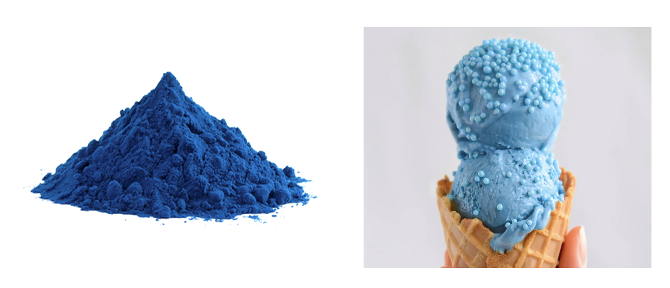
3. Sunlight-Based Farming Increases Natural Pigment Expression
Spirulina thrives in warm climates with high sunlight exposure. Organic farms typically use open raceway ponds or greenhouse systems, relying more on natural sunlight than artificial lighting.
Why sunlight matters:
Sunlight stimulates the photosynthetic complexes that produce Phycocyanin.
Natural light cycles reduce stress and allow the microalgae to grow uniformly.
UV-rich environments trigger Spirulina’s response to produce more photoprotective pigments, including Phycocyanin.
Farms that optimize light exposure often report higher pigment yield per biomass.
4. Organic Farming Avoids Chemical Stress That Lowers Phycocyanin Levels
Chemical pesticides, synthetic anti-fungal agents, and disinfectants may keep contaminants away—but they also disrupt Spirulina’s metabolic pathways.
Organic systems avoid these substances entirely.
Impact on Phycocyanin:
Spirulina grows under minimal stress, encouraging higher pigment synthesis.
No harmful residues = cleaner extract with higher solubility.
Organic cells maintain better structural integrity, improving extraction efficiency.
This is crucial because Phycocyanin is a delicate, heat-sensitive, water-soluble pigment.
5. Biodiverse & Sustainable Farming Improves Long-Term Pigment Quality
Organic Spirulina farms often incorporate biodiversity practices like:
crop rotation with other algae species
natural microbial enrichment
eco-friendly waste recycling
reduced water turnover
These ecological systems improve Spirulina health and lead to stronger, high-pigment biomass.
Why this matters for Phycocyanin:
Rich microbial ecosystems help Spirulina absorb nutrients efficiently.
Stable ponds produce more consistent pigment profiles.
Reduced environmental stress preserves high Phycocyanin stability within cells.
6. Organic Post-Harvest Handling Preserves Phycocyanin
Phycocyanin is highly sensitive to heat, pH extremes, and oxidation. Organic farms follow gentle, low-intervention handling practices:
cold-water washing
low-temperature spray drying or freeze drying
minimal chemical contact
natural filtration systems
As a result, the Phycocyanin extracted retains better color intensity, stability, and antioxidant activity.
7. Higher Market Value for Organic Phycocyanin
With the clean-label movement in full swing, brands increasingly prefer organic-certified ingredients. Organic Phycocyanin commands a premium because it guarantees:
non-GMO, pesticide-free production
cleaner sensory profile
superior color strength
compliance with global food safety standards
For manufacturers, the increased yield and purity offered by organic farming translates directly into higher profitability.
Conclusion
Organic Spirulina farming is emerging as the most effective way to enhance both the yield and quality of Phycocyanin. By focusing on clean inputs, natural sunlight, sustainable water management, and gentle processing techniques, organic farms produce biomass that is richer in pigment and easier to extract. As demand for natural blue ingredients continues to rise, organic farming stands out not just as a sustainable choice—but as a strategic advantage for producers looking to deliver premium-grade Phycocyanin to the global market.
Algology — microalgae manufacturer & exporter in India
Explore our solutions: Spirulina Manufacturers in India · Blue Spirulina Manufacturers in India · Phycocyanin Manufacturers in India.