
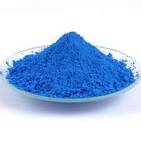
Clean-label products are no longer a trend—they are the new standard. Today’s consumers want ingredient lists that are short, transparent, and free from artificial additives. Among the natural ingredients rising to prominence in food innovation, Phycocyanin stands out as a powerhouse. Extracted from Spirulina platensis, this brilliant blue pigment is transforming bakery and beverage formulations worldwide.
In this blog, we explore how Phycocyanin elevates clean-label bakery and beverage products, why it’s the preferred natural blue colorant today, and what formulators should know when working with it.
What Is Phycocyanin?
Phycocyanin is a natural blue protein-pigment found in spirulina, a nutrient-dense blue-green algae. What makes it special is its dual role—both as a functional colorant and as a health-boosting antioxidant. It delivers a vibrant sapphire-blue hue without relying on synthetic dyes like Brilliant Blue (E133), making it ideal for brands targeting “no artificial colors” and “100% natural” claims. Phycocyanin is heat- and pH-sensitive, which means formulators must understand its behavior during processing. But with proper handling, it offers unparalleled brightness and stability for clean-label product development.
Why Phycocyanin Is Perfect for Clean-Label Formulations
1. Naturally Derived Colorant
Being extracted directly from spirulina biomass, Phycocyanin fits perfectly within the clean-label movement. It resonates with consumers seeking plant-based, minimally processed ingredients. Its vivid blue shade allows brands to develop eye-catching foods and beverages—something previously difficult without synthetic dyes.
2. Supports “Better-for-You” Positioning
Phycocyanin is not just a colorant—it has bioactive properties. Scientific studies highlight its antioxidant, anti-inflammatory, and immune-supporting benefits. This makes it a value-added ingredient for functional beverages, protein bars, health drinks, and wellness-focused bakery items.
3. Vegan, Allergen-Free, and Non-GMO
Unlike some artificial colorants or animal-derived pigments, Phycocyanin is naturally vegan, free from major allergens, and non-GMO. Its clean-label credentials help brands attract a wide demographic, including vegans, health-conscious parents, and natural-product shoppers.
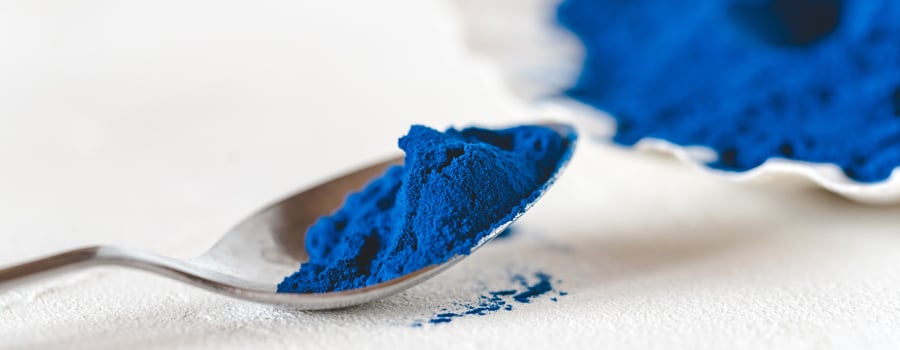
Applications of Phycocyanin in Bakery Products
Using Phycocyanin in bakery formulations requires understanding its thermal sensitivity, as high oven temperatures can degrade the color. However, smart formulation strategies allow bakers to achieve stunning results.
1. Frostings, Icings & Glazes
This is where Phycocyanin shines brightest. Since frostings and glazes are cold-processed, the pigment retains its intense blue hue. Bakers use it in:
cupcake frostings
donut glazes
decorative drizzles
cream fillings
It can also mix with natural reds or yellows to create soft pastels like lavender, teal, or sea-green.
2. No-Bake Bakery Items
Energy balls, raw bars, and refrigerated desserts are ideal candidates for Phycocyanin. These formats maintain full pigment stability, allowing manufacturers to create visually appealing products without artificial colors.
3. Low-Heat Processes
For baked goods that require mild heating—like marshmallows or meringues—it’s possible to incorporate Phycocyanin if the temperature is well-controlled. Microencapsulated versions also offer improved stability for select applications.
Applications of Phycocyanin in Beverages
Compared to bakery, beverages offer even more versatility. Phycocyanin dissolves easily in water, resulting in clear, vibrant blue drinks that consumers love.
1. RTD Functional Drinks
Brands use Phycocyanin to color:
energy drinks
hydration beverages
vitamin shots
gut-health tonics
protein shakes
Its antioxidant profile enhances the product’s functional positioning—a win for marketing.
2. Smoothies & Café Drinks
Smoothie bowls and trendy drinks like blue lattes, ocean mocktails, and botanical iced teas are popular on social media. Phycocyanin’s natural blue elevates visual appeal while maintaining a clean formulation.
3. Powdered Drink Mixes
Phycocyanin-blended powders allow consumers to mix their own blue beverages. Its solubility and purity grades help manufacturers control color intensity and stability.
Regulatory & labeling considerations
Regulatory status varies by market:
In many regions, Phycocyanin from spirulina is accepted as a natural colorant for food and beverages, but local approvals can differ. Always confirm with regulatory counsel for claims and permitted uses in target markets.
Labeling can lean into clean-label friendliness: “Blue spirulina extract (Phycocyanin)” is both transparent and informative.
If you plan to promote antioxidant or protein benefits, ensure substantiation through lab tests and compliance with local health-claim rules.

Stability Factors to Consider
While Phycocyanin offers tremendous benefits, formulators must address a few key considerations:
1. Heat Sensitivity
Prolonged heat above 60–70°C can degrade the pigment. For bakery uses, post-bake incorporation or surface applications work best.
2. pH Sensitivity
Phycocyanin is most stable at neutral pH levels. Acidic recipes (below pH 4.5) may require stabilizers or buffering agents to prevent fading.
3. Light Protection
Exposure to direct sunlight can affect color stability. Using opaque packaging helps maintain vibrancy for beverages.
Why Phycocyanin Is the Future of Clean-Label Innovation
As consumers increasingly choose natural over synthetic, Phycocyanin is becoming a must-have ingredient for formulators. From healthier beverages to visually striking bakery items, its potential is vast.
It aligns with clean-label demands.
It supports functional and wellness claims.
It enables vibrant natural coloration in multiple formats.
With ongoing research and advancements in extraction and stabilization technologies, Phycocyanin will continue shaping the next generation of natural, clean-label foods.
Algology — microalgae manufacturer & exporter in India
Explore our solutions: Spirulina Manufacturers in India · Blue Spirulina Manufacturers in India · Phycocyanin Manufacturers in India.