
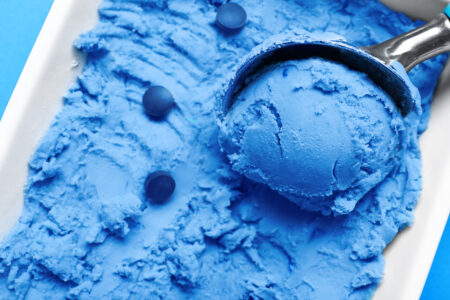
The nutraceutical market is evolving fast, and one of the most exciting developments is the rise of Blue spirulina extract from spirulina. Derived from the blue-green microalga Arthrospira platensis, this pigment-rich concentrate is capturing the attention of supplement manufacturers, formulators, and health-conscious consumers. Why the buzz? Because Blue Extract offers a unique combination of potent bioactive compounds, vivid color, and a sustainability story that aligns with modern brand values.
What is Blue spirulina extract?
Blue Extract refers primarily to concentrated pigments from spirulina, notably phycocyanin — a bright blue protein with powerful biological activity. Unlike synthetic dyes or many single-compound extracts, Blue Extract is a complex, naturally derived ingredient that pairs visual appeal with scientifically promising functionality. It’s commonly standardized for phycocyanin content and may include other microalgal nutrients such as carotenoids, essential fatty acids, and trace minerals.
Nutritional and Therapeutic Potential
Research and early clinical evidence point to several benefits associated with phycocyanin-rich Blue spirulina extract:
Antioxidant activity: Phycocyanin is an efficient scavenger of reactive oxygen species, helping reduce oxidative stress — a root factor in aging and chronic disease.
Anti-inflammatory effects: Multiple studies suggest that phycocyanin modulates inflammatory pathways, which may support joint health, metabolic balance, and recovery from exercise.
Immune modulation: Components of spirulina can support immune system function, making Blue spirulina extract attractive in immunity-focused supplements.
Liver and detox support: Preliminary research indicates protective effects on liver cells, which brands often position as part of detox or wellness formulas.
Cognitive and energy benefits: Some formulations combine Blue spirulina extract with adaptogens or B-vitamins, leveraging its antioxidant and neuroprotective potential to promote focus and sustained energy.
While promising, it’s important to note that more large-scale human trials are needed to confirm many specific claims — nevertheless, ingredient suppliers and small clinical studies provide a credible foundation for cautious, evidence-backed claims.
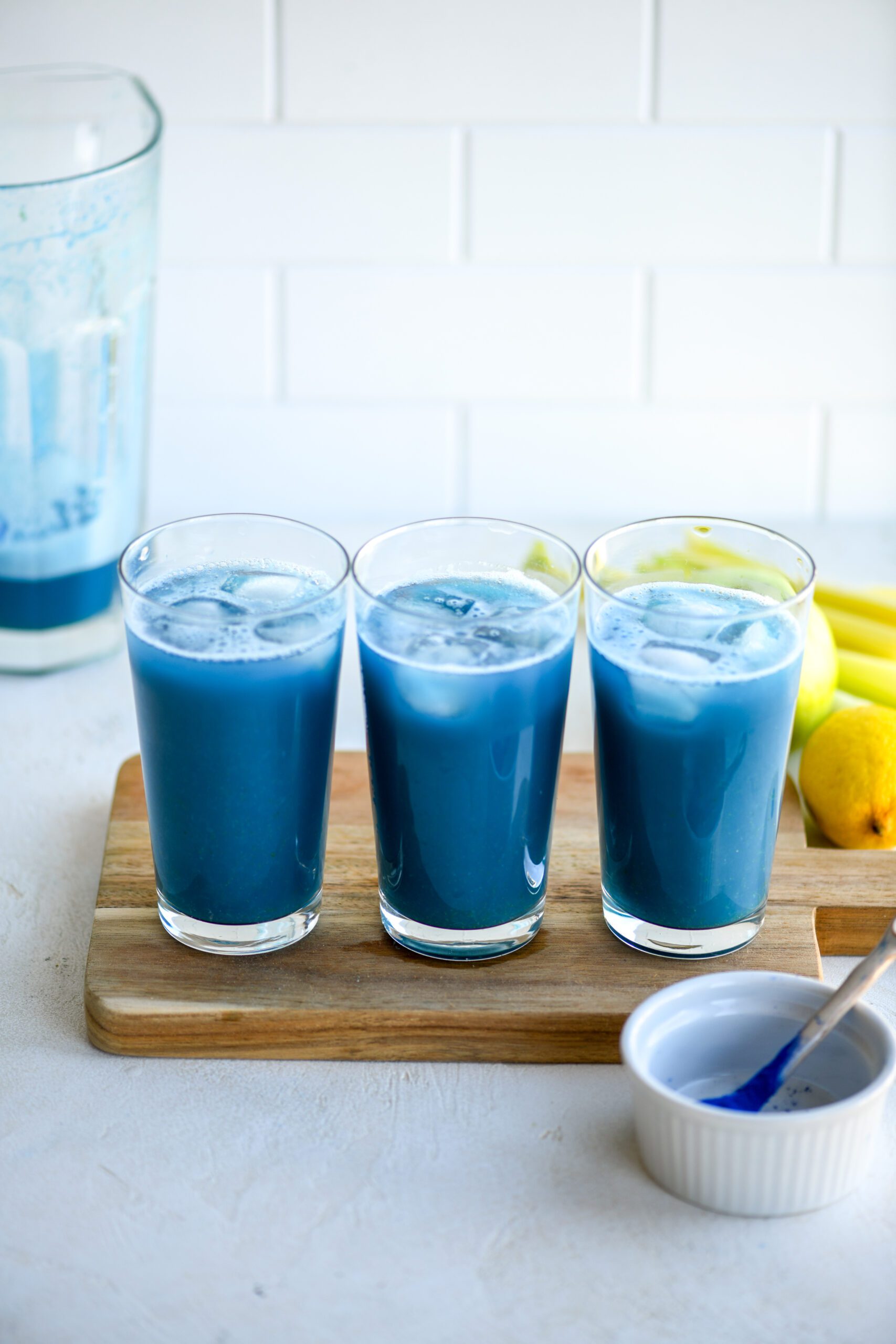
Why Brands Are Embracing Blue spirulina extract
Visual differentiation: The striking blue hue allows clean-label products to stand out without artificial colors. Blue spirulina extract is visually arresting, which helps packaging, social media images, and product storytelling.
Clean-label consumer demand: Modern consumers look for ingredients that are natural and minimally processed. Blue spirulina extract, when produced without harsh solvents and with GMP standards, fits the clean-label trend.
Sustainability credentials: Spirulina cultivation can be highly resource-efficient — fast-growing, low land footprint, and able to be produced in controlled systems — making Blue spirulina extract an attractive ingredient for eco-conscious brands.
Formulation versatility: Blue spirulina extract can be used in powders, capsules, gummies, beverages, and topical formulations (skincare), opening broad product development opportunities.
Formulation Considerations
Formulators should keep a few practical points in mind when working with Blue spirulina extract:
Stability: Phycocyanin is sensitive to heat and some pH conditions, so microencapsulation or careful formulation choices can extend shelf life.
Standardization: Choose suppliers who provide standardized phycocyanin content and third-party testing for contaminants (heavy metals, microcystins) and microbial purity.
Compatibility: The pigment can interact with other actives or colors — testing is essential for multi-ingredient products.
Dosage: Effective dosing ranges vary by application; follow supplier technical guidance and any available clinical data when setting label claims.
Regulatory & Safety Notes
Blue spirulina extract derived from spirulina is generally regarded as safe when produced under quality-controlled conditions. However, regulatory status varies by region: manufacturers must ensure ingredient documentation, GRAS notifications where required, and label compliance for health claims. Also, sourcing from reputable producers reduces contamination risks.
Market Opportunities & Use Cases
Immunity blends that leverage Blue spirulina extract antioxidant and immune-supporting profile.
Energy and focus powders where the visual blue cue signals mental clarity and modernity.
Functional beverages and shots that want natural color without synthetic dyes.
Clean-label gummies and chewables for kids and adults — the color makes them playful yet natural.
Cosmetic and topical serums using phycocyanin’s antioxidant properties for skin health.
Storytelling: Packaging and Marketing Tips
Use the blue color as a visual anchor in brand identity while educating consumers on the natural origin (spirulina) and benefits.
Share supplier transparency: batch testing, farm/growth-system details, and sustainability metrics increase trust.
Pair Blue spirulina extract with trusted co-actives (vitamin C, zinc, adaptogens) to broaden claim appeal while keeping scientific framing conservative and accurate.
Conclusion
The Blue spirulina extract phenomenon is more than a passing aesthetic trend — it’s a convergence of visual appeal, promising science, and sustainable sourcing that aligns well with current nutraceutical market drivers. For brands and formulators, Blue spirulina extract offers a versatile ingredient that can power new product formats and marketing stories. For consumers, it provides a natural, colorful way to access antioxidant, anti-inflammatory, and immune-support benefits. As clinical evidence grows and production technology advances, expect Blue spirulina extract to move from niche novelty to mainstream nutraceutical staple.
Algology — microalgae manufacturer & exporter in India
Explore our solutions: Spirulina Manufacturers in India · Blue Spirulina Manufacturers in India · Phycocyanin Manufacturers in India.