

Blue is a rare and powerful hue in nature — and it’s famously difficult to reproduce in food, cosmetics, and textiles. For decades, manufacturers have leaned on synthetic dyes to achieve vivid blues. But consumer demand, regulatory pressure, and sustainability goals are pushing brands toward natural alternatives. One natural solution gaining rapid traction is spirulina-derived Blue spirulina extract. This blog explores why brands are switching from synthetic blue colorants to spirulina extract, comparing safety, performance, environmental impact, and brand benefits.
What is spirulina Blue spirulina extract?
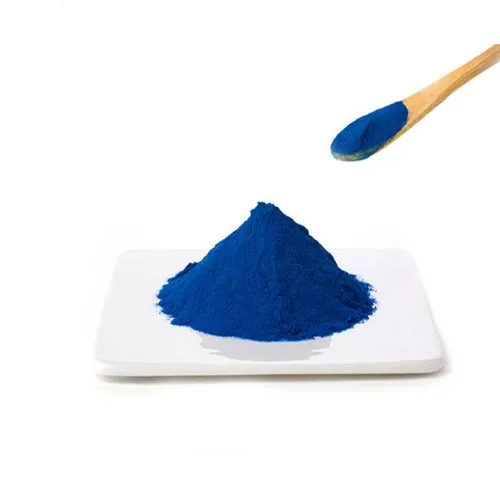
Spirulina is a blue-green microalga rich in pigments called phycocyanins, which produce vibrant blue to turquoise shades. When processed into a concentrated colorant, this pigment is commonly referred to as a Blue Extract. Unlike some natural blues that are dull or unstable, spirulina’s phycocyanin offers surprisingly strong color and functional properties that make it suitable across industries — from beverages and confections to cosmetics and personal care.
Synthetic blues: effective but increasingly problematic
Synthetic blue colorants (e.g., Brilliant Blue FCF or other synthetic dyes) are prized for their intense hue, stability, and low cost. They mix well, have long shelf lives, and can tolerate heat and light in many formulations. However, they come with drawbacks:
Regulatory scrutiny: Some synthetic dyes face bans, restrictions, or mandatory labeling in certain markets due to health concerns or consumer backlash.
Perception and trust: Modern consumers — especially Millennials and Gen Z — are more likely to avoid artificial ingredients and prefer products labeled ‘natural’ or ‘clean’.
Environmental footprint: Synthetic dyes are petrochemical-derived and can generate hazardous waste during manufacture, contributing to pollution.
These factors are motivating brands to evaluate natural alternatives even when synthetic options are cheaper upfront.
Why brands choose spirulina Blue spirulina extract
1. Clean-label appeal
A central reason brands shift to natural colorants is the clean-label movement. Packaging that lists recognizable, natural ingredients resonates with consumers. Using a spirulina-based Blue spirulina extract lets brands market a natural color — a powerful differentiator in crowded categories.
2. Safety and regulatory advantages
Phycocyanin from spirulina has a long history of safe consumption when processed correctly. Because it’s derived from a food-grade microalga, it can simplify compliance in regions that favor natural, plant-based ingredients. This lowers the risk of future regulatory surprises compared with some synthetic dyes.
3. Sustainability credentials
Spirulina cultivation is resource-efficient compared with many agricultural crops and chemical dye manufacturing. It grows rapidly in controlled ponds or bioreactors, requires less land, and can be produced with lower freshwater use depending on the system design. For brands focused on environmental impact, a spirulina Blue Extract supports sustainability storytelling.
4. Functional benefits beyond color
Phycocyanin is not just a pigment — it also has antioxidant properties and potential functional benefits that appeal to health-focused product lines. While color performance varies by application, formulators often find that spirulina-based blue contributes positively to product appeal when balanced correctly with formulation pH and stabilizers.
Limitations and how brands overcome them
Natural colorants are not a drop-in replacement in every case. Challenges with spirulina Blue spirulina extract can include:
Stability: Natural pigments can degrade with heat, light, or extreme pH. Brands mitigate this by optimizing formulation pH, adding natural stabilizers (e.g., certain sugars or citrates), or using protective packaging.
Cost: Natural extracts can be pricier than synthetics. However, when brands factor in marketing value, alignment with consumer preferences, and potential regulatory risk mitigation, the total value often justifies the premium.
Color range: Some formulations require precise shade-matching. Manufacturers often blend spirulina extract with other approved natural colorants (e.g., anthocyanins or carotenoids) to achieve desired tones and depth.
Use cases where spirulina Blue spirulina extract shines
Beverages: Ready-to-drink drinks, sports beverages, and novelty sodas use spirulina extract to create eye-catching blue hues that communicate botanical or health-forward positioning.
Confectionery and ice creams: Spirulina is popular in artisan and premium candies, ice creams, and toppings where clean-label claims add value.
Cosmetics and skincare: Blue toners, eye products, and wash-off formulations often incorporate spirulina extract for both color and the perceived natural, antioxidant benefit.
Supplements: Blue-coated or colored supplements targeting wellness-conscious consumers use spirulina for color and credibility.
What to consider when switching to a Blue spirulina extract
Brands exploring a move to spirulina-based colorants should:
Work with experienced suppliers who provide standardized extracts and stability data for target applications.
Run accelerated shelf-life and stress tests to understand how the color will hold up under heat, light, and pH variations.
Communicate transparently on packaging and marketing — explain that the blue comes from spirulina to harness consumer trust.
Budget for formulation work — natural replacements often need small tweaks in preservatives, emulsifiers, or pH to match the old performance.
Conclusion
The race to natural, sustainable, and consumer-friendly ingredients is reshaping how brands think about color. While synthetic blues remain technically effective and inexpensive, spirulina-derived Blue spirulina extract offers an attractive blend of visual vibrancy, clean-label appeal, sustainability, and functional benefits. For brands that want to align with modern consumer expectations and reduce regulatory and environmental risk, switching to a spirulina Blue spirulina extract is often a smart strategic choice — not just a trend, but a meaningful move toward more responsible product design.
Algology — microalgae manufacturer & exporter in India
Explore our solutions: Spirulina Manufacturers in India · Blue Spirulina Manufacturers in India · Phycocyanin Manufacturers in India.