

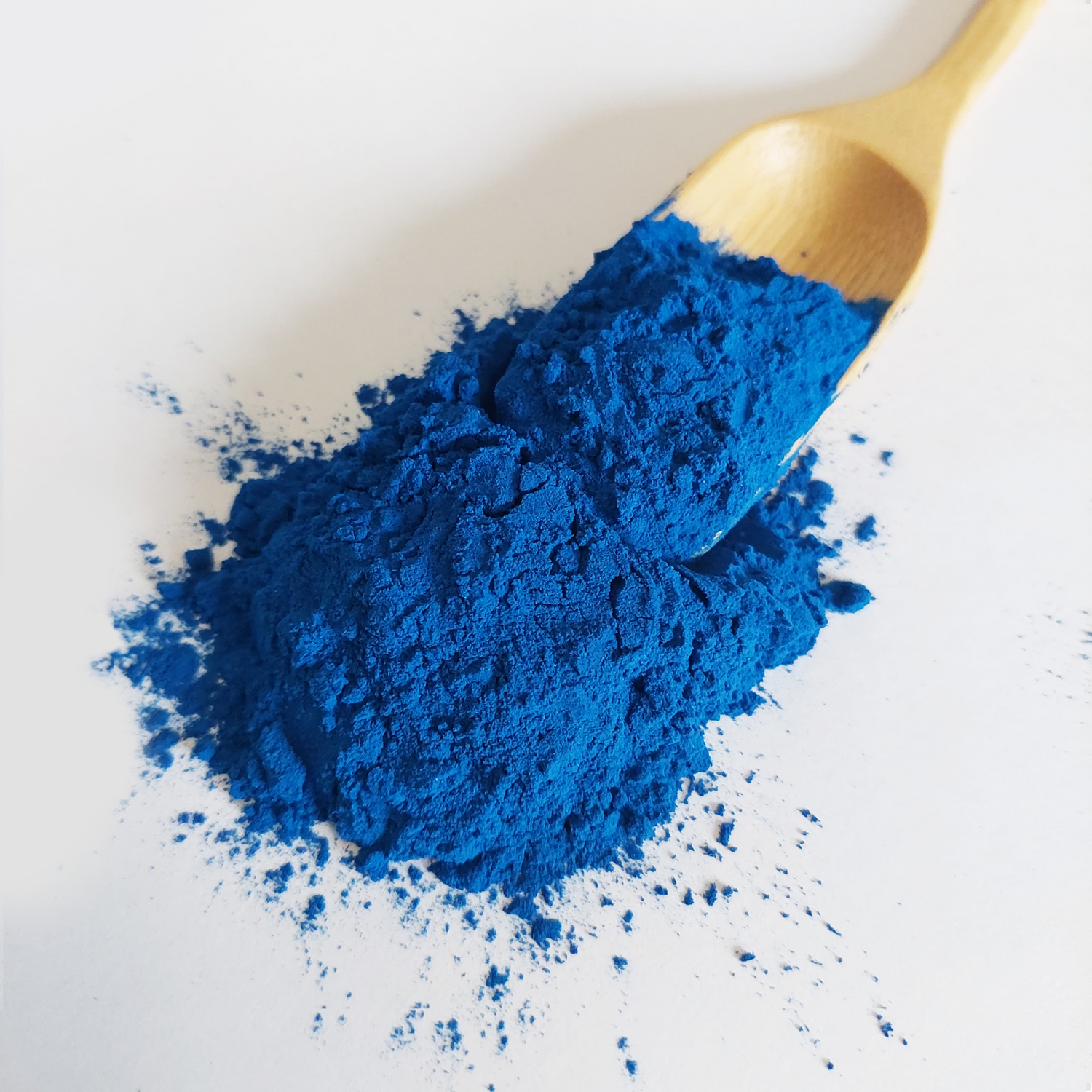
Natural blue pigments are having a moment. As food, beverage, nutraceutical and cosmetics makers shift away from synthetic dyes, phycocyanin — the brilliant blue protein extracted from spirulina and other cyanobacteria — has become the go-to “clean label” solution. Globally, established suppliers in China, Europe and North America have long dominated supply and R&D. But Indian manufacturers are closing the gap fast — and their rise is reshaping the market for what many brands now market simply as “Blue spirulina extract.”
Why phycocyanin (Blue spirulina extract) matters
Phycocyanin offers vivid color plus functional benefits: antioxidant activity, natural origin and label-friendly credentials. That mix makes it desirable not just for blue-colored confections and beverages, but for high-margin segments such as dietary supplements and premium cosmetics. Global market reports show robust growth in demand for phycocyanin, driven by consumer preference for natural ingredients and increasing use across food and supplement categories
Where Indian makers start strong
India’s advantages aren’t accidental. Several structural and market strengths help local producers compete:
Favourable cultivation conditions. Spirulina (the main raw source for phycocyanin) grows well in warm, sunny climates — India’s geography and low-cost land/water options reduce cultivation costs versus cooler regions.
Lower manufacturing costs. Competitive labour, processing and energy costs let Indian suppliers offer attractive price points without necessarily sacrificing quality.
Existing nutraceutical and spice supply chains. Many Indian firms already export herbs, extracts and powders; that logistics experience accelerates scale-up and export readiness.
Growing domestic demand. A rising wellness market in India absorbs volumes (powders, capsules, tablets), allowing manufacturers to reach viable production runs before large export contracts.
What Indian manufacturers are doing differently
To move from being low-cost suppliers to credible global competitors, Indian companies are investing across three fronts:
Quality and standardization. Top Indian producers now emphasize high-purity phycocyanin (often measured as % purity by spectrophotometry), microbe-free processing, and GMP-compliant facilities so their Blue spirulina extract can meet food- and pharma-grade specs required in regulated markets. Trade listings and supplier pages show a growing number offering standardized powder and liquid formats.
Product form innovation. Beyond raw powder, Indian firms supply stabilized extracts, encapsulated phycocyanin, and blends (e.g., blue spirulina powders for instant beverage use). These ready-to-use forms reduce adoption friction for food formulators and supplement brands. Retail listings on Indian marketplaces demonstrate these consumer-ready SKUs already hitting the market.
Export-oriented certifications and partnerships. Companies pursuing ISO, HACCP and EU/US export approvals are becoming common. Partnerships with ingredient distributors in Europe and North America help Indian Blue spirulina extract makers enter shelf-space and co-development projects.
Real-world examples & supply ecosystem
Directories and supplier portals list multiple Indian firms active in phycocyanin and spirulina-derived products — ranging from small organic spirulina farms to larger extract processors and private-label manufacturers. Some suppliers focus on B2B bulk pigment sales, while others sell finished health-product SKUs domestically and on e-commerce platforms. This diversity lets India serve both commodity and specialty segments in the Blue spirulina extract market.
Challenges India must navigate
Competing globally isn’t automatic. Indian producers still face hurdles:
Consistency & purity at scale. Maintaining high, certified purity consistently across batches is technically demanding and capital intensive.
Stability of the blue pigment. Phycocyanin is sensitive to heat, light and pH; stabilizing it for certain food processes requires formulation know-how.
Perception & branding. Western buyers sometimes prefer long-established brands; Indian suppliers must invest in traceability, third-party testing and transparent supply chains to win trust.
Market volatility. Global demand surges and raw-material (spirulina) seasonality can affect prices and lead times. Market research shows the phycocyanin market is growing rapidly, increasing both opportunity and competition.
The competitive edge: price + agility + specialization
India’s sweet spot is a combination of lower unit costs and nimble productization. For many buyers, a reliable, certified Indian Blue spirulina extract supplier offers comparable performance to established global firms — at better margins. Add to that a growing number of producers who specialize (e.g., ultra-pure extracts for cosmetics, stabilized powders for beverages), and you have a diverse supply base that can quickly respond to new uses and private-label requests.
What brands should look for when sourcing Blue spirulina extract from India
If you’re a product developer or buyer considering Indian suppliers, evaluate:
Purity and analytical certificates (A620/A280 ratios and third-party lab reports).
Stability data for your intended application (pH/heat/light).
Manufacturing certifications (GMP, ISO, HACCP) and export compliance.
Traceability of spirulina source and cultivation practices (organic/chemical inputs).
Customer references or small trial batches before scaling.
Outlook — India as a global phycocyanin hub
The trajectory is clear: as Indian producers professionalize facilities, secure certifications and deepen formulation expertise, they’ll take a larger slice of global Blue spirulina extract demand. For brands seeking cost-effective, scalable, natural blue pigments, India is no longer just an alternative — it’s becoming a first-choice source for high-quality phycocyanin. Market forecasts back that opportunity, projecting steady growth in demand and investment into the phycocyanin value chain.
Algology — microalgae manufacturer & exporter in India
Explore our solutions: Spirulina Manufacturers in India · Blue Spirulina Manufacturers in India · Phycocyanin Manufacturers in India.